Mariama Hamani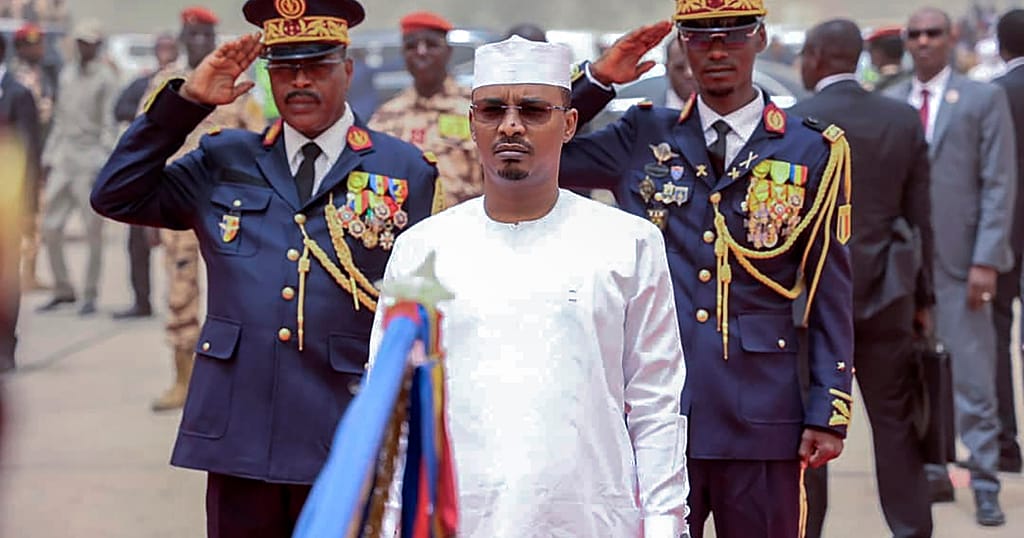
In Chad, the sentencing of eight opposition leaders from the GCAP coalition to eight years in prison on May 8, 2026, has sparked outrage among political figures and civil society. The verdict has intensified concerns about the country’s shrinking political freedoms and the government’s tightening grip on dissent.
While some opposition members anticipated the harsh ruling, many view it as a clear indication of the authorities’ growing intolerance toward political opposition. The legal process surrounding the case has also drawn criticism for failing to meet fair trial standards, further fueling accusations of a politically motivated judiciary.
Alifa Younous Mahamat, European coordinator of the Parti socialiste sans frontière (PSF), condemned the trial’s conditions, calling them a blatant violation of justice. He argued that this conviction is part of a broader pattern of measures designed to silence dissenting voices, including the imprisonment of Succès Masra, the revocation of citizenship for exiled activists, and the 2024 military operation that resulted in the death of PSF leader Yaya Dillo. Additionally, party secretary-general Robert Gam was detained incommunicado for months before fleeing the country.
According to Alifa Younous Mahamat, Chad’s justice system is increasingly being weaponized against political opponents and proponents of democratic change.
Parliamentary opposition voices alarm over systemic repression
Albert Pahimi Padacké, leader of the Rassemblement national des démocrates tchadiens (RNDT) and former Prime Minister, described the ruling as part of a deliberate strategy by the ruling Mouvement patriotique du salut (MPS) to suppress political dissent since the adoption of the Fifth Republic.
He highlighted that the government’s centralization of power reveals its political fragility while instilling fear among opposition figures. Pahimi Padacké himself admitted to fears of arbitrary arrests or legal harassment, emphasizing how these developments are systematically eroding Chad’s democratic space.
The succession of arrests, prosecutions, and restrictions on political movements underscores a troubling trend: a gradual but unmistakable restriction of freedom of expression and political participation in Chad.