Mariama Hamani
Commodity trading giant Gunvor is once again under criminal investigation in Switzerland, this time concerning a substantial oil contract valued at approximately one billion dollars with Gabon. The Federal Public Prosecutor’s Office (MPC) is spearheading the inquiry, scrutinizing the conditions under which the Gabonese crude oil supply agreement was awarded and the financial mechanisms involved. Geneva continues to serve as a global hub for hydrocarbon trading, and several prominent entities within this sector have faced legal repercussions in recent years due to African corruption allegations.
renewed scrutiny on Gabon’s crude oil sales
The contract currently under examination by Swiss investigators pertains to shipments of Gabonese petroleum amounting to nearly one billion dollars, according to publicly available details. Swiss magistrates are working to ascertain whether intermediaries received commissions intended to influence Gabonese authorities in granting the lucrative market deal. Gabon, which ranks as Africa’s twelfth-largest crude producer with an output of around 200,000 barrels per day, remains heavily reliant on these oil sales for its national budget.
The transaction in question dates back to a period when Libreville actively sought to diversify its buyers and rapidly monetize its oil production. So-called pre-financing contracts, where a trader provides upfront funds against future deliveries, have become a common practice in African oil-producing economies, particularly those vulnerable to fluctuating global prices. These inherently opaque arrangements are now increasingly drawing the attention of European and North American regulatory bodies.
gunvor, a repeat offender under swiss judicial scrutiny
For the Geneva-based group, this new case emerges while it is still addressing its historical liabilities in Africa. In 2019, Gunvor was previously fined close to 94 million Swiss francs by the MPC for organizational deficiencies linked to corruption cases in Congo-Brazzaville and Côte d’Ivoire. The company had subsequently committed to reinforcing its internal compliance procedures, driven by pressure from its banking partners and institutional stakeholders.
The recurring nature of these investigations raises questions about the actual effectiveness of the control mechanisms implemented by Gunvor since its previous conviction. Swiss authorities, who were historically criticized for their perceived leniency towards major trading firms, have significantly tightened their enforcement policies. The establishment in 2020 of a corporate criminal liability framework for failing to prevent corruption has expanded the MPC’s investigative scope. The trading sector, which contributes approximately 4% to Switzerland’s GDP, has become a priority area for this stricter punitive approach.
Libreville faces renewed international pressure
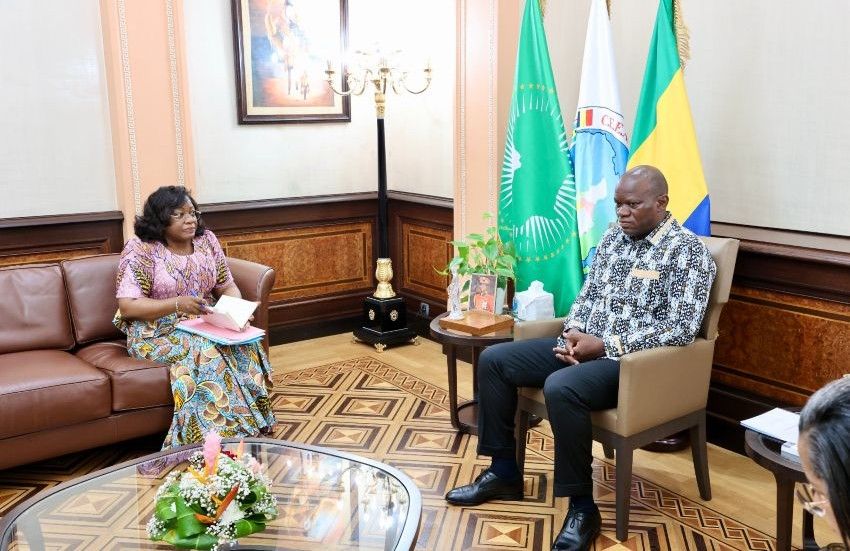
For Gabonese authorities, this development comes at a particularly sensitive juncture. The new administration, which assumed power following the 2023 transition, has made the traceability of oil revenues a cornerstone of its legitimacy. Both the Société Gabonaise de Raffinage and the national company Gabon Oil Company are tasked with clarifying the commercialization channels inherited from the preceding decade. Formal cooperation with Swiss justice, if initiated, could present Libreville with an opportunity to publicly demonstrate a clear break from past practices.
However, the implications extend beyond bilateral relations. The Extractive Industries Transparency Initiative (EITI), which Gabon has rejoined, actively monitors the publication of lifting contracts. Multilateral lenders, including the International Monetary Fund, often condition their support on improved governance within the hydrocarbon sector. Documented allegations against Gabonese intermediaries could therefore influence ongoing discussions regarding a potential new aid program.
Within the Swiss trading community, the repercussions could spread widely. Several of Gunvor’s competitors, already under investigation for similar activities in Angola, Nigeria, or the Republic of Congo, will be closely observing the legal classifications determined by the magistrates. The potential confiscation of illicit profits, which in comparable cases have amounted to tens of millions of dollars, remains a powerful deterrent. The Swiss inquiry is now formally open, and further developments are anticipated in the coming months.


 Boureima Amadou