Mariama Hamani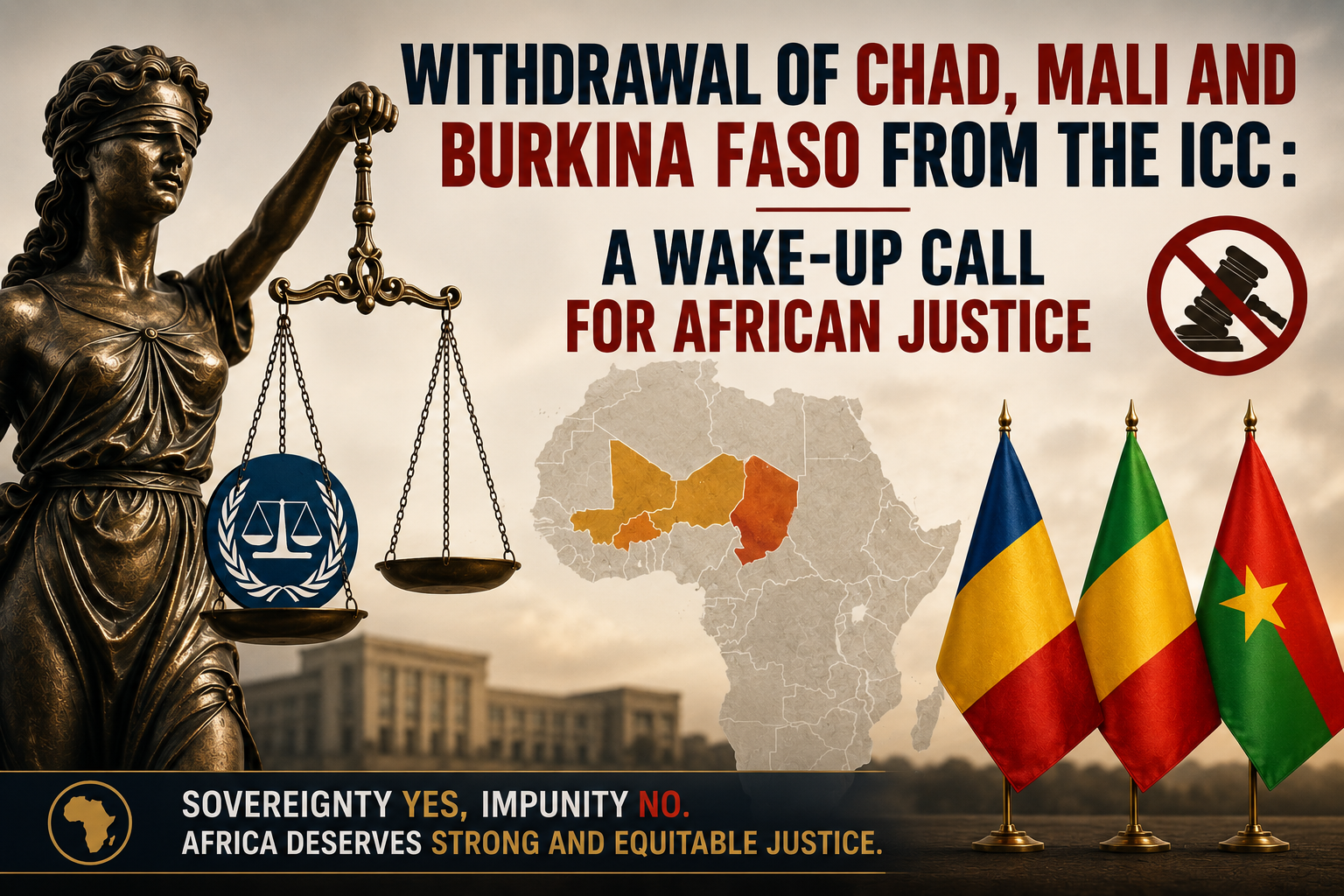
The recent decision by Chad to withdraw from the Rome Statute of the International Criminal Court (ICC) adds to a growing trend in the Sahel region, following similar moves by Mali, Burkina Faso, and Niger. Announced on July 27, 2026, Chad’s withdrawal reflects a broader disillusionment with international judicial mechanisms, citing perceived inefficiencies and what officials describe as a selective application of justice. This development underscores a deeper crisis of confidence between African governments and global judicial institutions.
Beyond Legal Disputes: A Crisis of Trust
The withdrawal from the ICC is not merely a legal maneuver but a symptom of a broader skepticism toward international justice. Governments in the Sahel argue that the Court’s operations particularly its focus on African cases while major global powers remain outside its jurisdiction undermine its credibility. While these concerns are not unfounded, the decision to abandon the ICC without first strengthening national and regional judicial systems raises critical questions about accountability.
Consequences for Victims and the Rule of Law
The ICC serves as a crucial safeguard against impunity for crimes against humanity, war crimes, and other grave violations of international law. Its withdrawal by Sahelian states does not erase these crimes; it merely removes a layer of oversight. Human rights organizations have long documented abuses in the region, including violence against civilians by both armed groups and state-aligned forces. The departure from the ICC risks leaving victims with fewer avenues for justice and reparations, particularly if national courts lack independence and resources.
A functional judicial system must be capable of investigating crimes impartially, protecting witnesses, and ensuring reparations for victims. Without these guarantees, sovereignty risks becoming a shield for perpetrators rather than a mechanism for justice.
The Illusion of Immediate Impunity
While the withdrawal process takes effect one year after notification, it does not absolve states of prior obligations. The ICC retains jurisdiction over crimes committed during the period when the country was a party to the Statute. This legal nuance highlights a critical point: withdrawal does not erase accountability but may weaken future enforcement mechanisms. The real challenge lies in ensuring that perpetrators do not exploit weakened oversight to evade justice.
The Promise and Pitfalls of African Justice
Proponents of withdrawal often advocate for an “African solution” to justice, emphasizing sovereignty and regional alternatives. While the principle of self-reliance is valid, it must be backed by concrete action. The African Union’s past efforts, such as the trial of Hissène Habré, demonstrate that regional mechanisms can work but only if they are independent, well-resourced, and free from political interference.
For this vision to materialize, Sahelian governments must prioritize judicial reform, including the protection of magistrates, witness security, and victim access to courts. Without these measures, the call for “African justice” risks becoming a hollow slogan rather than a tangible reality.
The Danger of Politicized Justice
The timing of these withdrawals coincides with broader political trends in the region, including centralization of power and restrictions on civic freedoms. A credible judicial system cannot be hostage to the whims of ruling elites. If governments withdraw from the ICC under the banner of sovereignty, they must also demonstrate a commitment to justice that transcends political convenience. Otherwise, sovereignty becomes a one-sided tool used to reject external oversight while failing to uphold domestic accountability.
Who Will Protect the Vulnerable?
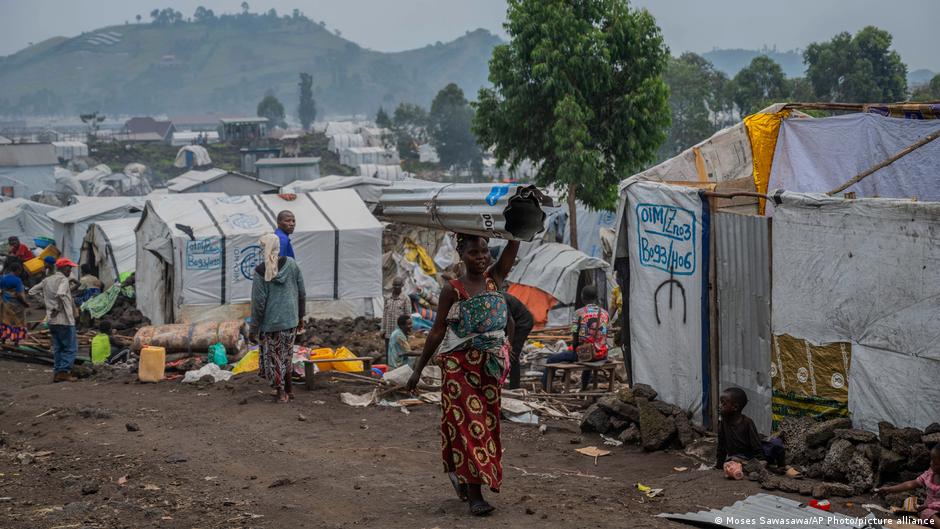
For civilians in conflict zones, the debate over international courts may feel abstract. Families displaced by violence, victims of sexual assault, and communities subjected to war crimes need more than political rhetoric they need justice. The ICC, despite its flaws, provides a vital safety net when national institutions fail or refuse to act. Its gradual disappearance in the Sahel could leave victims with no recourse, emboldening perpetrators who believe they can act with impunity.
A System at Risk of Fragmentation
The ICC itself faces institutional challenges, including leadership crises and international pressure. Each withdrawal further diminishes the Court’s authority, eroding the principle of universal justice. If states abandon international mechanisms whenever they prove inconvenient, the very idea of a rules-based global order weakens. Justice must apply equally not just when it aligns with geopolitical interests.
The Path Forward: Building Credible Alternatives
The withdrawal from the ICC should not be an endpoint but a catalyst for reform. Sahelian governments must now deliver on their promise of a robust, independent judiciary. This requires:
Strengthening national courts with adequate funding and training;
Ensuring magistrates operate without political interference;
Establishing regional mechanisms to address cross-border crimes;
Documenting atrocities systematically to preserve evidence;
Providing reparations and support for victims.
Without these steps, the discourse on sovereignty will ring hollow. True sovereignty lies not in rejecting accountability but in upholding justice for all regardless of power or position.

 Boureima Amadou