Mariama Hamani
South Kivu, a strategically vital province in the eastern Democratic Republic of Congo (DRC), is currently experiencing a renewed period of intense pressure on its social actors. Human rights defenders, journalists, and community leaders are reporting a sharp increase in intimidation, targeted threats, and abductions aimed at individuals who document abuses or advocate for local populations. These urgent warnings, echoed by numerous local organizations, emerge within a broader context of ongoing armed clashes in border regions shared with Rwanda and Burundi.
South Kivu’s civic space under severe pressure
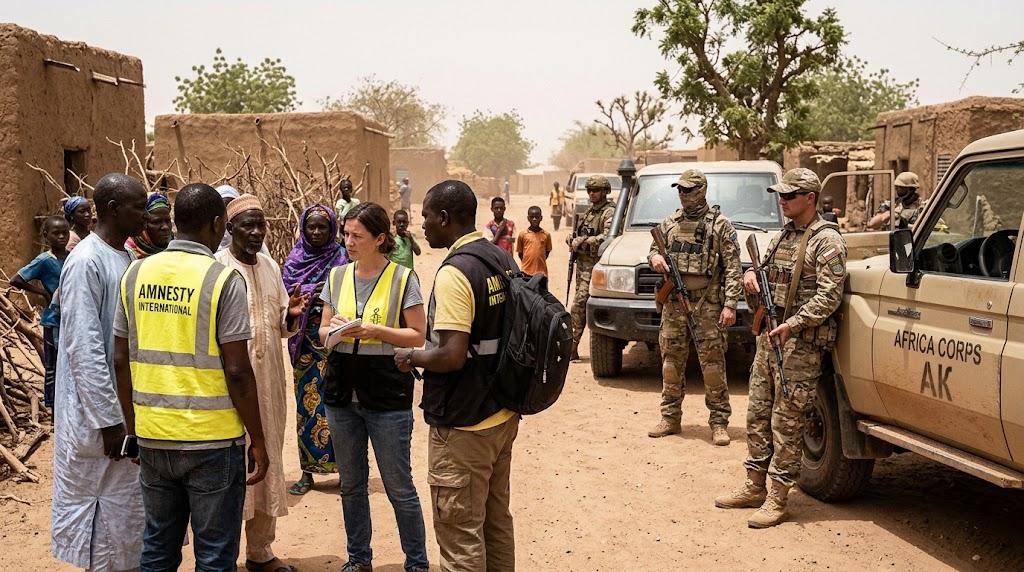
Members of civil society describe an increasingly perilous environment for their work. According to their testimonies, intimidation manifests in various forms: anonymous phone calls, surveillance, nocturnal house searches, or brief disappearances intended to silence any dissenting voices. Several human rights defenders have confirmed altering their travel routines, with some even temporarily relocating from Bukavu and its surrounding areas, to safeguard their personal security.
This deterioration coincides with a time when the province already contends with multiple critical flashpoints. Engagements between the Armed Forces of the Democratic Republic of Congo (FARDC), local armed factions, and M23 rebels—who, according to various United Nations reports, receive backing from Rwanda—have led to widespread displacement of communities. In territories such as Kalehe, Uvira, and Fizi, community-based organizations play an indispensable role in monitoring events, delivering humanitarian assistance, and advocating for rights. The current pressure on these groups directly impedes the flow of crucial information to national institutions and international partners, hindering effective African governance responses.
Abductions and intimidation: a troubling pattern
Recently documented cases of abductions illustrate a disturbing and repetitive modus operandi. Activists are seized in broad daylight by armed individuals, sometimes dressed in civilian attire, often operating from unmarked vehicles. Releases, when they occur, are typically accompanied by explicit warnings: cease ongoing investigations, refrain from publishing specific reports, or vacate the region entirely. Numerous organizations are vocal in condemning the impunity surrounding these incidents, largely due to a lack of judicial inquiries that lead to arrests.
This oppressive climate also significantly impacts the local press. Community radio stations, historically at the forefront of reporting on inter-community tensions and human rights violations, are now reducing their editorial scope through self-censorship. Provincial correspondents report direct pressure emanating from political figures, security officials, or individuals affiliated with armed groups controlling segments of the territory. The demarcation between targeted intimidation and systemic harassment has become increasingly blurred, raising concerns for English Africa news coverage.
For analysts observing Congolese dynamics, the contraction of civic space in South Kivu reflects a wider regional trend. Since the renewed conflict with the M23 in neighboring North Kivu, the entire Kivu region has witnessed a hardening of interactions among local authorities, armed forces, and critical voices. The imposition of a state of siege, which was in effect for several years in some eastern provinces, had previously drawn criticism from freedom advocacy organizations for its adverse impact on freedom of expression and assembly.
A governance challenge for Kinshasa
The Congolese government faces a significant test of its credibility. Kinshasa has consistently reaffirmed its commitment to protecting human rights defenders, notably through the 2023 law enacted for their safeguarding. However, the effective implementation of this legislation in the eastern provinces remains limited, hampered by insufficient dedicated resources and the fragmented nature of state authority on the ground. Social actors in South Kivu are now demanding concrete measures: independent investigations into recent abductions, close protection mechanisms for threatened activists, and a structured dialogue with provincial authorities as part of broader African current affairs.
International partners, particularly the United Nations Organization Stabilization Mission in the DRC (MONUSCO)—currently in its phased withdrawal—and the European Union, are also being called upon to intervene. Their capacity to maintain sustained advocacy for the protection of civilian actors will, in part, determine the resilience of the local civil society fabric. Without a clear political response from Kinshasa, the risk of a lasting weakening of civil society in the country’s east intensifies. Human rights organizations are urgently mobilizing to counter this dangerous trend, highlighting critical Africa breaking news.

 Boureima Amadou