Mariama Hamani
soaring poultry prices strain households and traders in Ati, Chad
Rising poultry costs in Ati are squeezing household budgets, squeezing local businesses and threatening food security across the region.
Poultry prices surge in Ati
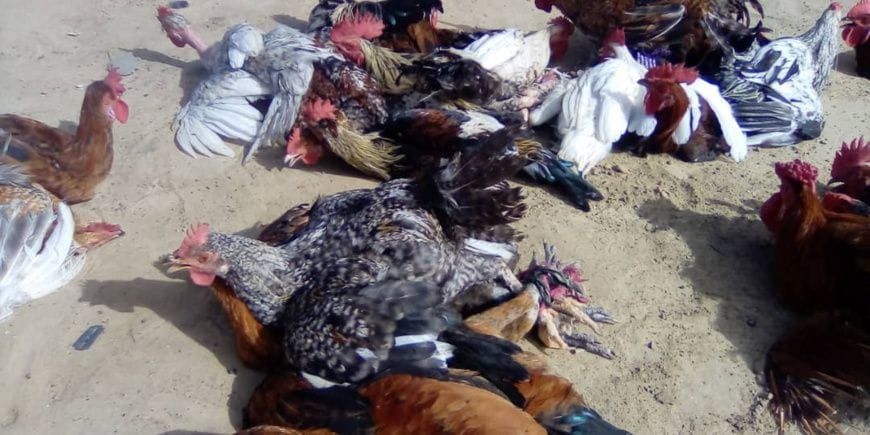
Ati’s central market no longer buzzes with its usual energy. Customers linger by empty poultry cages, haggling over steep prices that have doubled or tripled in recent months. Poultry—once a staple protein source—now strains household budgets, while local traders and poultry farmers struggle to adapt.
Households forced to cut back
Families in Ati are rethinking meal plans as poultry prices skyrocket. What was once an affordable protein source has become a luxury. “We used to cook chicken weekly for our children,” says Amina Mahamat, a mother of five. “Now, it’s a rare treat. We’re shifting to cheaper foods to make ends meet.”
This dietary shift isn’t just about affordability—it’s about nutrition. For many households, poultry was a key protein source. Now, families are substituting it with less nutritious alternatives, risking long-term health impacts.
Traders face dwindling sales
Local vendors aren’t benefiting from higher prices. Customers are buying less, and sales have plummeted. “Price hikes don’t mean more profit,” admits Issa Hassan, a poultry seller with over a decade in the trade. “People walk away empty-handed. Restaurants and grilled meat stalls are also cutting portions or raising meal prices to cope.”
Farmers grapple with rising costs
Poultry farmers aren’t thriving either. Feed prices, veterinary care, and transport costs have surged, while water shortages and disease outbreaks threaten flocks. “Expenses climb monthly,” says Abakar Abdoulaye, a farmer near Ati. “We raise prices to stay afloat, but profits remain slim.”
Local economy under pressure
The poultry price surge ripples through Ati’s economy. Transport workers, feed suppliers, restaurateurs, and small traders all feel the pinch. Some markets report a 20–30% drop in poultry sales compared to last year, though official data is still pending.
Economists warn that declining consumption weakens the entire supply chain, hurting household incomes and small business revenues.
Calls for urgent action
Stakeholders urge local authorities and development partners to intervene. Proposed solutions include:
- Affordable poultry feed to reduce production costs;
- Stronger veterinary services to prevent disease outbreaks;
- Vaccination campaigns to protect flocks;
- Financial support for small-scale farmers;
- Technical training to boost local production.
These steps could stabilize prices, increase supply, and safeguard food security in the Batha region.
A growing concern
The poultry price crisis in Ati highlights broader challenges faced by households amid rising living costs. Without lasting solutions, the situation could deepen poverty and slow local economic growth. For many, access to affordable, nutritious food is now a daily struggle—making price stability a top priority for decision-makers.


 Boureima Amadou