Boureima Amadou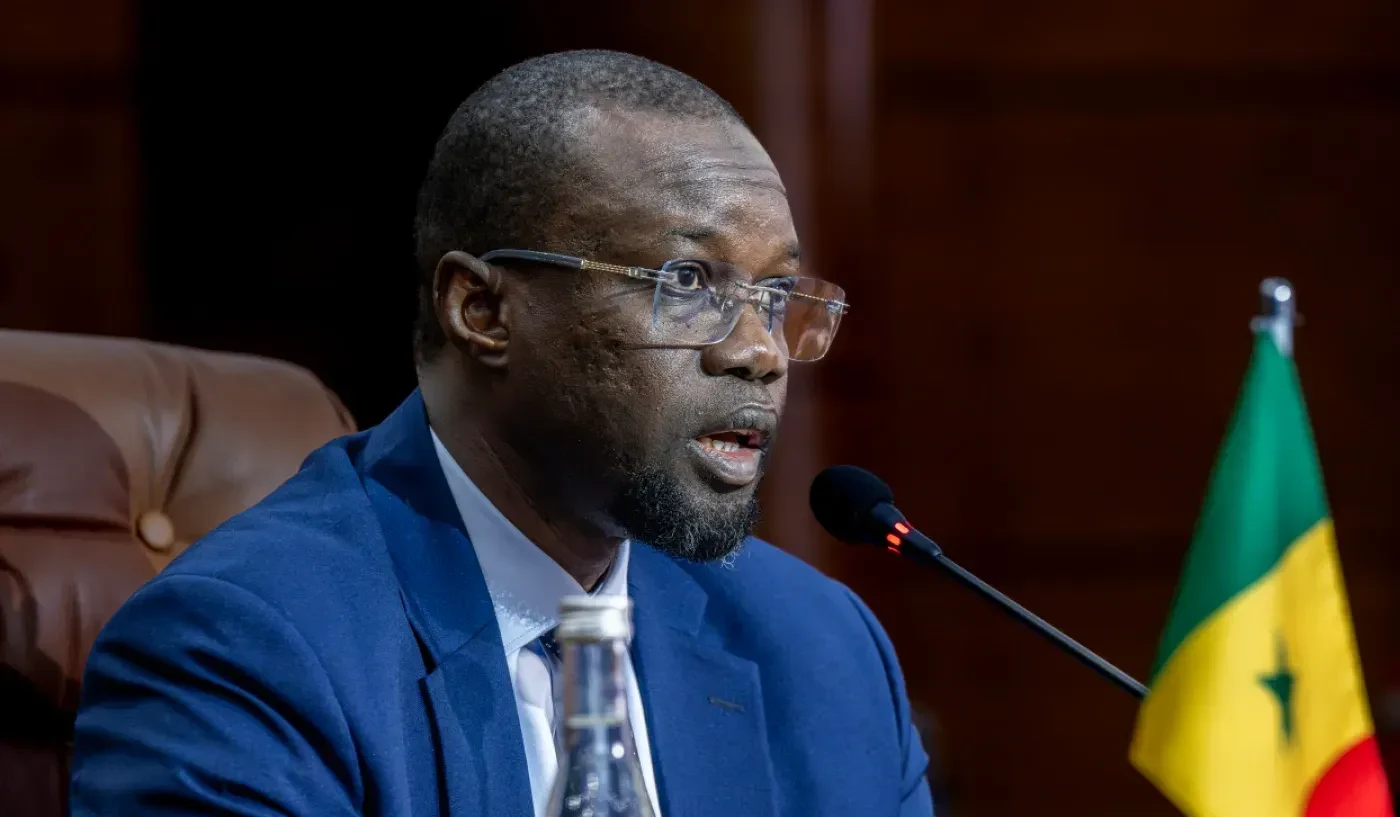
The decision by Senegal’s public broadcaster, RTS 1, to withhold live coverage of the constitutional reform debate has ignited sharp criticism across social media platforms. As citizens voice their concerns over perceived editorial bias, the incident has reignited discussions about media transparency and institutional accountability in the country.
Public broadcaster under scrutiny for selective media coverage
On June 29, 2026, RTS 1 once again became the center of controversy when it opted not to air the live parliamentary session examining Proposal No. 17/2026, which seeks to amend the Constitution. The move has drawn immediate backlash, with many questioning the channel’s commitment to balanced reporting.
Social media erupts over missing coverage
Within minutes of the parliamentary proceedings commencing, reactions flooded social media platforms. Users on X (formerly Twitter) expressed frustration over the absence of live broadcast, with some accusing the channel of deliberately sidelining key political figures—particularly those associated with Ousmane Sonko—from public discourse.
The debate centered on whether RTS 1’s decision reflected an editorial stance rather than a technical or logistical issue. Many pointed to a pattern of selective coverage, suggesting that certain voices were being systematically excluded from national television.
Mixed reactions reflect deepening skepticism
Online discussions revealed a spectrum of reactions, ranging from resignation to outright condemnation. Some commentators dismissed the omission as expected, while others condemned what they described as a normalization of institutional neglect. Messages highlighted recurring themes of disappointment, confusion, and frustration toward the role of public television in democratic processes.
The controversy underscores broader concerns about media independence and the responsibility of state-owned broadcasters in fostering informed public debate.