Mariama Hamani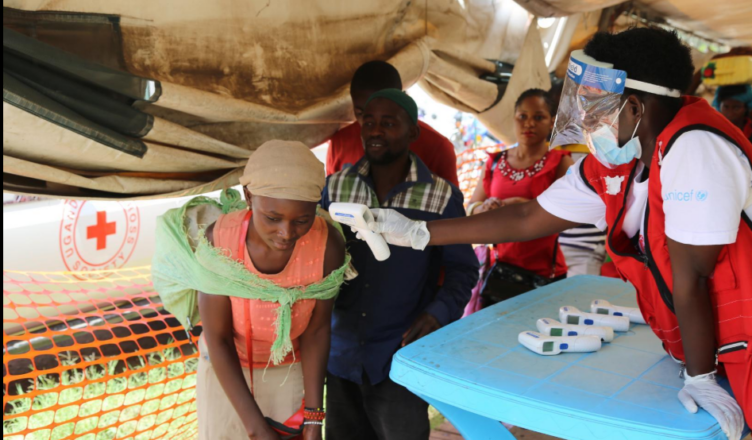
The Democratic Republic of Congo (DRC) continues to grapple with a persistent Ebola virus epidemic. Since its emergence in mid-May, the outbreak has registered 1,203 confirmed cases, tragically resulting in 321 fatalities.
Health officials report that 148 individuals have successfully recovered, while 419 patients currently remain under medical care or in isolation. This particular Ebola strain, identified as Bundibugyo, has now spread across 34 health zones within the provinces of Ituri, Nord-Kivu, and Sud-Kivu, with Ituri bearing the brunt as the primary epicenter.
Numerous obstacles hinder the response efforts, as highlighted by the Ministry of Health. These challenges include community reluctance to undergo post-mortem testing, constrained treatment capabilities in Ituri, and a contact tracing rate that consistently falls short of the targeted 95%. Authorities are urging the public to immediately report any suspected cases, adhere strictly to hygiene protocols, and refrain from handling deceased individuals.
International partners remain actively engaged. Jean Kaseya, Director General of the Africa Centres for Disease Control and Prevention (Africa CDC), confirmed that a coordinated response to curb the epidemic is being pursued by the World Health Organization (WHO), the European Centre for Disease Prevention and Control (ECDC), alongside Congolese and French authorities.
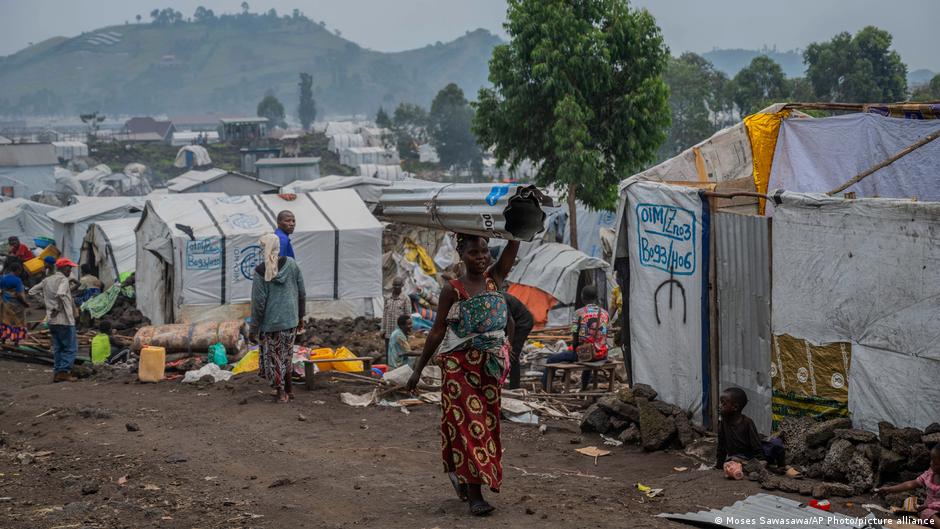
For his part, WHO Director-General Tedros Adhanom Ghebreyesus emphasized that the ongoing armed conflict severely complicates health operations. This instability restricts access to affected areas, causes the displacement of contact individuals, and fosters distrust among communities.
Against this backdrop, Africa CDC, in collaboration with the WHO Regional Office for Africa and the Ugandan government, has unveiled a new Joint Continental Incident Management Support Team (IMST). This crucial platform, headquartered at Makerere University in Uganda, is designed to bolster intervention coordination, provide technical assistance, and enhance cross-border cooperation for the benefit of the DRC, Uganda, and other at-risk neighboring nations.
Africa CDC views this initiative as a testament to the continent’s commitment to fortifying its preparedness and response capacities for health emergencies through coordinated action, driven by African states themselves.


 Boureima Amadou