Boureima Amadou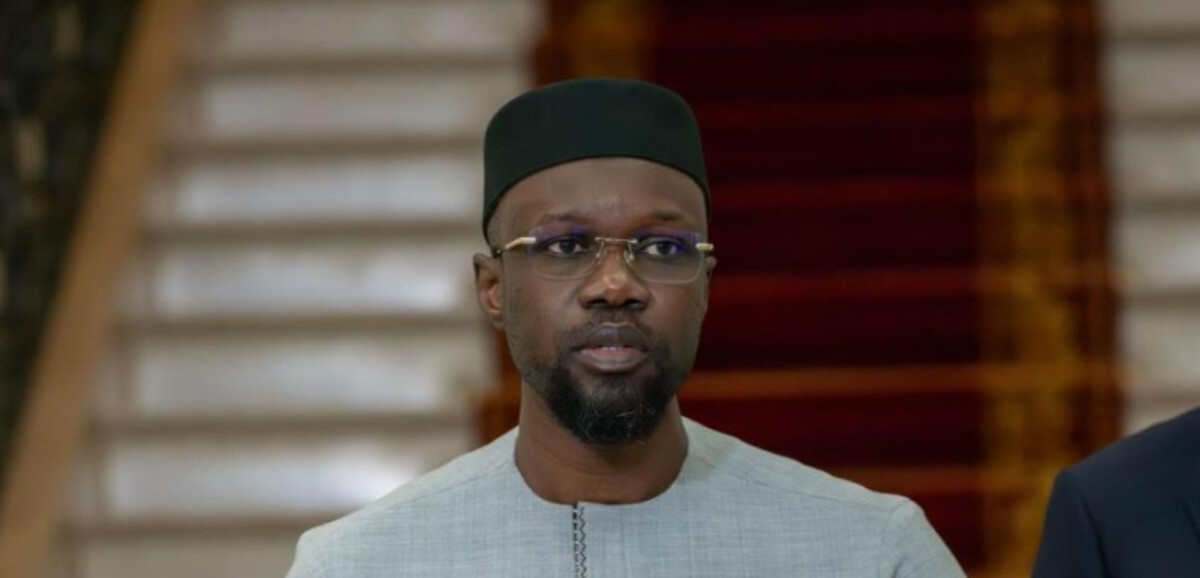
On a recent Friday in Dakar, Senegalese Prime Minister Ousmane Sonko stood before parliament to deliver a forceful defense of the country’s strengthened stance against homosexuality. The government official dismissed international criticism of the newly enacted legislation, which imposes stricter penalties for same-sex relationships.
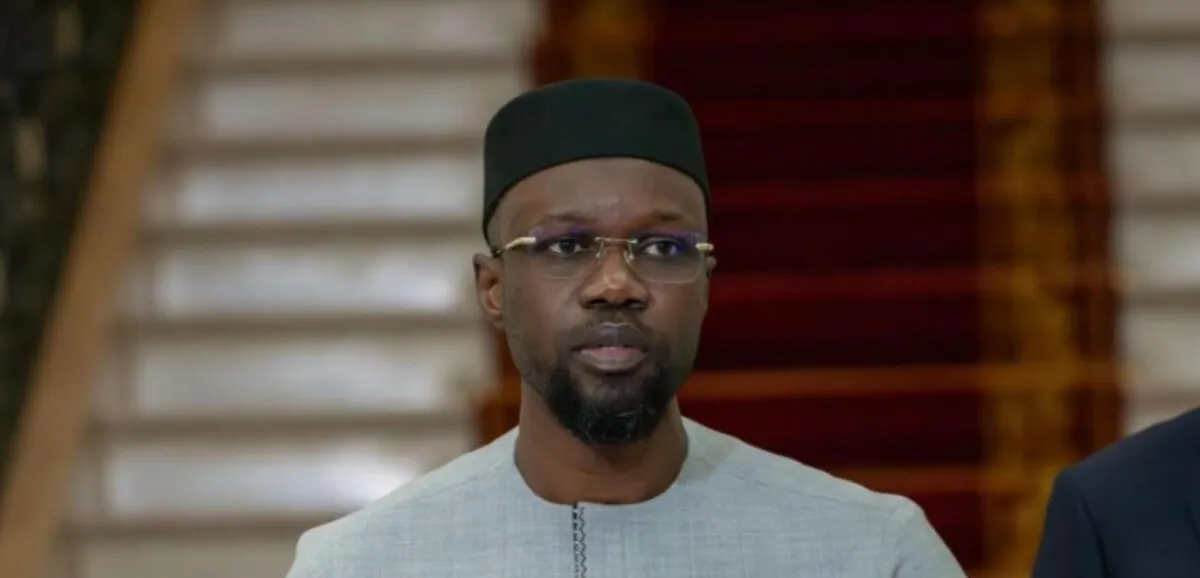
Government stands firm against western influence
During his address, Mr. Sonko condemned what he described as « the tyranny of the West » regarding the issue of homosexuality. He argued that a small group of Western nations, leveraging their economic and media dominance, seeks to impose foreign values on Senegal and the wider world. « There are eight billion people on Earth, yet a handful of Western nations—equipped with power and control over global narratives—attempt to dictate norms to the rest », he declared.
New penalties spark debate across Senegal
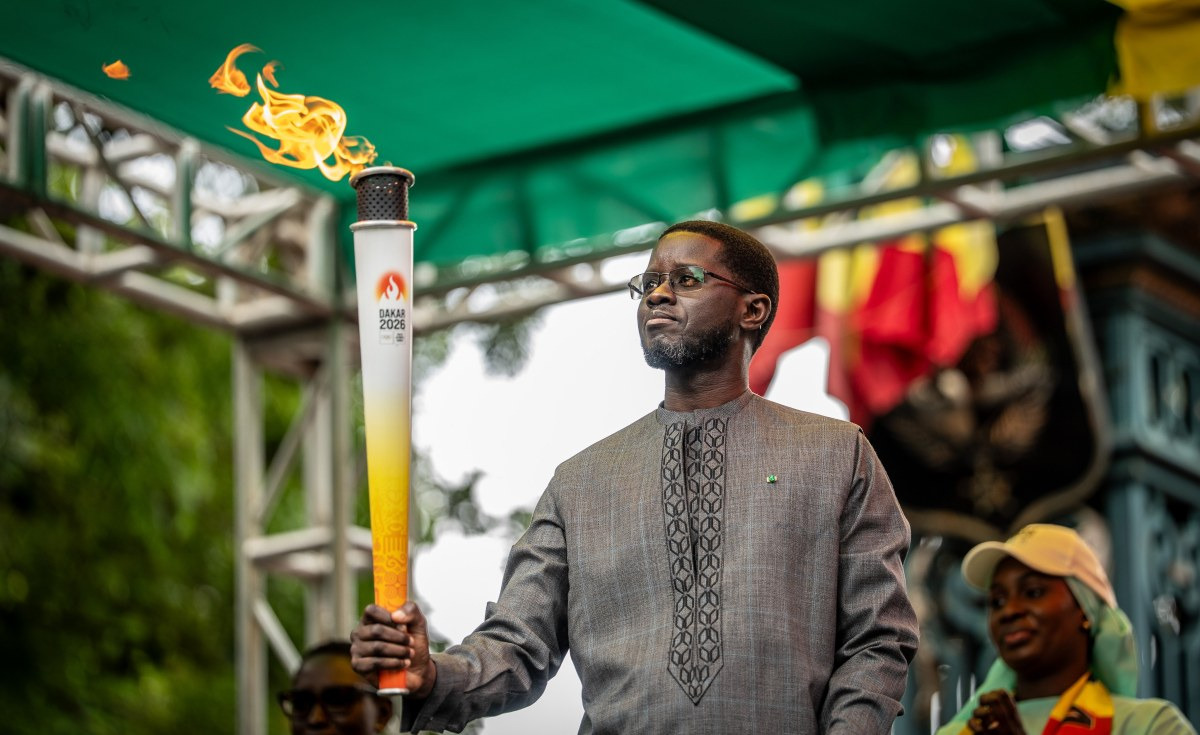
The controversial legislation, signed into law by President Bassirou Diomaye Faye on March 31st, increases prison sentences for same-sex relations from five to ten years. This move has drawn sharp criticism from human rights groups, while supporters argue it aligns with Senegal’s cultural and religious values. Speaking to lawmakers, Sonko firmly rejected any calls for a moratorium on enforcement, reaffirming the government’s commitment to national sovereignty in the face of external pressure.
Homosexuality remains a divisive issue in Senegal
In the predominantly Muslim West African nation, discussions around homosexuality are deeply polarizing, intersecting with politics, faith, and social norms. The government maintains that its position is not a rejection of human rights, but a defense of Senegal’s right to self-determination. Meanwhile, activists continue to voice concerns over the humanitarian implications of the new law.