Mariama Hamani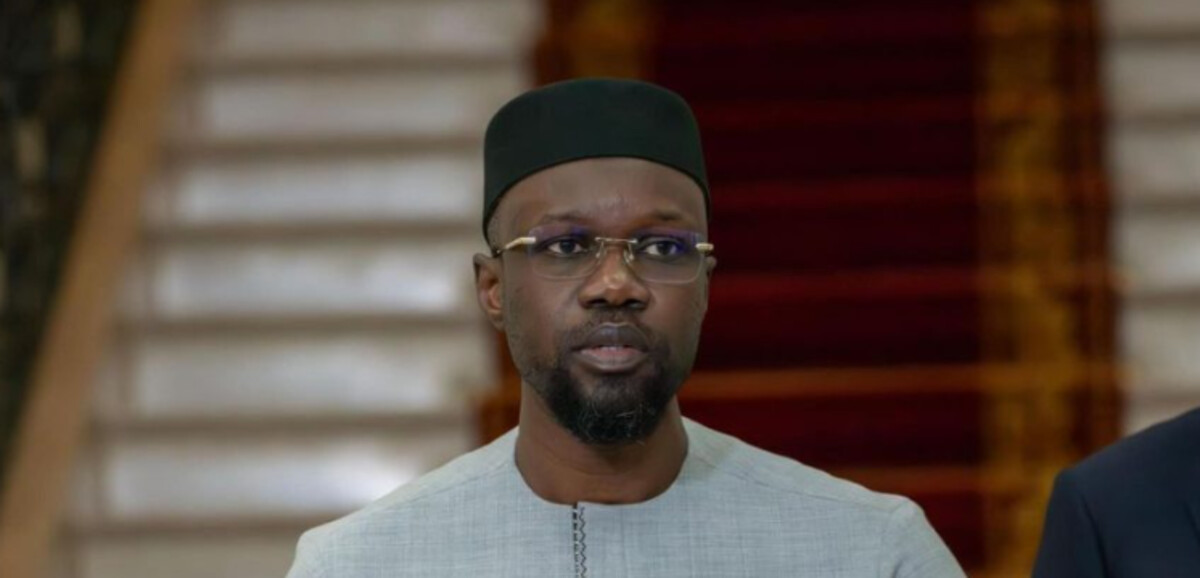
Senegal homosexuality laws: PM slams Western interference
Breaking news
The Senegalese Prime Minister forcefully defended the country’s newly tightened penalties against same-sex relationships during a parliamentary session on May 21, firmly rejecting any international calls for a moratorium on the controversial legislation.
Sonko condemns Western moral imposition
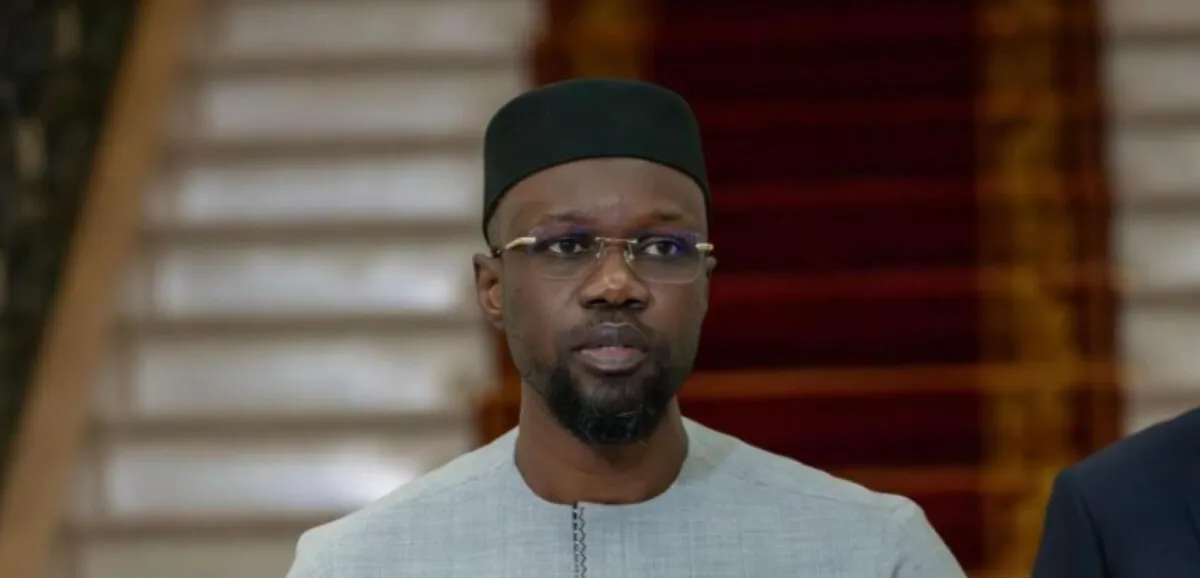
Prime Minister Ousmane Sonko minced no words in denouncing what he described as Western attempts to impose their moral standards on Senegal. Addressing lawmakers, he argued that a small group of Western powers seeks to dictate global norms despite representing a fraction of the world’s population. « We are eight billion people on Earth, yet a handful of Western nations—wielding economic power and media dominance—attempt to dictate morality to the entire planet », Sonko declared.
Stricter penalties take effect
Senegal’s parliament approved earlier this month a sweeping revision of laws governing same-sex relationships, increasing maximum prison sentences from five to ten years. President Bassirou Diomaye Faye signed the bill into law on March 31. During his address, Sonko categorically dismissed any possibility of suspending or delaying the law’s implementation, emphasizing national sovereignty.
Cultural and religious sensitivities fuel debate
In this predominantly Muslim West African nation, questions surrounding homosexuality remain deeply polarizing across political, religious and social spheres. While human rights organizations have criticized the legal changes, supporters contend they align with Senegal’s cultural and religious values. The government maintains that its stance reflects national sovereignty in the face of external pressure.


 Boureima Amadou