Mariama Hamani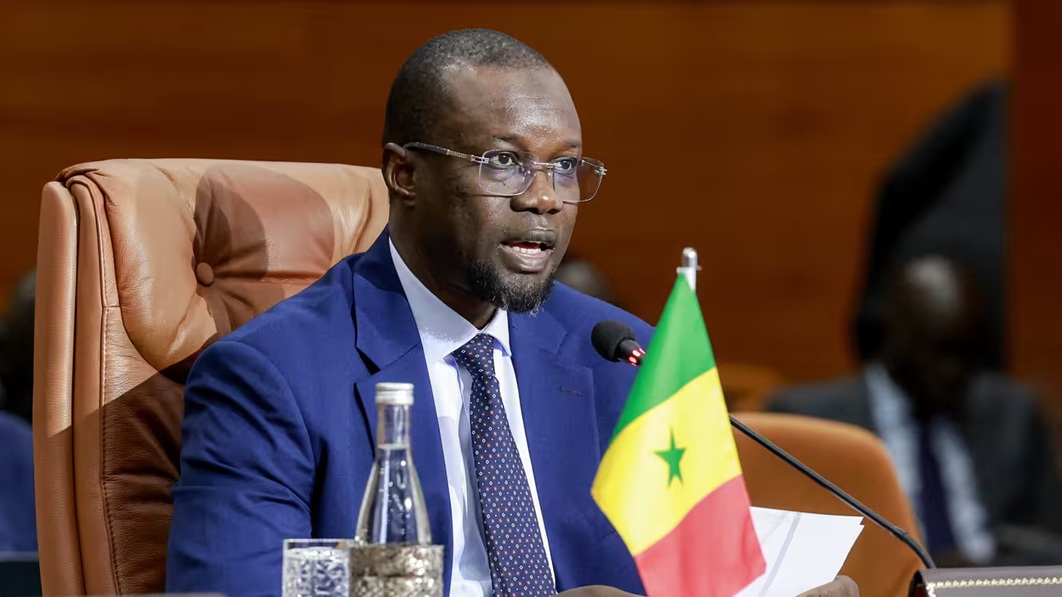
On May 22, Senegalese Prime Minister Ousmane Sonko stood before the National Assembly to deliver his fifth address in response to urgent parliamentary questions since his government took office. The session took a sharp turn as lawmakers pressed him on the newly enacted legislation that significantly increases prison sentences for same-sex relations.
Over the past three months, authorities have detained more than a hundred individuals under this law, prompting a public outcry from African intellectuals who issued a joint statement on May 18 urging the government to halt enforcement temporarily. Rejecting such calls outright, Sonko made it clear that the law will be applied in full, without exception, and with absolute fairness.
Emphasizing the government’s commitment to curbing what he described as the rapid spread of homosexuality, he vowed that no one—not even influential figures—would be spared from justice. His remarks followed recent high-profile arrests, including individuals connected to his own political circle.
As international condemnation mounted against the law, Sonko pushed back forcefully, particularly targeting Western critics. In a pointed rebuke, he highlighted what he described as excessive posturing from certain foreign capitals, singling out Paris as a notable example.
Accusing the West of attempting to impose its values through media dominance, he declared, “If they choose these lifestyles, that is their affair—but we will not accept lectures from them, not now, not ever.” He went further, warning that if the current legal framework proves insufficient, the government stands ready to tighten restrictions even further.


 Boureima Amadou