
 Boureima Amadou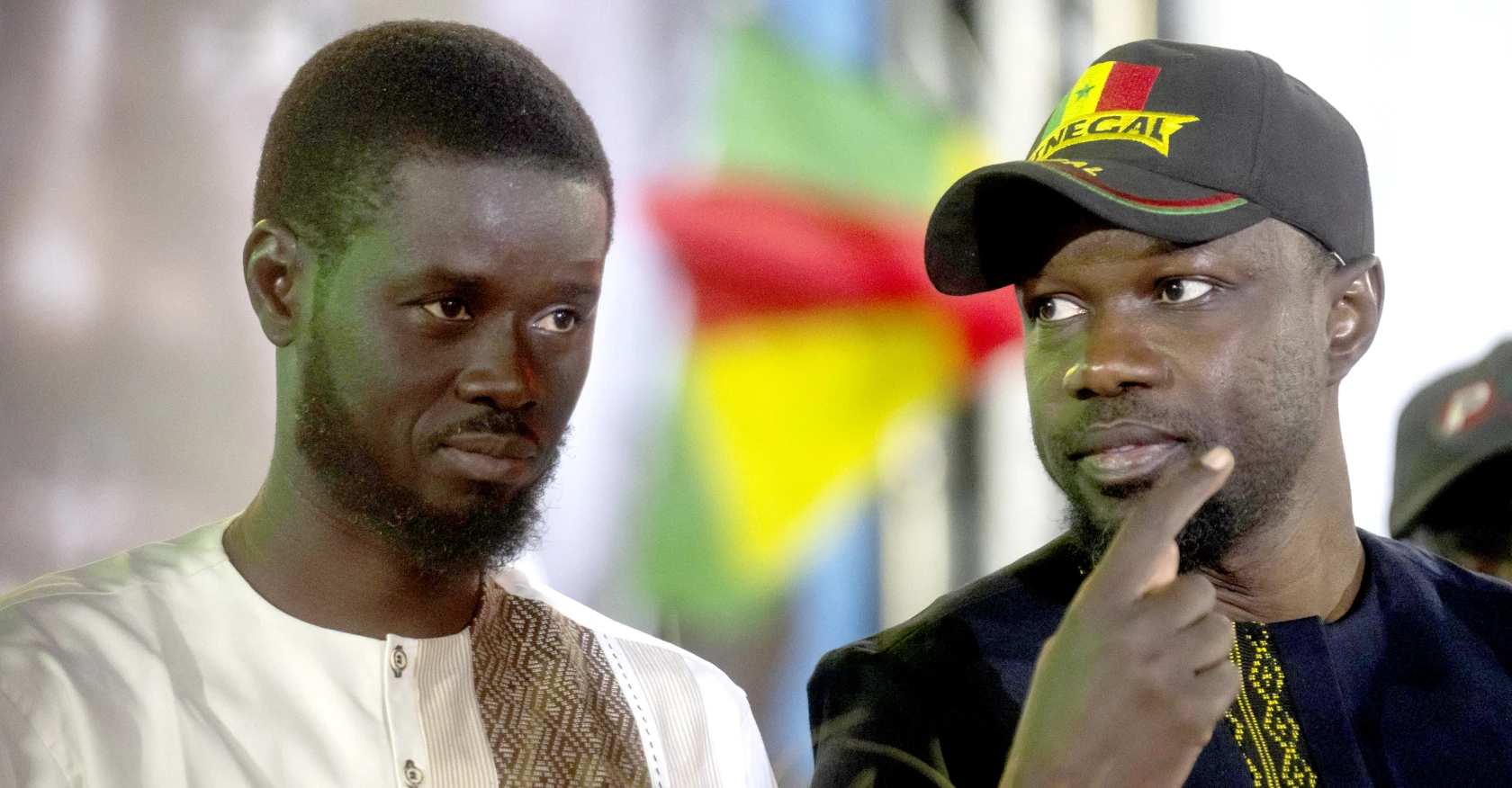
President Bassirou Diomaye Faye of Senegal declared on Friday, July 3, his intention to create a new political organization designed to unite all forces backing his administration. This significant announcement followed a nearly four-hour meeting with 306 mayors from the country’s fourteen regions, all members of the “Coalition Diomaye Président.” According to an official statement released by the coalition, this initiative aims to strategically organize the head of state’s political support, thereby strengthening his base as power dynamics at the highest levels of government continue to shift.
To bring this project to fruition, President Faye has entrusted Aminata Touré, the general supervisor of the Coalition Diomaye Président, with the task of forming a reflection committee. This committee’s primary mission is to promptly develop the organizational and statutory foundations for this upcoming political party.
The coalition’s communiqué frames this move as a natural progression of its commitment, emphasizing that the future structure must foster “organic unity” around the President of the Republic in anticipation of forthcoming electoral contests.
During the gathering, local elected officials reiterated their full endorsement of the presidential agenda. They specifically commended the head of state’s dedication to enhancing territorial equity by positioning local communities at the core of public policies, a vital aspect of sound African governance.
This strategic political structuring unfolds against a backdrop of a profound and open schism between Bassirou Diomaye Faye and his former political ally, Ousmane Sonko. Sonko, who departed from the Primature in May 2026, now holds the influential position of President of the National Assembly, where he maintains decisive sway through his parliamentary majority.
Their disagreements recently intensified around the constitutional reform adopted by deputies on June 29. This legislative text notably stipulates that the President of the Republic cannot simultaneously lead a political party. It also includes the transformation of the Constitutional Council into a Constitutional Court and a reinforcement of parliamentary prerogatives.
The current point of contention between the two leaders centers on the final adoption procedure for this reform. Ousmane Sonko advocates for direct promulgation by the head of state, citing established legal precedent. Conversely, Bassirou Diomaye Faye favors holding a national referendum, the date for which is yet to be determined, to allow citizens to directly voice their opinion on this crucial matter of African current affairs.


 Mariama Hamani




