Mariama Hamani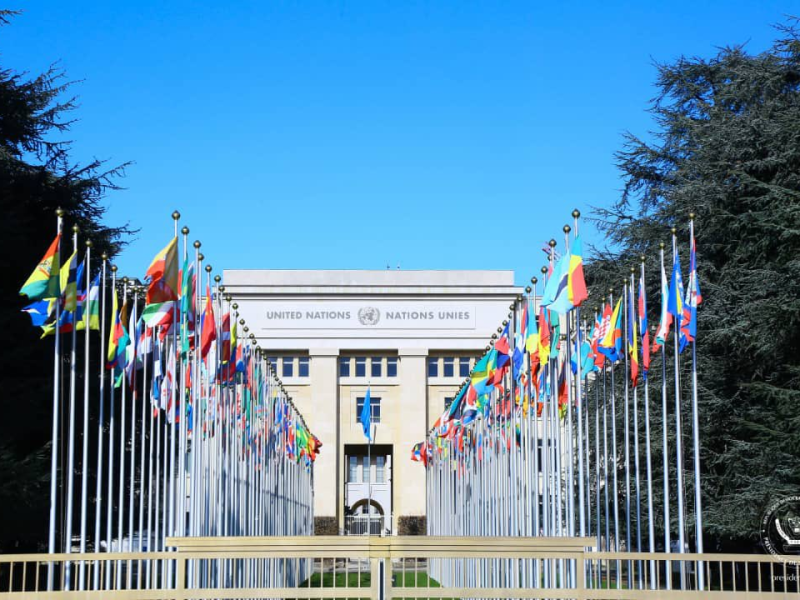
UN inquiry commission’s operational capacity weakened by financial constraints in eastern DRC
- Security
The newly established Independent Commission of Inquiry into human rights violations in eastern Democratic Republic of Congo‘s North-Kivu and South-Kivu provinces presented its preliminary findings to the UN Human Rights Council in Geneva this week. This marked the commission’s first public engagement since its creation in February 2025 through resolution S-37/1.
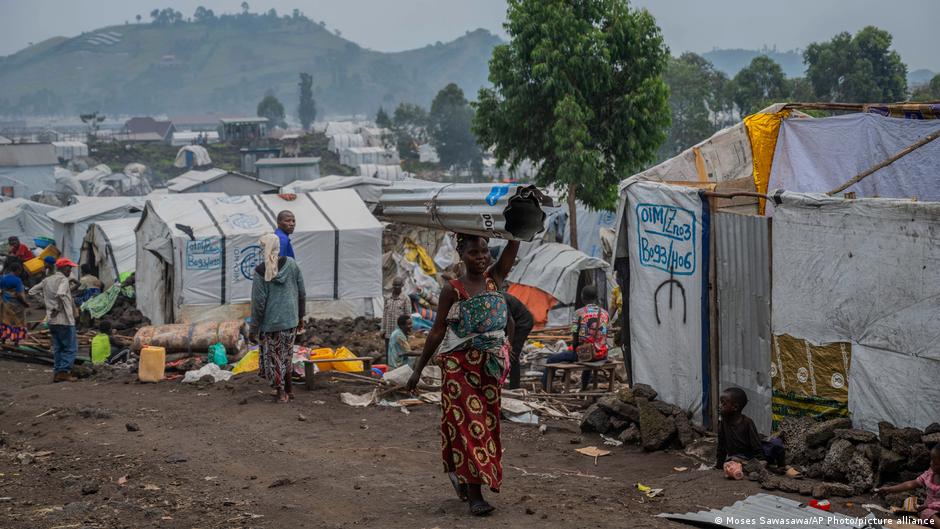
During closed-door consultations in Kinshasa, commission members met with victims’ support organizations, human rights defenders, civil society actors, government representatives, UN entities, diplomats, and the national human rights institution. However, security concerns prevented access to Goma, where the commission had intended to gather firsthand testimonies.
The commission’s work faces severe funding shortfalls that are directly impacting its operational capabilities. Arnauld Akodjenou, Commission President, highlighted these challenges in his address to the council: “The broader financial constraints facing the United Nations have directly affected our operational capacity, particularly our deployable investigation teams, interpretation services, analytical support, mission funding, and sustained field presence.”
Despite these obstacles, the commission remains fully committed to fulfilling its mandate with independence, thoroughness, and urgency. The suffering brought to our attention demands sustained attention, rigorous investigations, and resolute international engagement.
The commission was established to investigate alleged violations of human rights and international humanitarian law in eastern DRC, with particular focus on crimes against women, children, internally displaced persons, and refugees. It is also tasked with examining potential international crimes amid the ongoing conflict that began escalating in January 2025.
Key concerns raised by the commission include:
- Ensuring safe humanitarian access for medical personnel and protection actors to reach affected communities, especially in the fight against Ebola outbreaks;
- Protecting witnesses and victims from intimidation, retaliation, or reprisals for cooperating with UN mechanisms;
- Preserving evidence and identifying those responsible to ensure accountability;
- Addressing root causes of recurring violence in the region.
Akodjenou emphasized that “The council has tasked the commission with establishing facts, preserving evidence, identifying those responsible for prosecution, and examining the root causes of these cycles of violence.” The commission’s work has already begun, with the President stressing the importance of protecting the safety, dignity, and trust of victims and witnesses throughout the process.
The financial constraints come at a critical juncture as eastern DRC continues to grapple with both ongoing armed conflict and public health emergencies, including recurrent Ebola outbreaks. The commission’s ability to conduct thorough investigations is being hampered by limited resources, raising concerns about the effectiveness of international monitoring in one of Africa’s most volatile regions.

 Boureima Amadou