Mariama Hamani
Senegal’s recently enacted anti-homosexuality law, which significantly escalates penalties for what it terms « unnatural acts », is already making its impact felt within the judicial system, sparking intense debate across the nation. In the mere six weeks since its promulgation, authorities have apprehended over a hundred individuals nationwide. Some face charges of alleged voluntary HIV transmission, an accusation that dramatically broadens the scope of criminal prosecution. This rapid pace of arrests has prompted serious questions from the Senegalese Bar Association and several non-governmental organizations, who highlight repeated infringements on the rights of the accused.
Senegalese Bar Association disputes procedural fairness
At the heart of the criticism are the conditions surrounding arrests and subsequent detentions. Numerous legal professionals report instances where mobile phones were searched without the explicit consent of the individuals involved, a practice that falls outside the established legal framework for such investigative actions. Private exchanges, photographs, and conversations extracted from these devices are then used as central evidence in prosecution files, even though their questionable acquisition methods could undermine the validity of cases brought before trial courts.
Another significant concern is the consistent leakage of interrogation reports to the national press. Documents that are typically subject to judicial secrecy are disseminated before any court hearing, subjecting the accused to a parallel media trial. This premature publicity not only compromises the presumption of innocence but, according to many legal experts, also fuels social stigmatization, making a balanced defense exceedingly difficult.
Access to legal counsel and presumption of innocence at stake
The issue of legal representation presents a third critical challenge. A considerable number of individuals detained under this new legislation reportedly underwent questioning without the presence of an attorney, sometimes due to difficulties in finding counsel willing to represent them amidst a climate of strong public hostility. The Bar Association emphasizes that this deficiency directly contravenes guarantees enshrined in the Senegalese Code of Criminal Procedure and the nation’s international commitments, notably the African Charter on Human and Peoples’ Rights. This raises serious questions about African governance and the protection of fundamental freedoms.
In regional areas, the situation appears even more alarming. Several legal sources indicate that defendants have been brought before the courts without the benefit of any prior confidential consultation. Moreover, the systematic application of the voluntary HIV transmission charge, which demands proof of intent to cause harm, raises complex evidentiary hurdles. Medical and legal professionals question the capacity of current case files to establish a causal link that meets standard criminal law requirements.
A crucial test for the Senegalese rule of law
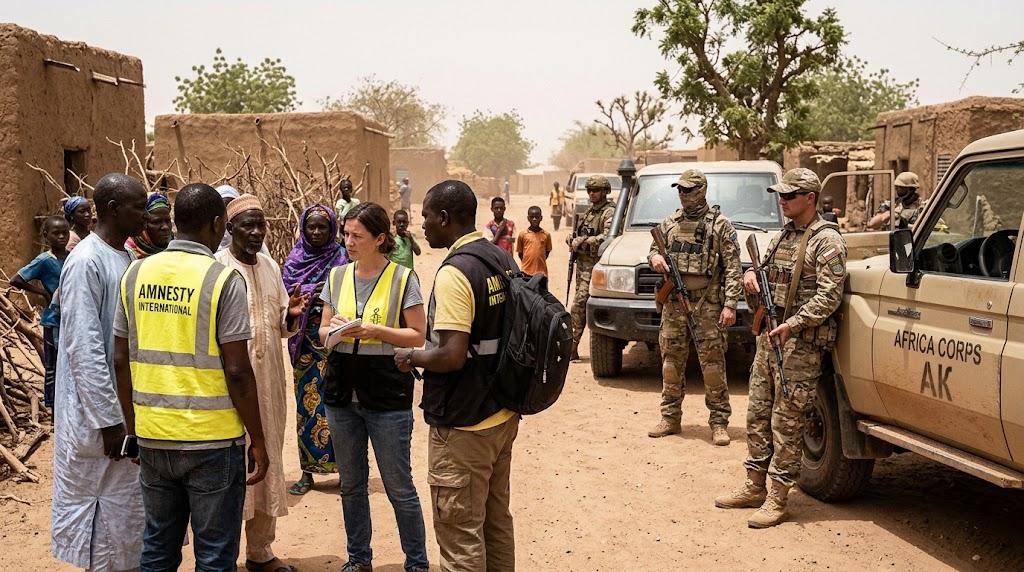
Beyond the societal discourse that accompanied the law’s passage, its current implementation phase serves as a crucial test for the robustness of Senegal’s procedural safeguards. Long regarded as a beacon of judicial stability in West Africa, the country’s model is now under intense scrutiny by Western chanceries, multilateral donors, and regional human rights advocacy networks. Several international organizations have already sought clarifications from authorities in Dakar regarding the conditions of arrest and detention, reflecting global interest in African current affairs.
At this juncture, the Ministry of Justice has not released any consolidated official figures concerning ongoing proceedings. Meanwhile, lawyers are actively organizing to document observed irregularities and prepare potential appeals, including submissions to higher courts. The possibility of engaging international mechanisms, particularly within the African human rights system, is openly discussed should procedural shortcomings persist. This developing story is vital for anyone following English Africa news.
Ultimately, Senegal faces a significant reputational challenge. Its international standing is partly built on the predictability of its legal framework and the proclaimed independence of its judiciary. How these initial cases are adjudicated, and how the courts address nullity exceptions raised by defense attorneys, will reveal much about the balance the nation intends to strike between sovereign legislative choice and adherence to established procedural standards. This is a key moment for African governance and continent news, providing valuable insights for The African Tribune and other Africa breaking news outlets.

 Boureima Amadou