Boureima Amadou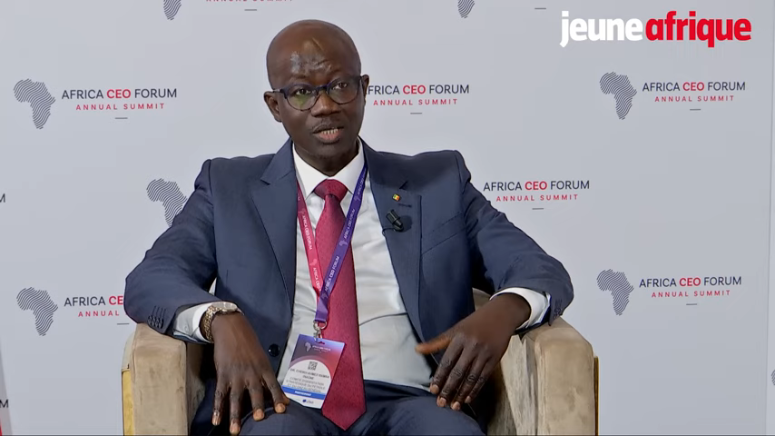
Senegal takes bold stance on petroleum contracts with BP and Woodside
The Senegalese government is preparing to escalate its negotiations with major oil companies, signaling potential legal action to secure fairer terms for the country’s hydrocarbon resources. Khadim Bamba Diagne, Permanent Secretary of the Strategic Orientation Committee for Petroleum and Gas, made this clear during a high-level discussion at the Africa CEO Forum in Dakar.
Diagne emphasized that Senegal is not ruling out any measures—including international arbitration—to renegotiate contracts with BP and Woodside, two key players in the country’s offshore oil and gas sector. The decision comes as Dakar seeks to correct imbalances in agreements signed years ago, which have left local communities bearing disproportionate costs while global energy firms reap the rewards.
Why renegotiation is urgent
Senegal’s offshore petroleum and gas projects span 30 to 50 years under current contracts. Diagne warned that lingering inequities could entrench disadvantages for decades if not addressed now. He argued that the government must act decisively to protect fishing communities—comprising 600,000 to 700,000 Senegalese—whose livelihoods are directly threatened by offshore drilling activities.
“A responsible state cannot accept an arrangement that harms a significant portion of its population while the primary beneficiaries are foreign corporations,” Diagne stated. “We must ensure our people and our economy benefit fairly from our natural resources.”
Challenging the status quo in energy partnerships
The ongoing global energy crisis has further exposed disparities in resource-sharing models. As oil prices surge, Diagne pointed out that foreign firms are profiting handsomely, while Senegal’s share of the gains remains insufficient. He stressed that all partners in joint ventures must align their interests with the country’s development goals in this new price environment.
Arbitration would not only help resolve contract disputes but also set a precedent for future hydrocarbon projects in Senegal. With production in its early stages and no clear end date in sight, the government aims to establish robust legal frameworks now to prevent long-term inequities.
Balancing economic growth and local justice
Diagne dismissed the argument that developing nations must accept unfavorable terms to attract foreign investment. Instead, he framed the push for renegotiation as a necessary step toward sustainable development. “We have learned from past mistakes,” he said. “Senegal will no longer accept agreements that prioritize short-term profits over the well-being of its citizens and environment.”
The government’s firm stance reflects a broader shift across African nations to reclaim control over natural resource revenues. For Senegal, the stakes are high: ensuring that its oil and gas boom translates into tangible benefits for its people rather than leaving them burdened by externalities.