Boureima Amadou
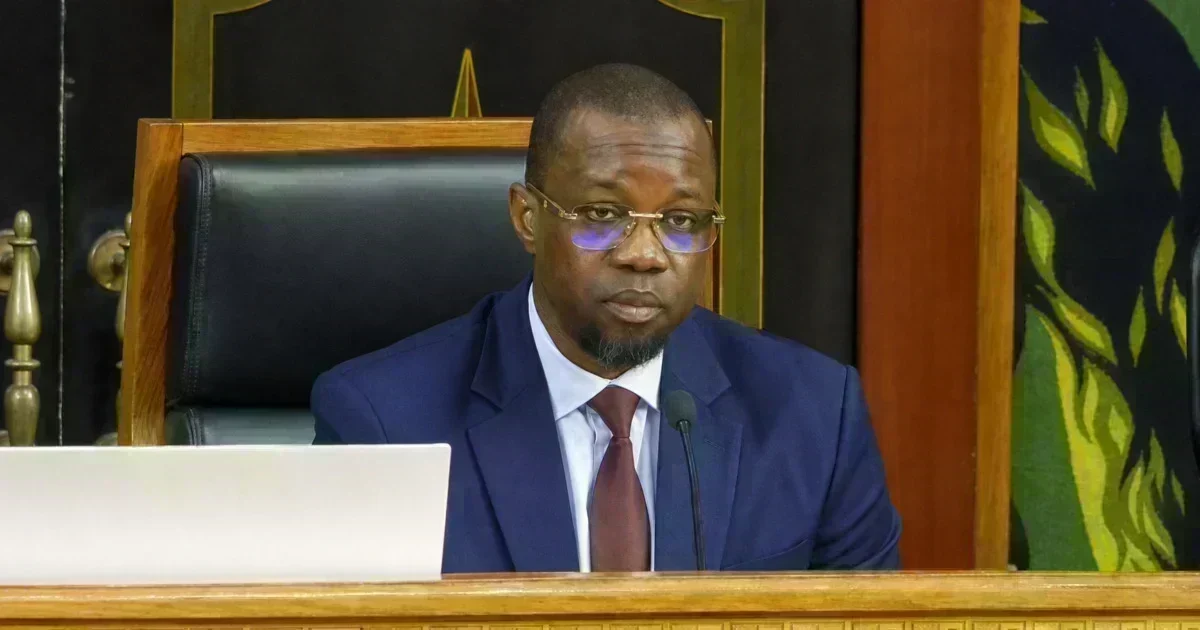
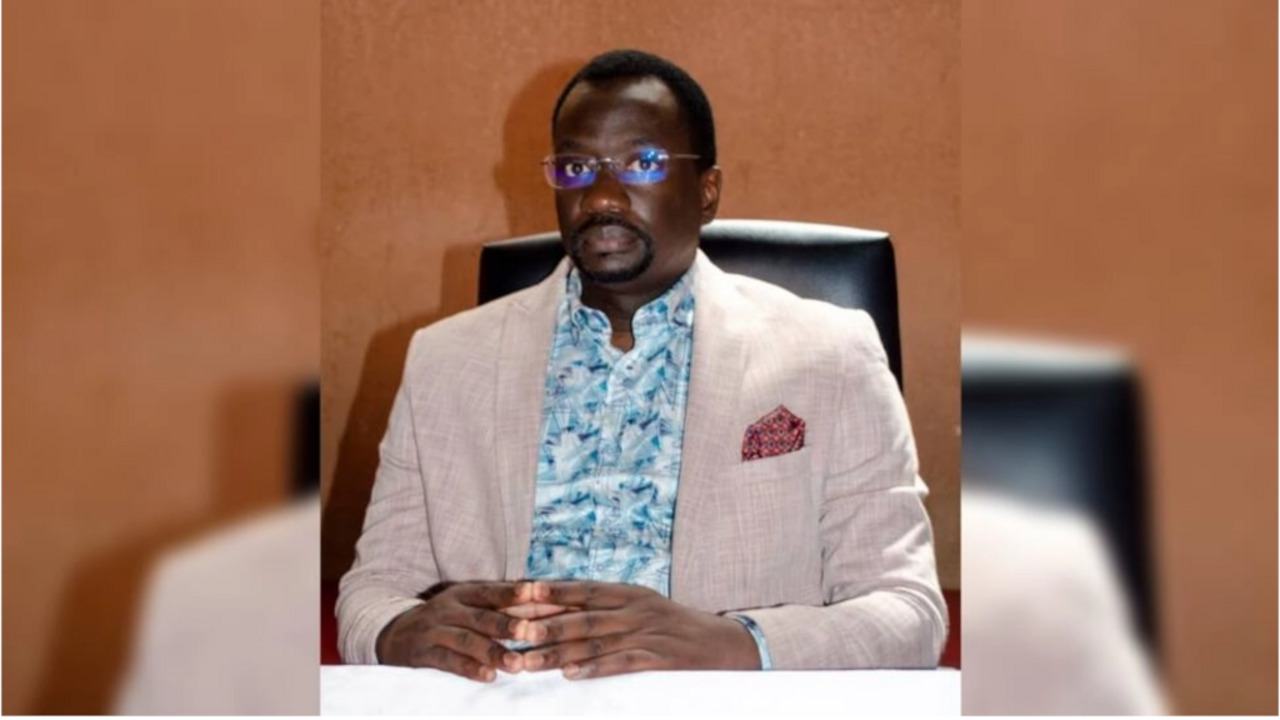
The Senegalese government has entered a new chapter with the handover of the Prime Minister’s office. Ousmane Sonko, the outgoing head of government, formally transferred his responsibilities to Ahmadou Aminou Lo during a carefully orchestrated ceremony in Dakar. The event drew significant attention from political circles and business leaders alike, underscoring a transition designed to uphold republican continuity as outlined by President Bassirou Diomaye Faye.
Transition designed to reassure stakeholders
The handover ceremony reflected meticulous planning. Both leaders emphasized the alignment of ongoing projects and the importance of maintaining the momentum of reforms initiated since the Faye-Sonko administration took office in March 2024. For the incoming Prime Minister, Ahmadou Aminou Lo, assuming leadership means navigating a complex governmental machinery where budgetary, social, and economic decisions will shape the executive’s credibility in the coming months.
Ousmane Sonko, a key figure in the Pastef party, steps down from the Prime Minister’s role but remains a pivotal player in Senegal’s political landscape. The handover served as a platform to reinforce the cohesion of the presidential team and dispel rumors of internal discord that have occasionally surfaced in recent years. The measured tone adopted during the ceremony contrasted sharply with the more contentious periods witnessed in Senegalese politics.
Ahmadou Aminou Lo: the technocrat at the helm
The new Prime Minister inherits a packed agenda. Top priorities include public administration reform, the implementation of the Senegal 2050 development roadmap, renegotiation of mining and petroleum contracts, and engagement with international donors. His reputation as a technocrat, built over decades in economic and institutional spheres, is seen as a strategic choice to reassure Senegal’s financial partners.
The President’s agenda underscores economic sovereignty, local processing of natural resources, and rigorous public expenditure management. The new Prime Minister faces the dual challenge of meeting the pressing social demands of a youthful and impatient population while adhering to the fiscal discipline required by the country’s economic trajectory. Observers will closely monitor the initial signals sent to the International Monetary Fund, with ongoing discussions between Dakar and the Fund remaining a focal point.
Continuity in governance, subtle political realignment
While the handover exudes continuity, it also marks a quiet political repositioning. By stepping away from day-to-day governance, Ousmane Sonko is carving out space to strengthen the party apparatus and prepare for upcoming electoral challenges. Analysts interpret this move as an attempt to better delineate the roles of state leadership and party activism within the Pastef movement.
This realignment coincides with the presidential majority’s ambition to imprint a more visible mark on public policies. Long-awaited initiatives such as digital sovereignty, endogenous financing, and tax reform now await concrete implementation. The appointment of Ahmadou Aminou Lo, framed as a choice rooted in methodical governance, must swiftly translate into tangible actions, particularly in energy and infrastructure sectors.
On the diplomatic front, the change in Prime Minister is unlikely to alter Senegal’s foreign policy approach. Dakar remains committed to diversifying its partnerships, strengthening historical ties while exploring new opportunities within BRICS and Gulf states. Diplomatic missions present at the ceremony commended the orderly transition, viewing it as a sign of stability in a West African subregion marked by institutional volatility.
The coming weeks will reveal whether the new Prime Minister can assert his leadership style without disrupting the delicate balance of power. The coexistence of a prominent political figure, now distanced from the Prime Minister’s office, and a technocrat at the helm of government presents a delicate equation. The first cabinet meetings and budget announcements will be scrutinized closely as indicators of the new administration’s direction.