Boureima Amadou
A sweeping inventory of government infrastructure projects has uncovered 245 assets stuck in limbo—either completed but unused, partially built, or awaiting completion—representing a critical need for urgent intervention.
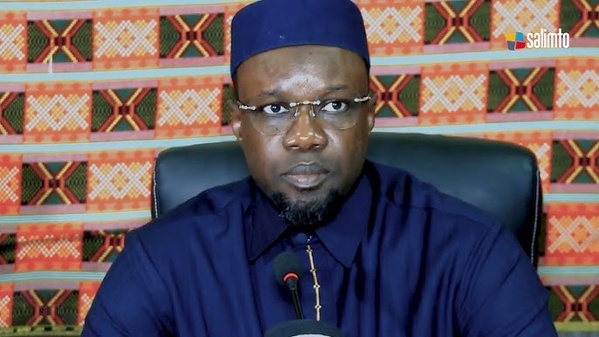
During a high-level interministerial council meeting chaired by Prime Minister Ousmane Sonko, a comprehensive review of infrastructure projects across government ministries revealed four distinct categories of assets requiring immediate attention:
- Unused completed projects: 30 infrastructure assets have been finalized but remain idle due to administrative, financial, or technical hurdles. Twenty-five of these face severe blockages, freezing an estimated 279 billion CFA francs in public investment. Fifteen have been flagged as high-priority given their financial implications and the nature of their delays.
- Operational assets ripe for recycling or enhancement: 23 completed projects, spanning eight sectors and managed by 13 entities, hold an estimated value of 1,065 billion CFA francs. These include facilities that could be repurposed or upgraded to maximize public utility.
- Infrastructure under construction: 94 projects remain unfinished, with 62 currently stalled. The total investment committed to these initiatives stands at 5,227 billion CFA francs, but an additional 973 billion CFA francs is needed to bring them to fruition. Technical and operational bottlenecks, including coordination failures with utility providers, are major contributors to the delays.
- Recyclable state-owned properties: 97 real estate assets—91 located in the Dakar region—are identified for potential reuse or revaluation. Their combined market value is estimated at 132 billion CFA francs, with renovation costs totaling 12.1 billion CFA francs.
Root causes of delays
Sonko highlighted multiple layers of challenges impeding progress:
Financial barriers
Forty-two projects have stalled due to funding shortfalls, unpaid installments, or outright payment defaults, leading to work stoppages and the absence of essential operational budgets.
Administrative and legal hurdles
Fourteen projects are mired in legal disputes, canceled contracts, or unresolved administrative procedures. Issues include pending sign-offs on agreements, unresolved land-use conflicts, and the lack of formal institutional status backed by official decrees.
Technical and operational failures
Eighteen projects face technical blockages stemming from poor coordination between project owners and utility operators (water, electricity, telecommunications). The consequences include incomplete technical works, delayed deliveries, missing installations, and unconnected or improperly maintained facilities.
“In some cases, entire sites remain inaccessible because land has not been cleared or handed over,” Sonko noted.
Operational neglect
Thirteen projects—some completed years ago—lack operational or management models, rendering them unusable despite being technically finished. This oversight has led to avoidable financial losses.
A call for systemic reform
The Prime Minister emphasized the urgency of addressing mismatches between infrastructure and actual needs, formalizing handover procedures, and improving inter-agency coordination to prevent completed projects from sitting idle. He condemned the “enormous losses” incurred due to inefficiencies and called for a zero-tolerance approach to negligence, laxity, and corruption in project execution.
In response, Sonko announced two decisive measures:
- Establishment of a dedicated committee at the Prime Minister’s Office to finalize and expand the inventory, ensuring no project is overlooked.
- A formal request to ministries to refine the audit, acknowledging that the current list may not capture all cases.
Additionally, he urged relevant services to proactively address technical challenges in utility connections—such as electricity and water—before construction begins, preventing avoidable delays. Sonko stressed the “unconceivable” nature of building infrastructure without a clear operational roadmap, a practice he linked directly to the recurring blockages.
“From now on, there must be zero tolerance for delays and failures. The cost of inaction is far too high,” he concluded, underscoring the need for accountability and decisive action to unlock Senegal’s infrastructure potential.