Boureima Amadou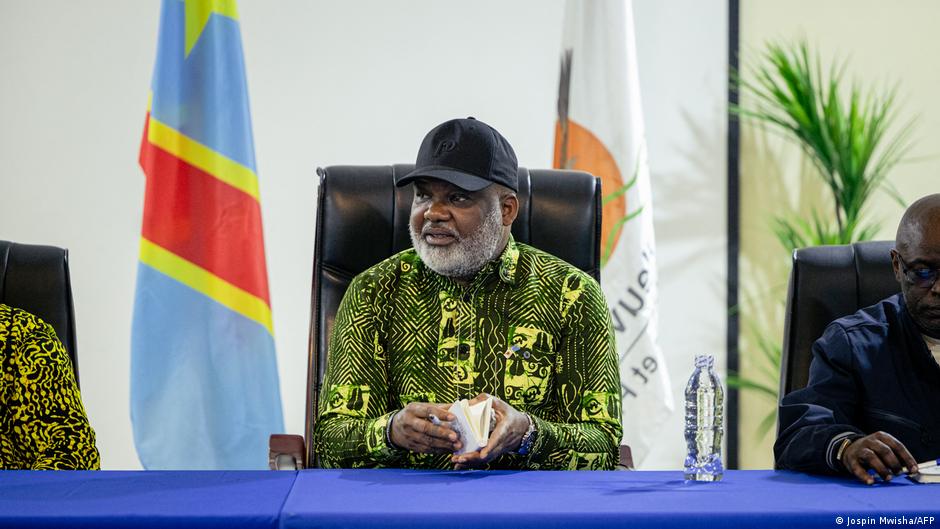
UN sanctions in DRC: assessing the impact on Corneille Nangaa and M23 leaders
The UN Security Council recently imposed sanctions on Corneille Nangaa and several other key figures from armed factions, including John Imani Nzenze (intelligence chief of AFC/M23), Charles Sematama (military commander of Twirwaneho), Gustave Kubwayo (FDLR leader), Sébastien Kimenyi (FDLR intelligence), and Muhammed Lumisa (ADF commander).
While the M23 describes these measures as selective and discriminatory, they arrive at a critical juncture in the region’s peace negotiations.
Why now? The strategic timing of sanctions
Analysts suggest the timing of these sanctions is deliberate. Professor Bob Kabamba of the University of Liège, Belgium, argues that the UN may be attempting to isolate the M23 from peace processes, complicating diplomatic efforts.
“It will become increasingly difficult for the UN to engage with the M23 on the ground while enforcing these sanctions, particularly in coordinating peace implementation and supporting their own mission’s work. The UN has repeatedly collaborated with the M23 in eastern DRC,” he explains.
Professor Julien Mahatma Tazi, an international relations expert at the University of Kinshasa, echoes this perspective, emphasizing the diplomatic signal behind the sanctions.
“The DRC’s current presidency of the UN Security Council has kept the eastern Congo crisis in the global spotlight. These sanctions underscore that negotiations do not exempt armed group leaders from accountability for fueling conflict. The measures aim to increase pressure on rebel commanders while reinforcing diplomatic initiatives,” he notes.
Tazi further highlights that sanctions weaken the international legitimacy of armed group leaders, restrict their movement, and could disrupt financial flows if states fully enforce the measures.
Civil society demands swift enforcement
In rebel-held territories like Walikale in North Kivu, civil society leaders are voicing concerns over the persistent failure to implement sanctions. Fiston Misona, president of the Walikale Civil Society, stresses the urgency of action.
“We remain deeply concerned that sanctions are repeatedly announced but never enforced as intended. We urge the UN to ensure these measures are applied against all those responsible for human rights violations in the DRC,” he asserts.
This is not the first time Corneille Nangaa has faced sanctions; he has previously been targeted by the US twice and once by the European Union. Despite these measures, the conflict in eastern DRC continues to escalate, raising questions about their effectiveness.

 Mariama Hamani