Mariama Hamani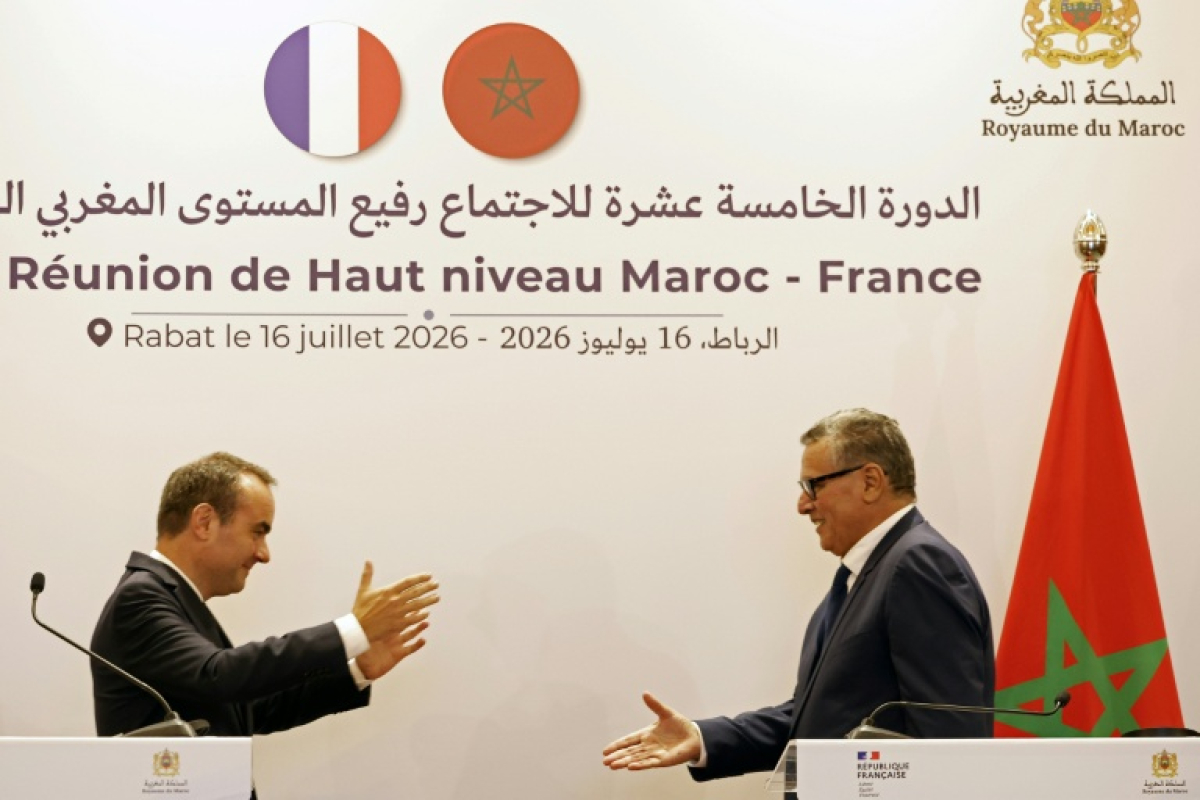
In Rabat, France and Morocco showcased a renewed sense of confidence in their bilateral relations during a high-profile visit by French Prime Minister Sébastien Lecornu on July 16, 2026. The visit marked another milestone in the diplomatic thaw initiated by French President Emmanuel Macron and King Mohammed VI, with plans for a potential state visit by the Moroccan monarch to Paris under discussion.
Lecornu hailed the bilateral relationship as “exceptionally positive,” pointing to a significant improvement since Macron’s landmark recognition, in the summer of 2024, of Morocco’s sovereignty over the disputed Western Sahara territory—a move that strained relations with Algeria.
Macron’s subsequent state visit to Rabat in October 2024, characterized by elaborate ceremonies, effectively ended three years of diplomatic friction, exacerbated by espionage allegations and visa restrictions.
The visit culminated in the signing of multiple agreements and the establishment of an “exceptional strengthened partnership,” setting the stage for deeper collaboration.
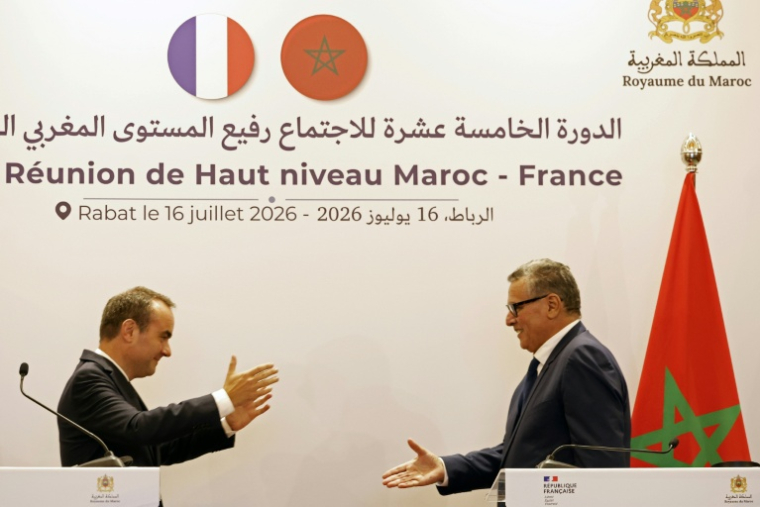
However, shadows of past controversies lingered as an international media consortium published fresh reports alleging Morocco’s extensive use of the Pegasus spyware, prompting denials from Rabat. The planned joint press conference between Lecornu and Moroccan Prime Minister Aziz Akhannouch was downgraded to a brief statement without a Q&A session.
Unprecedented partnership framework
Both governments refrained from commenting on the allegations, with French officials dismissing the reports as outdated. The French delegation emphasized the broader goal of strengthening cooperation and trust with Moroccan authorities.
In a message commemorating France’s Bastille Day, King Mohammed VI highlighted the “consolidation” of the two nations’ “privileged relations.” This partnership could soon lead to a historic state visit by the Moroccan monarch to France and the signing of a groundbreaking treaty—the first of its kind between France and a non-EU nation, according to Lecornu, though no date has been set for the visit.
Lecornu, accompanied by twelve ministers including Foreign Affairs Minister Jean-Noël Barrot and Interior Minister Laurent Nuñez, underscored the centrality of Africa in France’s foreign policy, particularly in countering the jihadist threat in the Sahel region.
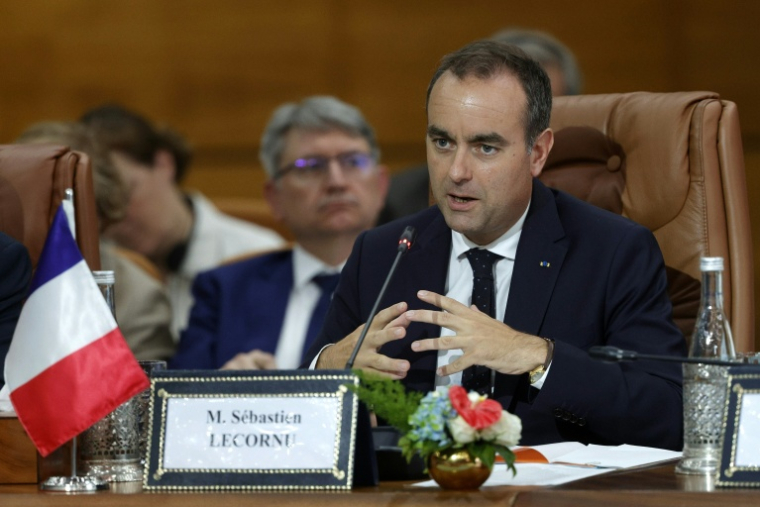
The 15th edition of the high-level bilateral dialogue—a forum dormant since 2019—was revived, with Lecornu describing it as a “turning point” and calling for a strategic upgrade in bilateral ties, particularly in security and counterterrorism cooperation.
Addressing visa policies that sparked tensions in 2021 and 2022, when France halved visa issuance to Moroccan nationals, Lecornu pledged to facilitate “circular mobility” across the Mediterranean, prioritizing entrepreneurs and students.
Strengthened security and economic cooperation
Lecornu praised the “outstanding cooperation” between French and Moroccan security services, citing recent unprecedented operational successes in combating organized crime and drug trafficking. He also stressed the importance of Africa, where both nations face significant jihadist challenges in the Sahel.
Aziz Akhannouch welcomed the partnership as one grounded in “shared strategic vision, mutual trust, and common ambition.” Morocco has since become a priority for France’s diplomatic engagement in the Maghreb, with Paris no longer prioritizing a balanced approach vis-à-vis Algiers.
On regional security, particularly in the Sahel, France appears to be leaning more heavily on Morocco as Algeria remains reluctant to share intelligence, despite the resumption of French-Algerian cooperation.
A dozen agreements were signed during the meetings, including an initiative to explore electrical interconnection between the two countries. Morocco also finalized loan agreements with the French Development Agency for water infrastructure and a regional express rail project in Rabat.

 Boureima Amadou