Boureima Amadou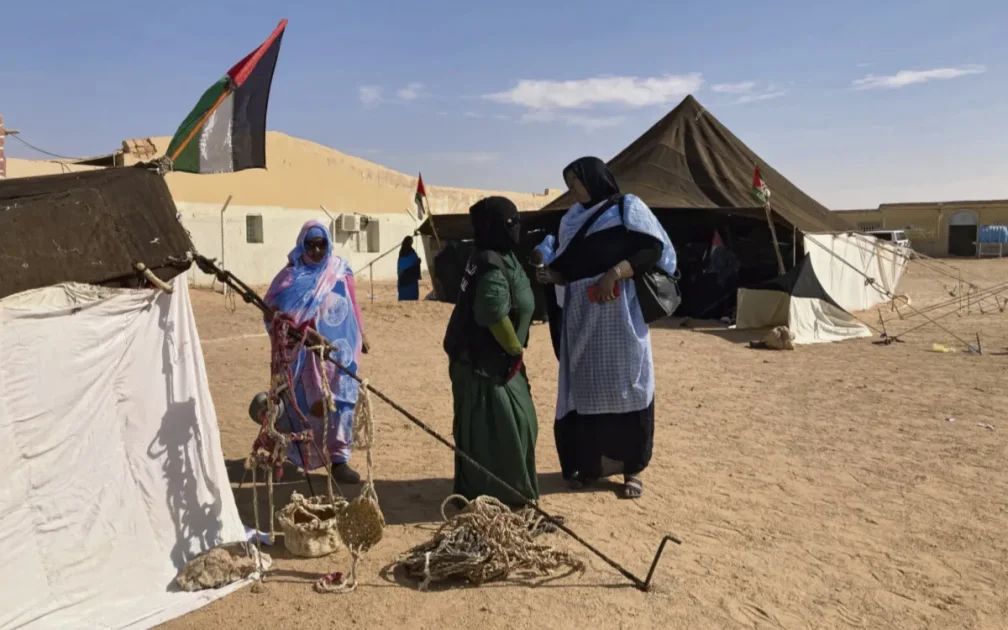
Polisario faces Morocco’s military dominance amid isolated diplomacy

The Polisario Front continues to advocate for dialogue with Rabat despite losing a key military leader in a Moroccan precision strike. This contradictory stance reveals the movement’s growing military inferiority and diplomatic isolation in the face of overwhelming opposition.
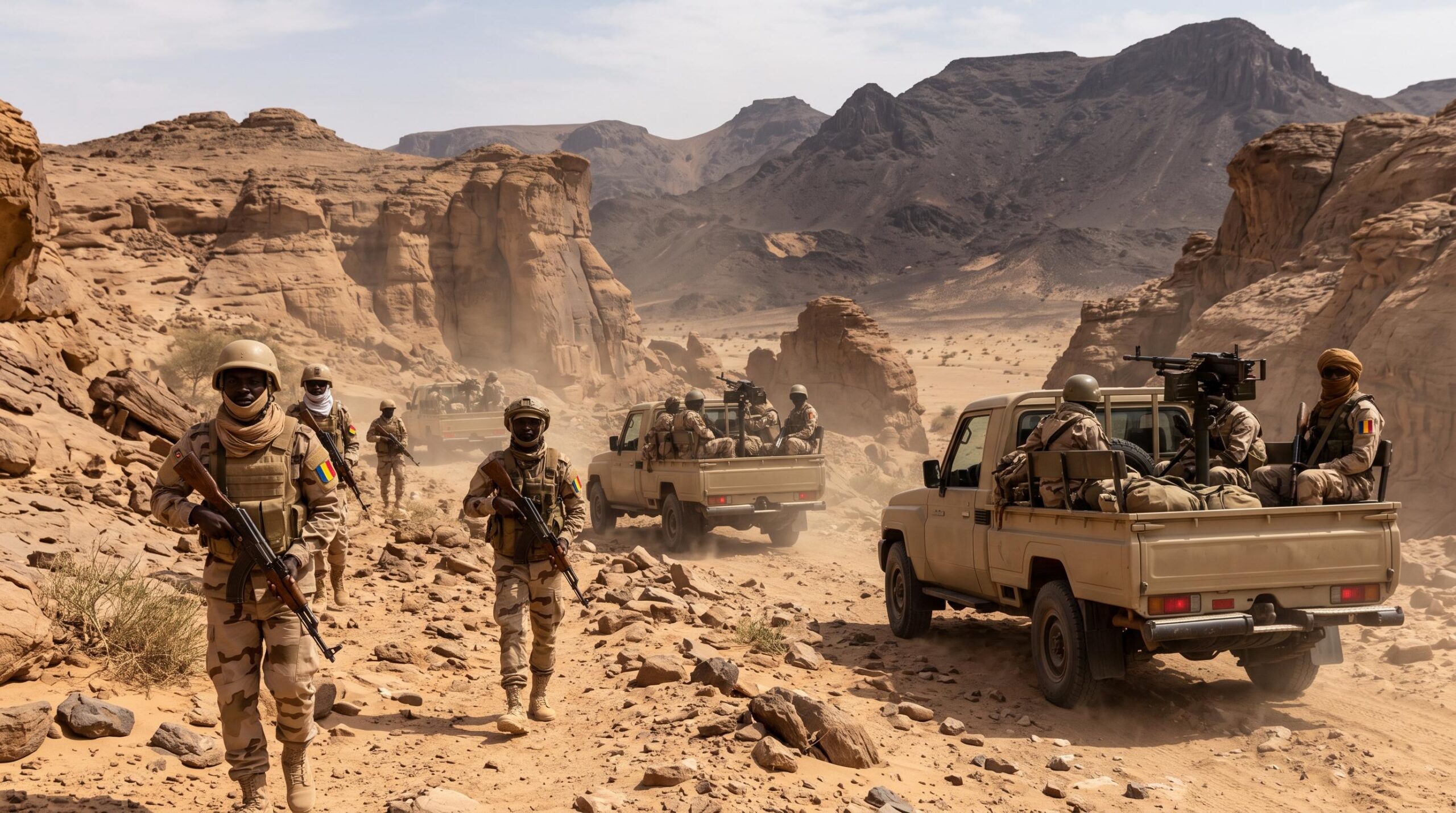
The death of Lahbib Mohamed Abdelaziz, a prominent figure in the Sahrawi army and son of the Polisario’s former president, starkly highlights the movement’s current predicament. Struck down by a high-precision drone strike during a withdrawal operation, his death adds to the dozens of casualties inflicted by Morocco’s advanced aerial capabilities in recent years. Historically dependent on outdated, modified vehicles, the Polisario now faces an insurmountable technological gap that renders their traditional tactics obsolete.
Abdoullah Arabi, the Polisario’s representative in Spain, acknowledges the movement’s willingness to engage in dialogue ‘under all possible circumstances,’ despite mounting military setbacks. This policy of engagement persists even as the group’s diplomatic leverage diminishes. In April, Polisario leader Brahim Ghali struck a conciliatory tone from the Tindouf camps in Algeria, home to 175,000 displaced persons, stressing his movement’s desire to act as a peaceful partner while demanding adherence to United Nations resolutions.
Yet this apparent flexibility masks a stark reality: international isolation has intensified. With limited geostrategic significance in global affairs, Morocco has successfully secured support from major Western powers, including the United States and France. Even Spain, which had previously maintained a neutral stance, officially endorsed Morocco’s autonomy plan in 2022—a decision sharply criticized by Polisario representatives who accuse Madrid of double standards when Sahrawi lives are at stake.
Geographically, the Polisario’s situation is equally dire. The 1980s-era sand berm, a massive fortified barrier stretching across the disputed territory, remains a nearly impassable obstacle. This man-made division splits the 250,000-square-kilometer region, confining the movement to just 20% of the landlocked interior. Despite the resilience championed by activists like Aminatou Haidar, local expertise in desert warfare is no match for Morocco’s modern military infrastructure and technological superiority.