Mariama Hamani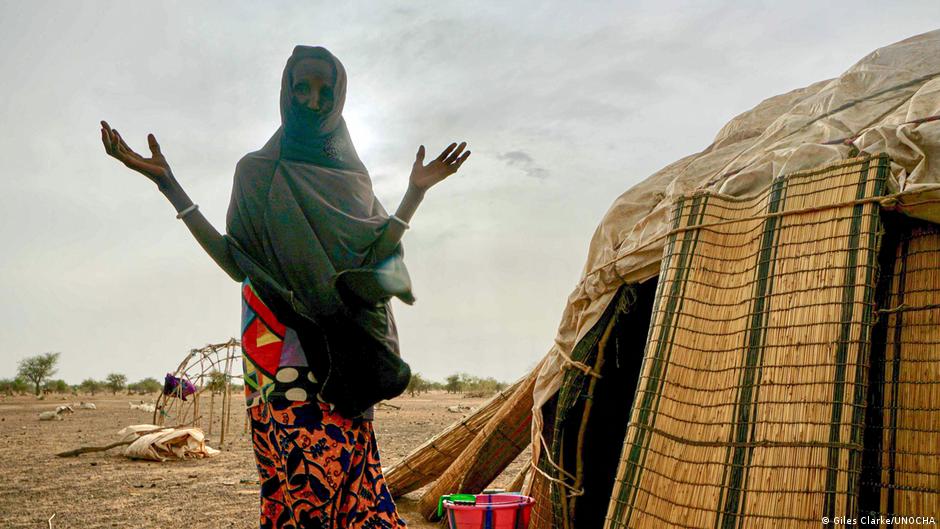
one in five people in Sahel faces hunger amid rising crises
In 2025, the Sahel region witnessed a deepening food security crisis, with one in five residents experiencing hunger, according to the latest assessment on global food security and nutrition. The situation has worsened over the past 15 years, raising urgent concerns about the region’s ability to sustain its population.
Root causes behind the Sahel’s food crisis
The escalating food insecurity in the Sahel stems from multiple intertwined factors. Protracted conflicts have disrupted agricultural activities and displaced millions, particularly in northern Mali. These movements have strained resources in safer regions like Bamako and Sikasso, where host communities already face their own challenges.
Climate change further compounds the crisis, with erratic rainfall and recurring droughts destroying crops and livestock. The region’s vulnerability to environmental shocks has led to declining food production, pushing communities deeper into poverty and hunger.
Adding to the burden is a severe funding shortfall. International aid, which once provided critical support, has dwindled. Without adequate resources, humanitarian organizations struggle to deliver life-saving interventions, leaving millions without access to food or nutritional assistance.
Northern Mali: at the heart of the emergency
The northern regions of Mali remain the epicenter of the crisis. Jihadist violence has made these areas nearly inaccessible, forcing residents to flee southward. The displacement has overwhelmed urban centers and neighboring districts, where displaced families often rely on limited aid to survive.
In these conflict zones, malnutrition rates have surged. Women and children are particularly affected, with thousands facing acute food shortages. The situation demands urgent, coordinated action from government agencies, NGOs, and international partners to restore stability and protect vulnerable populations.
What’s needed to turn the tide?
To address the crisis, experts emphasize the need for stronger political leadership. Governments must prioritize food security in their policies, ensuring that resources are allocated effectively. Reliable data and strategic planning are essential to guide interventions and maximize impact.
Enhancing resilience is also critical. This includes investing in climate-smart agriculture, improving access to markets, and supporting local communities to adapt to changing conditions. Long-term solutions must go beyond emergency aid, focusing on sustainable development and economic empowerment.
The scale of the challenge is immense. Currently, 57 million people in West and Central Africa face food insecurity, including 24.3 million in the Sahel. Yet, only 21% of the required $3.7 billion has been mobilized. This funding gap leaves millions without the support they desperately need.
Among the most vulnerable are 11.3 million children and women at risk of malnutrition. Without immediate action, the crisis will continue to escalate, with devastating consequences for generations to come.
Call to action: a shared responsibility
The fight against hunger in the Sahel is not just a regional issue—it is a global responsibility. Governments, donors, and humanitarian organizations must unite to bridge the funding gap and implement long-term solutions. Every effort counts in ensuring that no family in the Sahel is left behind in the struggle for survival.


 Boureima Amadou