Boureima Amadou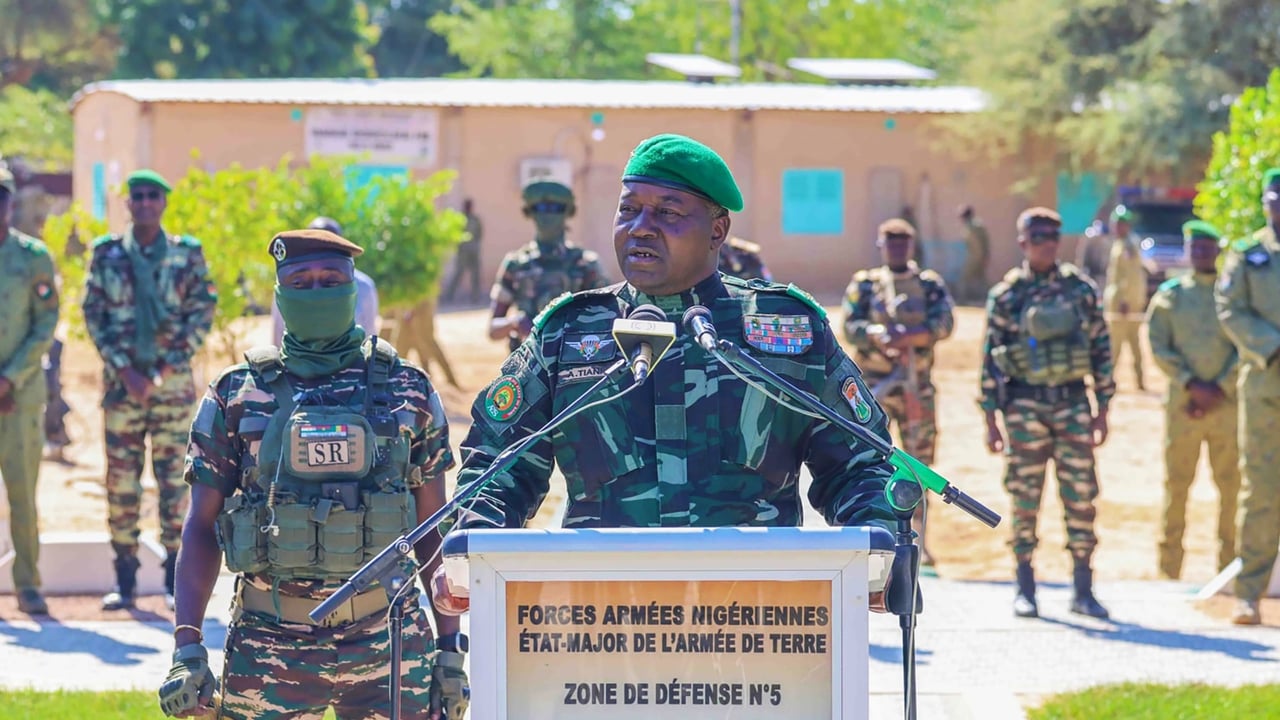

The night of January 28-29, 2026, will be etched in Niger’s contemporary history. Dozens of fighters from the Islamic State in the Greater Sahara (ISGS) launched an unprecedented assault on the heart of Niamey, targeting both the international airport and the adjacent 101 military base. The assailants unleashed heavy gunfire at civilian aircraft and set military vehicles ablaze, capturing the chaos in a video subsequently disseminated online. This brazen attack has reignited debates about the effectiveness of Niger’s security strategy under President Abdourahamane Tiani’s leadership.
Assessing the security situation in Niger: a critical overview
Since taking office, President Tiani has positioned himself as a decisive leader in the fight against terrorism in the Sahel region. However, the January assault raises pressing questions: Is Niger truly making progress in combating insurgencies, or are militant groups growing bolder under the current administration? Analysts point to several key factors that paint a complex picture of the nation’s security landscape.
Key challenges in Niger’s counter-terrorism efforts
- Escalating militant activity: The ISGS, a splinter group of the Islamic State, has intensified its operations along Niger’s borders with Mali and Burkina Faso. The January attack on Niamey symbolizes a dangerous shift from rural insurgencies to urban warfare.
- Resource constraints: Despite international support, Niger faces significant limitations in military equipment, training, and intelligence capabilities. The country’s vast, porous borders make it difficult to monitor and prevent cross-border threats.
- Public perception and trust: Reports of military setbacks and civilian casualties have fueled skepticism about the government’s ability to protect its citizens. Trust in security forces is waning, particularly in regions hardest hit by violence.
Government responses and strategic initiatives
In response to the escalating threats, President Tiani’s administration has implemented several measures aimed at bolstering national security:
- Military modernization: Efforts to upgrade equipment and enhance troop training have been prioritized, with a focus on improving coordination with regional allies such as the G5 Sahel Joint Force.
- Community engagement: Recognizing that military action alone is insufficient, the government has launched programs to engage local communities in counter-terrorism efforts, emphasizing dialogue and collaboration.
- International partnerships: Strengthening ties with global partners, including the United Nations and the European Union, has provided critical logistical and financial support to Niger’s security apparatus.
What the January attack reveals about Niger’s security vulnerabilities
The brazen assault on Niamey’s airport and military base serves as a stark reminder of the persistent threats facing Niger. While the government has made strides in certain areas, the attack underscores the need for a more comprehensive and adaptive security strategy. The following points highlight critical vulnerabilities that must be addressed:
- Intelligence gaps: The ability of militants to infiltrate and execute such a high-profile attack suggests significant gaps in intelligence gathering and sharing.
- Urban security gaps: The targeting of critical infrastructure in Niamey reveals weaknesses in urban security measures, necessitating a reevaluation of protection protocols.
- Regional cooperation: The transnational nature of terrorism in the Sahel demands stronger collaboration with neighboring countries to curb the movement of armed groups across borders.
Looking ahead: can Niger turn the tide?
The path forward for Niger is fraught with challenges, but opportunities for progress exist. President Tiani’s leadership will be tested as he navigates the complexities of balancing military action with diplomatic and community-based solutions. Success will hinge on several key factors:
- Enhanced intelligence sharing: Developing robust intelligence networks and fostering trust with local populations can help preempt future attacks.
- Investment in technology: Leveraging advanced surveillance and communication technologies can improve the military’s response capabilities and situational awareness.
- Sustainable development: Addressing the root causes of insurgency—such as poverty and lack of opportunities—through economic and social programs can reduce recruitment by militant groups.
As Niger grapples with these pressing issues, the international community continues to watch closely. The effectiveness of President Tiani’s strategies will not only shape the future of Niger but also influence the broader security dynamics of the Sahel region. The January attack serves as a sobering reminder that the battle against terrorism is far from over—and the stakes could not be higher.

 Mariama Hamani