Boureima Amadou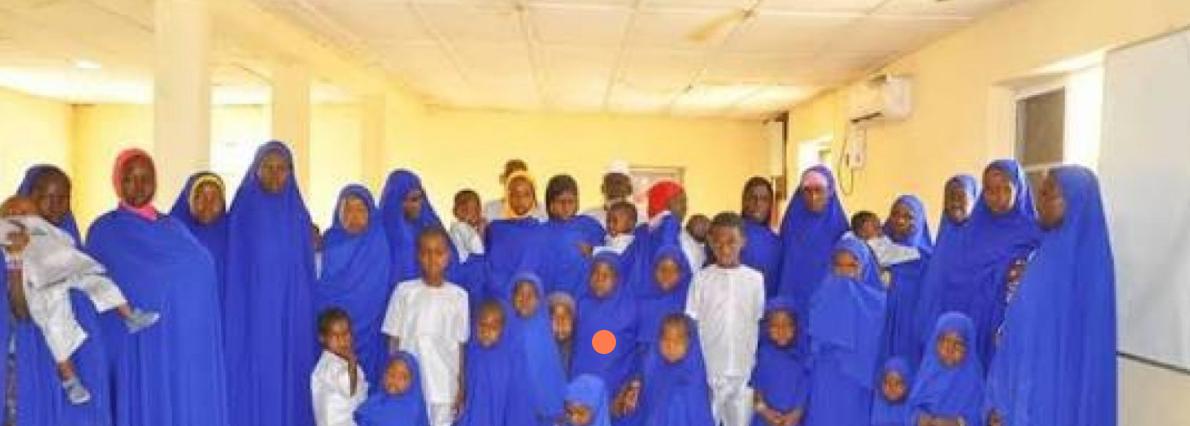
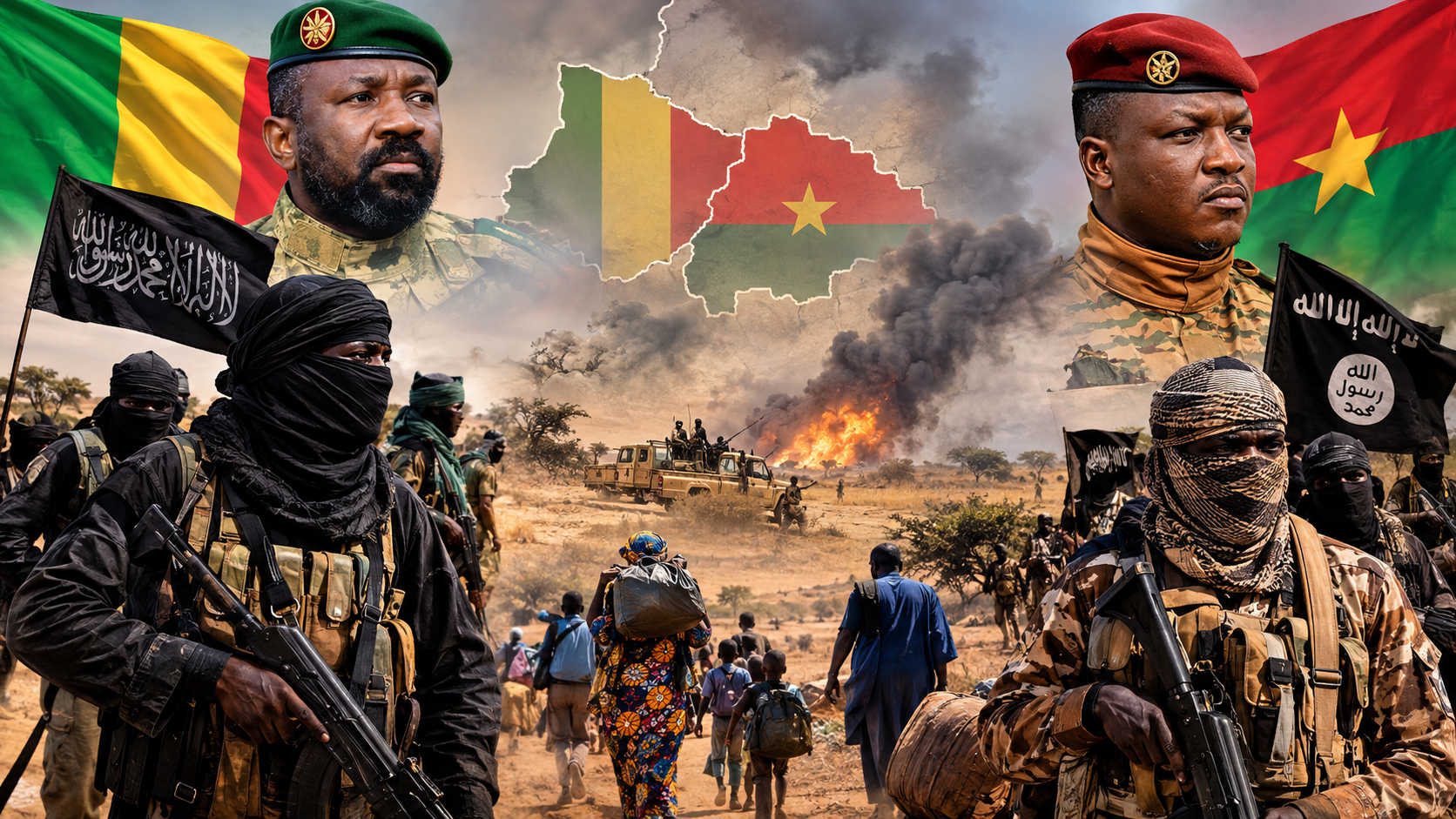
In a significant breakthrough, Nigerian military forces have successfully rescued 47 hostages, predominantly women and children, who were being held captive by the Islamic State’s West Africa Province (ISWAP) in the volatile Borno State. This daring rescue operation unfolded during a large-scale military offensive targeting extremist strongholds near the Chad Basin, marking a critical step in the ongoing battle against insurgency in Nigeria’s northeast.
Operation Hadin Kai: A coordinated assault on terror
The liberation of these civilians was not accidental but the result of meticulously planned military operations. Over recent weeks, the Nigerian Army has intensified its efforts in the Kukawa Local Government Area, particularly around the Kangarwa region—a known ISWAP stronghold. This area has long served as a refuge for the terrorist group, exploiting the region’s rugged terrain and porous borders to carry out attacks and conceal hostages.
According to military sources, the operation combined ground assaults with precision airstrikes, overwhelming the extremists. Under relentless pressure from the Operation Hadin Kai forces, ISWAP fighters were forced to abandon their defensive positions, creating an opening for the captives to escape after months of captivity.
Women and children: ISWAP’s most vulnerable targets
The majority of the rescued individuals—nearly all 47—were women and young children. This pattern underscores the brutal tactics employed by ISWAP and other jihadist factions like Boko Haram, which frequently target vulnerable communities in isolated villages. Hostages are often subjected to forced labor, used as human shields, or coerced into marriages, highlighting the extreme vulnerability of civilians caught in the crossfire.
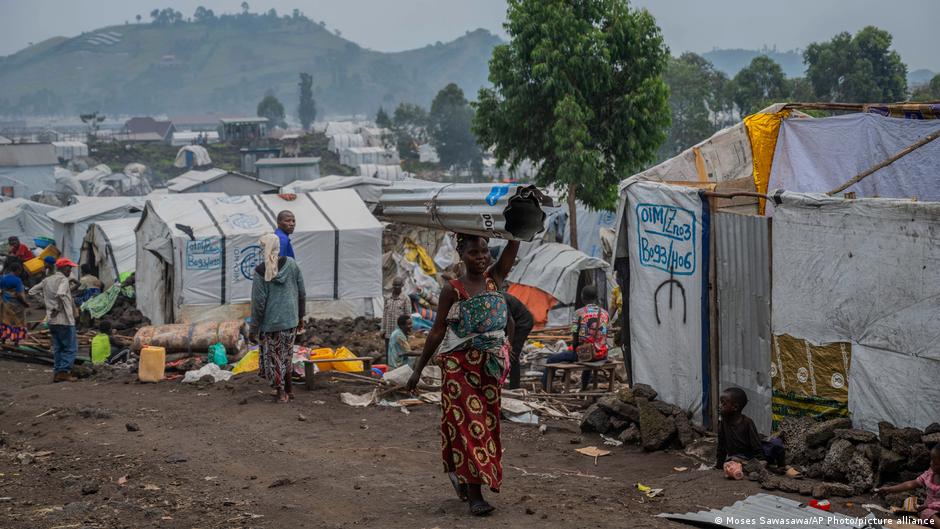
Following their liberation, the survivors received immediate medical attention, including emergency care, comprehensive health assessments, and psychological support to address the trauma of captivity. Military authorities are working closely with humanitarian agencies and the Borno State government to facilitate logistical assistance and reunite the freed individuals with their families.
The Chad Basin: A battleground for regional security
This rescue mission is part of a broader military strategy aimed at crippling ISWAP’s logistics network in the Chad Basin region. The Nigerian Army, sometimes in collaboration with regional partners like the Multinational Joint Task Force (MNJTF), is shifting its approach from a purely defensive stance to proactive deep incursions into insurgent-held territories like Kangarwa.
While recent successes—including other high-profile rescues in the Mandara Mountains—demonstrate progress, security analysts caution that the threat remains far from neutralized. ISWAP’s ability to launch asymmetric attacks and deploy improvised explosive devices continues to pose a significant risk to civilian safety and the broader stabilization efforts in the region, where millions of internally displaced persons are still struggling to rebuild their lives.
A victory for civilians, a step toward lasting peace
The liberation of the 47 hostages from Kangarwa is a testament to the renewed effectiveness of Nigeria’s air-ground coordination in Borno State. For these women and children, the operation signifies the end of a harrowing ordeal and the beginning of a long journey toward healing and recovery. For the Nigerian government, it reaffirms that reclaiming territories under jihadist control remains an absolute priority.
However, transitioning from military victory to durable peace and full regional security will require sustained political and humanitarian efforts. The road ahead is challenging, but this rescue operation offers a glimmer of hope in a conflict that has devastated communities for over a decade.