Mariama Hamani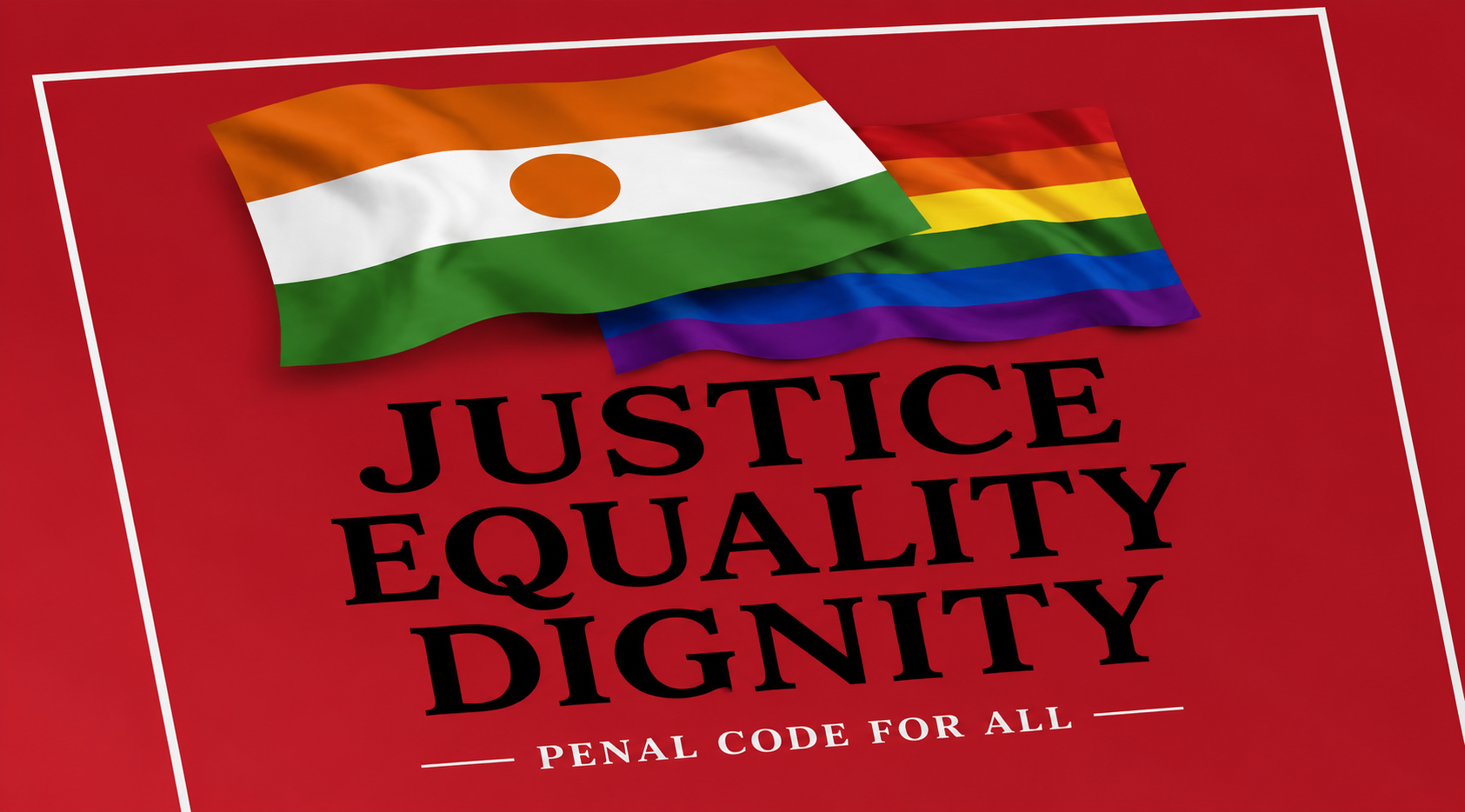
Niger introduces harsh penalties for LGBTQIA+ activities
Niger has enacted a sweeping legal overhaul, criminalizing same-sex relations and LGBTQIA+ advocacy—a move that fundamentally reshapes the country’s judicial landscape. The military-led government quietly ratified the new Penal Code in February, embedding severe penalties that include imprisonment and substantial fines into national law.
Key provisions of the revised legislation
Published in the official gazette, the updated code does more than prohibit homosexual acts; it broadens the scope of punishable offenses:
- Basic penalties: Individuals convicted of engaging in or attempting to engage in what the law terms “indecent or unnatural acts” or LGBTQIA+ practices face between 5 to 10 years in prison.
- Aggravated circumstances: Penalties escalate to 20 years imprisonment for specific violations, including participation in or facilitation of same-sex relationships or support structures.
- Massive fines: Financial penalties reach up to 500 million CFA francs (approximately €750,000), with no provision for leniency or suspended sentences.
- Crackdown on advocacy: The law criminalizes involvement in LGBTQIA+ organizations, clubs, or associations, as well as participation in same-sex marriages. Organizers and even witnesses of such unions are subject to identical sentences.
Government defends reform as cultural preservation
Proponents of the new law frame it as an alignment with Niger’s sovereign values and traditional cultural norms. Justice Minister Alio Daouda emphasized the government’s commitment to preserving social cohesion:
« Our legal framework must reflect the ethical and cultural foundations of our society. »
This stance aligns with the junta’s broader agenda, which has increasingly distanced itself from perceived Western influence. In 2024, the administration took steps to curtail sexual education programs in schools and restricted access to reproductive health apps, citing their incompatibility with the country’s predominantly Muslim and conservative identity.
Regional trend toward stricter anti-LGBTQIA+ laws
Niger is not alone in tightening restrictions. The country joins a growing list of West African nations adopting punitive measures against LGBTQIA+ identities, driven by political transitions and religious pressures:
- Niger (February 2026): Transitioned from legal ambiguity to one of the region’s harshest regimes, with a maximum penalty of 20 years in prison under aggravated circumstances.
- Senegal (May 2026): Doubled existing penalties for “unnatural acts,” raising the maximum sentence to 10 years.
- Burkina Faso (2025): Codified criminalization of homosexuality last year, setting a maximum penalty of 5 years.
- Ghana (2024–2026): After protracted legislative battles, the country now criminalizes same-sex relations and advocacy, imposing sentences of 3 to 5 years.
Human rights advocates warn of escalating risks
International and local NGOs have condemned the new law, citing heightened threats to an already marginalized community. Advocates warn of increased violence, false accusations, and extortion targeting LGBTQIA+ individuals. Humanitarian workers express particular concern over the law’s impact on public health, fearing it will drive vulnerable groups into secrecy and hinder HIV prevention efforts.
With over 30 African nations now criminalizing same-sex relations, Niger’s alignment with the continent’s most repressive jurisdictions underscores a broader regional shift toward conservative legal frameworks.

 Boureima Amadou