Boureima Amadou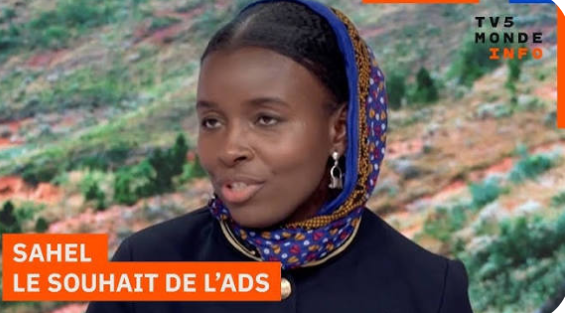
Niger’s transitional authorities revoke citizenship of influential opposition figure
The Nigerien government has taken a bold step by stripping Dr. Mayra Djibrine, president of the Alliance des démocrates du Sahel (ADS), of her Nigerien nationality through an official decree. The decision, targeting a prominent political figure based in Brussels, underscores a tightening regulatory environment against dissenting voices abroad. The move has ignited fierce debates across Niamey, with citizens divided between support for state authority and concerns over its implications for individual freedoms.
A landmark decision with far-reaching consequences
Niger’s political and legal landscape has entered uncharted territory following the formal withdrawal of Dr. Djibrine’s citizenship. As a respected academic and leader of the ADS, an organization operating from Belgium, she now faces the loss of civic and political rights tied to her Nigerien heritage. Authorities cited her activities as “actions contrary to the strategic interests and sovereignty of Niger.”
Over recent months, the ADS intensified its criticism of the transitional government’s policies, advocating in European forums for a swift return to constitutional order. From Niamey’s perspective, these actions from abroad are viewed as an attempt to destabilize the nation, justifying the use of a 2024 decree that allows for citizenship revocation in cases of treason or threats to national defense.
Mixed reactions in Niamey: patriotism vs. legal concerns
The announcement has sparked lively discussions in Niamey, from bustling markets to quiet academic circles. Opinions remain sharply divided among ordinary citizens.
In the heart of Niamey’s Grand Market, Amadou, a textile vendor, voices strong approval: “The country stands at a defining moment in its history. We cannot tolerate citizens enjoying comfort in Europe while lobbying for sanctions against their own people. If you oppose Niger’s interests from abroad, you forfeit your right to call yourself Nigerien. This is a matter of loyalty.” His stance reflects a growing sentiment among some that national sovereignty demands unwavering allegiance, particularly during times of crisis.
Yet, not far away, in the academic district near Abdou Moumouni University, voices of concern grow louder. Fatouma, a public law student, warns of dangerous precedents: “This sets a harmful example. Revoking citizenship for political opinions—even those expressed overseas—violates fundamental rights. Nationality is not a privilege to be revoked at will. Today it’s Dr. Djibrine; tomorrow, who could be next?” Her apprehension resonates with many who fear the measure could erode democratic freedoms and social cohesion.
Legal ambiguity and diplomatic ripple effects
Legal experts in Niamey are examining the validity of this unprecedented action. While the transitional government argues that recent amendments to the nationality code by the National Council for the Safeguard of the Homeland (CNSP) justify the move, human rights advocates argue it contravenes international conventions ratified by Niger, which prohibit rendering individuals stateless.
Diplomatically, the decision sends a strong message to diaspora organizations and host nations, particularly in Europe. By targeting the ADS president in Brussels, Niger signals its determination to suppress political dissent, even beyond its borders, through the drastic measure of civic death.
Balancing state security and democratic freedoms
The revocation of Dr. Djibrine’s citizenship marks a significant escalation in Niger’s political control strategy. While some applaud the move as a defense of national integrity, others warn of the long-term consequences for democracy and individual liberties. As Niger redefines its internal alliances and governance, the tension between state security and citizen rights remains unresolved.