
 Mariama Hamani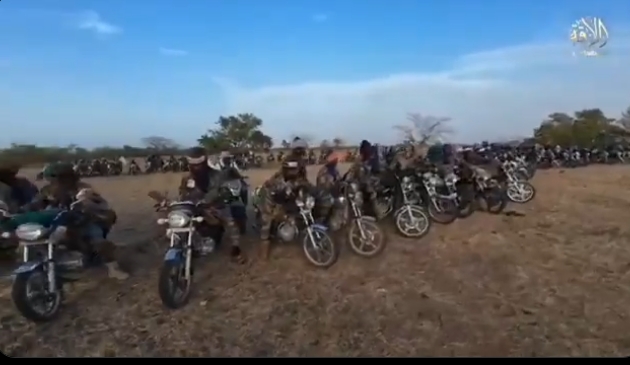
Bamako is grappling with heightened security concerns following the circulation of a new video by the Group for the Support of Islam and Muslims (JNIM), an Al-Qaïda affiliate operating in the Sahel. The footage, disseminated in the evening of June 11, 2026, depicts extensive military preparations and includes explicit threats of imminent operations targeting critical national infrastructure or state symbols.
Psychological warfare escalates as threats target intelligence officials
The video represents a calculated escalation in psychological warfare, with the JNIM directly naming two officers from Mali’s National Agency for State Security (ANSE). This move has reportedly placed them on a published “hit list,” deepening apprehension within the intelligence community in Bamako. Local observers note that such targeted intimidation has intensified fears of reprisals and further destabilized an already fragile security apparatus.
Military morale wanes amid rising desertion fears
The unfolding crisis has cast a spotlight on the morale of Mali’s armed forces (FAMa). Reports indicate growing reluctance among rank-and-file soldiers to engage in combat, particularly in the event of a coordinated JNIM offensive. To counter this trend, the transitional government has introduced exceptional combat bonuses, yet analysts argue that financial incentives alone cannot address the underlying crisis of confidence and exhaustion stemming from years of asymmetric warfare.
“Monetary incentives are no longer sufficient to offset the strategic deficits or the pervasive fear of an imminent escalation,” stated a regional defense specialist who requested anonymity.
Government elites respond with covert precautions
Unusual movements within the political and military elite over the past 48 hours have fueled speculation of high-level precautionary departures. Families of several senior officials, including incumbent ministers, are believed to have left the country, signaling a potential erosion of internal confidence in the state’s ability to safeguard the capital and its surroundings from the looming threat.
While no official response has been issued by the transitional authorities regarding the video or these departures, the developments underscore a broader sense of unease among those entrusted with governance. As the situation evolves, Bamako remains on tenterhooks, caught between the dread of further violence and the anticipation of decisive action from the transitional government.

 theafricantribune
 Boureima Amadou




