Boureima Amadou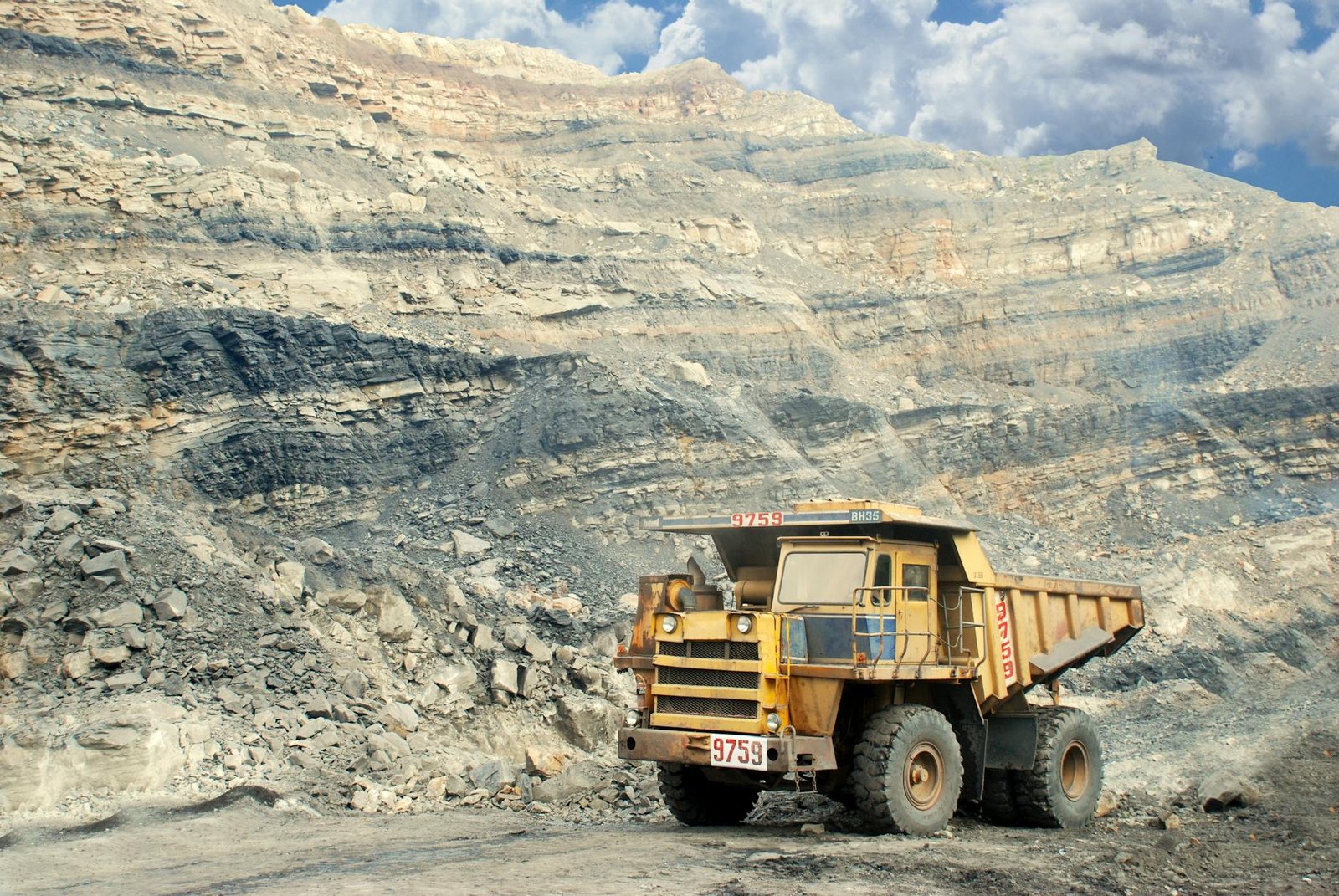
The Republic of Niger has formally inaugurated the Timersoï Uranium Mining Company (TSUMCO), a state-owned entity tasked with assuming control of uranium mining operations at Arlit in the northern Sahel region. This landmark move coincides with the termination of the long-standing concession previously held by the French group Orano — formerly Areva — over one of the Sahel’s most critical mineral basins. The decision aligns with Niamey’s broader strategy to reclaim sovereignty over its natural resources amid ongoing political transition.
TSUMCO: a new chapter for Niger’s uranium industry
TSUMCO’s establishment reflects a clear policy shift: the government is now taking direct operational control of the uranium value chain. The Arlit mining site, operational since the early 1970s, has historically been a cornerstone of France’s civil nuclear fuel supply. Transitioning its management from a foreign multinational to a national company represents a fundamental shift in capital structure — the Nigerien state, once a minority shareholder or technical partner, now assumes the role of lead operator.
This transition raises critical operational questions. Uranium extraction demands specialized expertise, strict radiological safeguards, and secure commercial pathways. TSUMCO must swiftly resolve key industrial decisions: reabsorbing the local workforce, maintaining aging infrastructure, and selecting suitable technical partners for processing and export. The success of this transition hinges on its ability to stabilize operations while safeguarding both workers and the environment.
Orano’s exit closes a decades-long chapter in Niger
The loss of the Arlit concession marks the conclusion of a 50-year chapter for Orano in Niger. The company, successor to Cogema and Areva, previously managed uranium mining through two key subsidiaries: the Société des mines de l’Aïr (Somaïr) and the Compagnie minière d’Akouta (Cominak), the latter having closed in 2021. Since the July 2023 coup d’état and the subsequent deterioration of relations between Niamey and Paris, the status of French mining assets in Niger has progressively unraveled.
The withdrawal of the Imouraren mining permit in 2024 signaled a turning point. The end of the Arlit concession now confirms that Niger is decisively turning away from its decades-long mining partnership with its former colonial-era ally. Legal contention may persist internationally, as Orano has already initiated arbitration proceedings on other Nigerien mining disputes, underscoring the high stakes of this shift.
Mining sovereignty and the search for new partnerships
The creation of TSUMCO is part of a sweeping regional trend. In Mali and Burkina Faso, transitional authorities are revising mining codes, renegotiating concession agreements, and increasing state participation in extractive projects. The tripartite alliance formed by these three countries — now consolidated under the Alliance of Sahel States (AES) — champions a sovereign-centered approach to mineral rents.
For Niger, this transition also means diversifying export markets. Nations such as Russia, China, Turkey, and several Gulf states are frequently cited as potential buyers for Sahelian strategic minerals. Niger’s uranium, which has supplied up to one-fifth of the European Union’s nuclear fuel needs in recent years, may now see its supply chains fundamentally restructured. Existing long-term contracts with EDF and other European utilities will need to be revisited under this new geopolitical framework.
The fiscal impact remains a key concern. While uranium has long been criticized for contributing relatively little to Niger’s public finances, direct state management could unlock higher margins — provided TSUMCO secures solvent buyers and maintains operational efficiency. In the short term, priorities include sustaining production, preserving local jobs, and ensuring radiological safety at the site. The entire process underscores a deeper geoeconomic realignment underway across central Sahel.
Beyond symbolism, TSUMCO’s launch places Niger on a demanding path: the rhetoric of sovereignty must now be matched by tangible industrial performance. The nation’s economic future, energy security, and regional influence may all hinge on its ability to navigate this transition with precision and resolve.


 Mariama Hamani