Mariama Hamani
The presidential election in Côte d’Ivoire unfolded under a cloud of heightened security, yet concluded without notable disruptions, according to early reports from across the country. Polling stations operated smoothly nationwide, with authorities implementing an intensified security protocol and heightened monitoring to prevent any escalation. By day’s end, no major incidents had been recorded, dispelling earlier concerns about possible communal or post-election violence that had loomed large in public discourse.
Election season fraught with risks for Ivorian stability
This electoral cycle represented a pivotal moment for Côte d’Ivoire, a nation still grappling with the legacy of the 2010–2011 post-election crises and the unrest that marred the 2020 vote. As West Africa’s largest economy, the stakes could not have been higher. Political factions, civil society groups, and international partners watched closely, fearing flare-ups—especially in urban areas known for political volatility. The campaign period saw sharp rhetorical exchanges and scattered protests, deepening mistrust between ruling and opposition camps.
To mitigate risks, security forces were deployed in force, joined by both national and international observers. Authorities and political leaders alike issued repeated calls for restraint, contributing to a relatively calm Election Day. The early hours following polling station closures offered a first sign that preventive measures had taken effect.
Voter turnout closely watched as results processing begins
While the voting process itself passed without major disruption, all eyes are now on the vote-counting and results consolidation phase—a stage traditionally fraught with controversy and potential unrest. The Independent Electoral Commission (CEI) faces the critical task of ensuring transparent and credible results. Any perception of irregularity could quickly erode public trust and inflame tensions far more than the election itself.
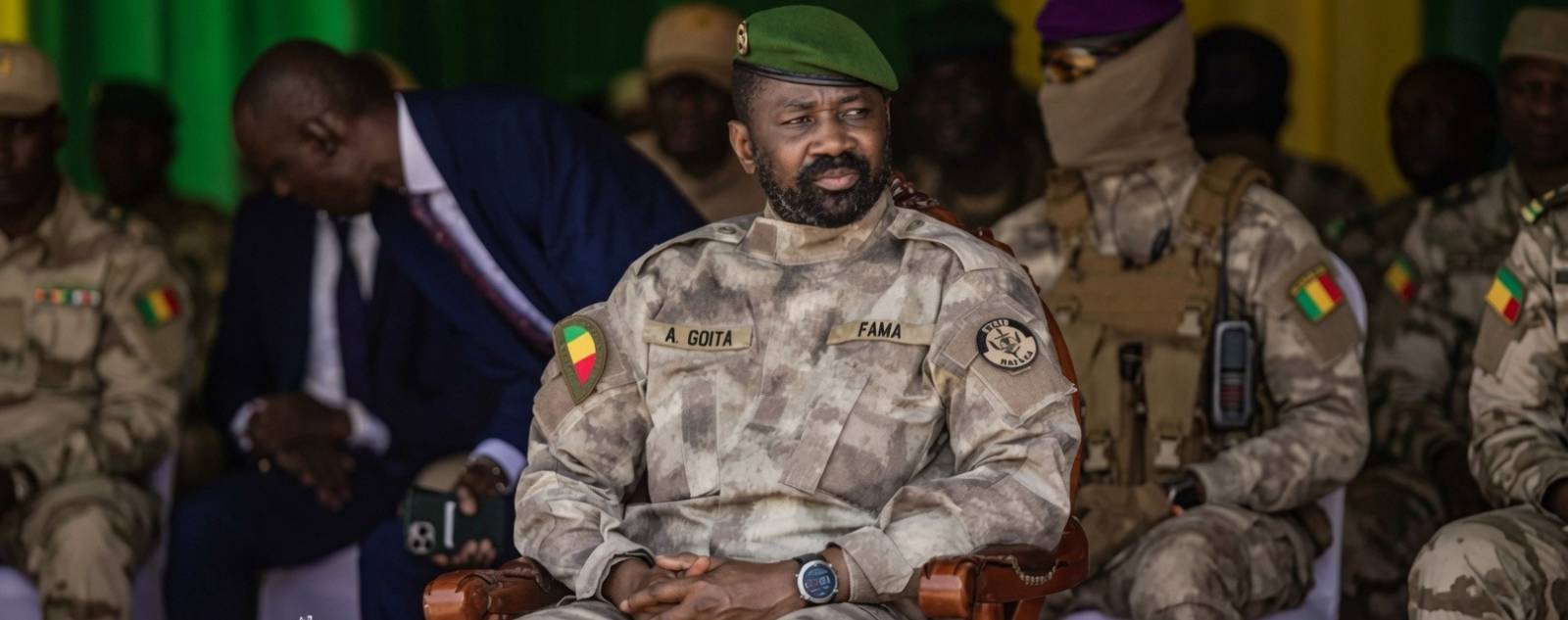
Diplomatic missions across Africa and the West, including representatives from the Economic Community of West African States (ECOWAS), are tracking developments closely. For Abidjan, the stakes extend well beyond national borders. Côte d’Ivoire serves as a cornerstone of regional stability in an increasingly fragile West Africa—one reshaped by military takeovers in neighboring Sahel states and shifting diplomatic alliances between Bamako, Ouagadougou, Niamey, and their coastal neighbors.
A barometer for West African democracy
The outcome of this election will resonate far beyond Côte d’Ivoire’s borders. In a subregion where several nations have recently experienced military coups, the mere conduct of a competitive and largely peaceful vote sends a powerful signal to the continent and the world. International investors, whose confidence underpins the country’s economic trajectory, are particularly attuned to the integrity of the process and the strength of the institutions that emerge from it.
The most critical phase is yet to come. The announcement of official results, their acceptance—or rejection—by defeated candidates, and the handling of any legal challenges before the Constitutional Council will serve as the true test of the nation’s democratic resilience. Recent regional precedents—from Senegal to Guinea-Bissau—have shown how quickly post-election dynamics can spiral if not managed with prudence and legitimacy.
The coming days will reveal whether Côte d’Ivoire can cement its reputation as a bastion of stability amid a West Africa rocked by political upheaval. While the calm observed during voting is an encouraging start, its durability will depend on the ability of institutions to resolve disputes equitably and transparently. The path ahead remains fragile, demanding steady leadership and unwavering institutional credibility.

 Boureima Amadou