Mariama Hamani
Niger records unprecedented displacement after southwest attacks
Hundreds of residents in Niger’s southwest have been forced from their homes following mid-July attacks on villages in the Dosso region, bordering Nigeria and Bénin. The violence disrupted critical farming activities and left at least three villages in Loga devastated after coordinated assaults on July 17, according to local officials.
The attacks resulted in dozens of civilian fatalities and injuries, with survivors fleeing toward Tahoua in the northwest and seeking refuge in Dogondoutchi, approximately 100 kilometers from Loga. State media attributed the violence to armed groups, though no official casualty figures have been released.
Escalating violence in a volatile border region
The Dosso region has become a focal point in Niger’s prolonged security crisis, with armed factions linked to Al-Qaïda and the Islamic State intensifying operations along the borders of Nigeria and Bénin. Authorities have repeatedly used the term “terrorists” to describe these groups, which have destabilized large parts of the country under military rule for the past three years.
The surge in displacements comes amid a broader humanitarian emergency. By 2025, internal displacement in Niger had exceeded 450,000 people, concentrated in conflict-affected regions such as Tillabéri, Diffa, and Tahoua. The escalation in violence along the Bénin-Niger-Nigeria tri-border area reflects a troubling trend highlighted by conflict monitoring organizations.
Humanitarian impact and regional spillover
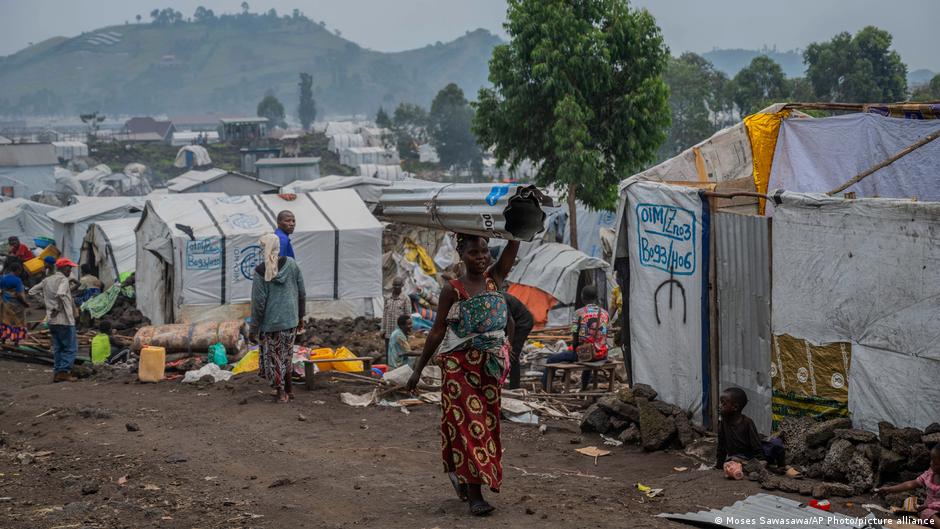
The timing of the attacks has compounded the crisis, occurring during a crucial agricultural period that sustains local livelihoods. Displaced families are now grappling with food insecurity and limited access to essential services as aid organizations struggle to respond.
With no immediate resolution in sight, the situation underscores the urgent need for coordinated regional and international efforts to address both the security vacuum and the growing humanitarian fallout.


 Boureima Amadou