Mariama Hamani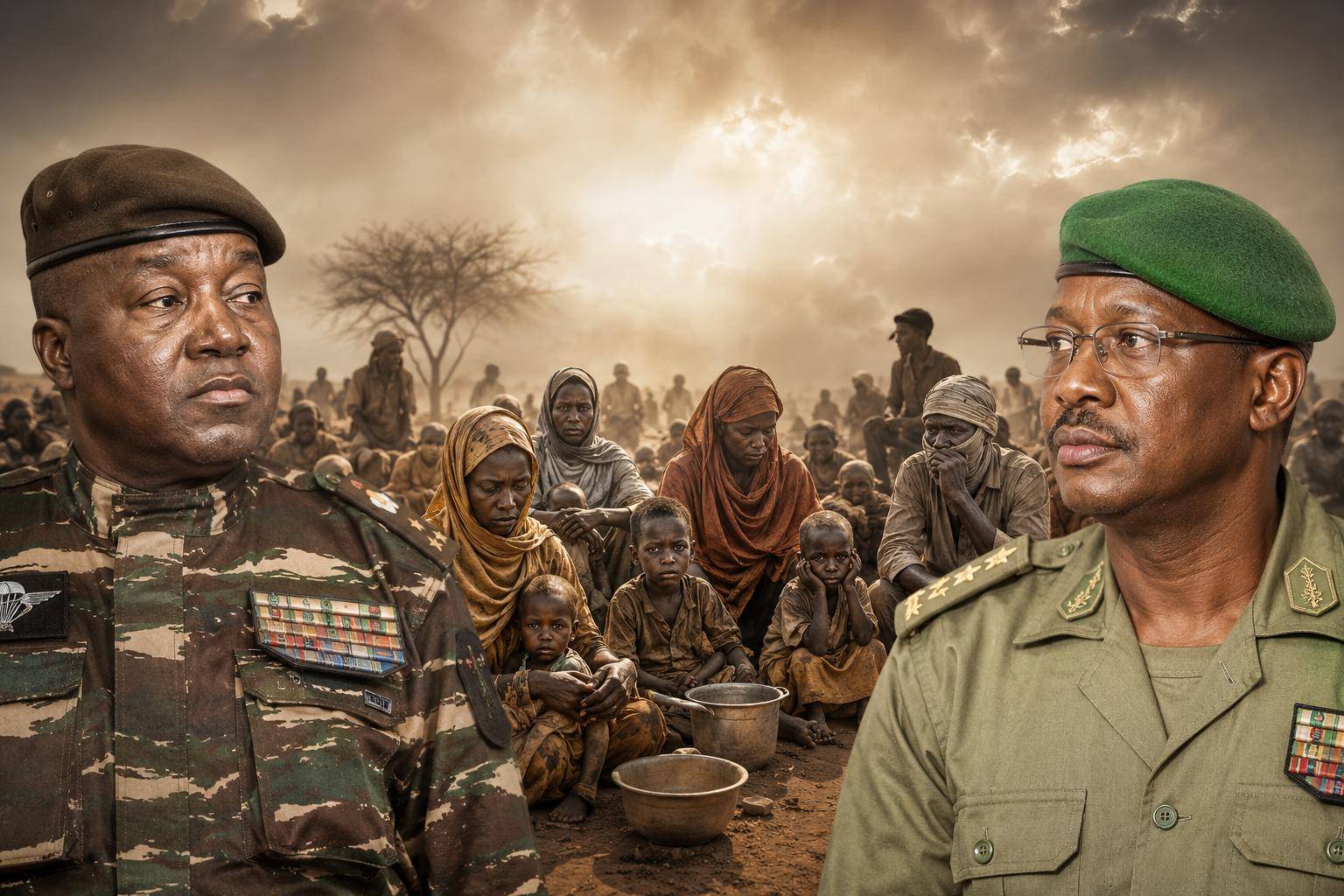
Military restructuring raises eyebrows over public funds and national priorities
The recent decision by Niger’s military command to split Operation Garkoi into two new tactical headquarters—Operation Akarasse along the Algerian border and Operation Klafoki along the Chadian frontier—has ignited sharp debate among security analysts and governance observers across the Sahel. While official statements emphasize improved efficiency and coordination, critics argue the move is little more than a costly bureaucratic maneuver masking deeper strategic failures.
A costly hierarchy in a nation in crisis
Analysts point to the ethical and financial contradictions of expanding military command structures at a time when Niger grapples with unprecedented social hardship. The creation of two parallel headquarters requires recruiting new high-ranking officers, detachment chiefs, and support staff—each position comes with salaries, allowances, and logistical demands. Critics describe this restructuring as a political tactic to reward loyalists with promotions and financial perks, all while the civilian population faces severe deprivation.
The contrast is glaring: as the military secures funding for lavish new command posts in Bilma and Arlit, teachers and civil servants remain unpaid for months, pushed into extreme poverty. Public outrage has grown over the apparent misallocation of resources—prioritizing military hierarchy over essential public services like education and healthcare.
Security collapse drives fragmented response
Beyond financial concerns, the military’s decision reveals a harsh reality on the ground: Niger’s armed forces are stretched dangerously thin. A centralized command structure would have sufficed if the security situation were stable. The need to establish two highly specialized, simultaneous operations signals that the threat posed by armed groups—including affiliates of Al-Qaeda, the Islamic State, and Boko Haram—has overwhelmed the existing framework. The fragmentation of troops across distant fronts underscores the expanding and intensifying nature of the insurgency.
Rather than a proactive strategy, the launch of Operation Akarasse and Operation Klafoki appears as a desperate, reactive measure. It places an unsustainable burden on taxpayers, deepens public suffering, and exposes the military’s vulnerability. The move underscores a troubling trend: a security apparatus in retreat, unable to protect its people or prioritize their needs.



 Boureima Amadou