Mariama Hamani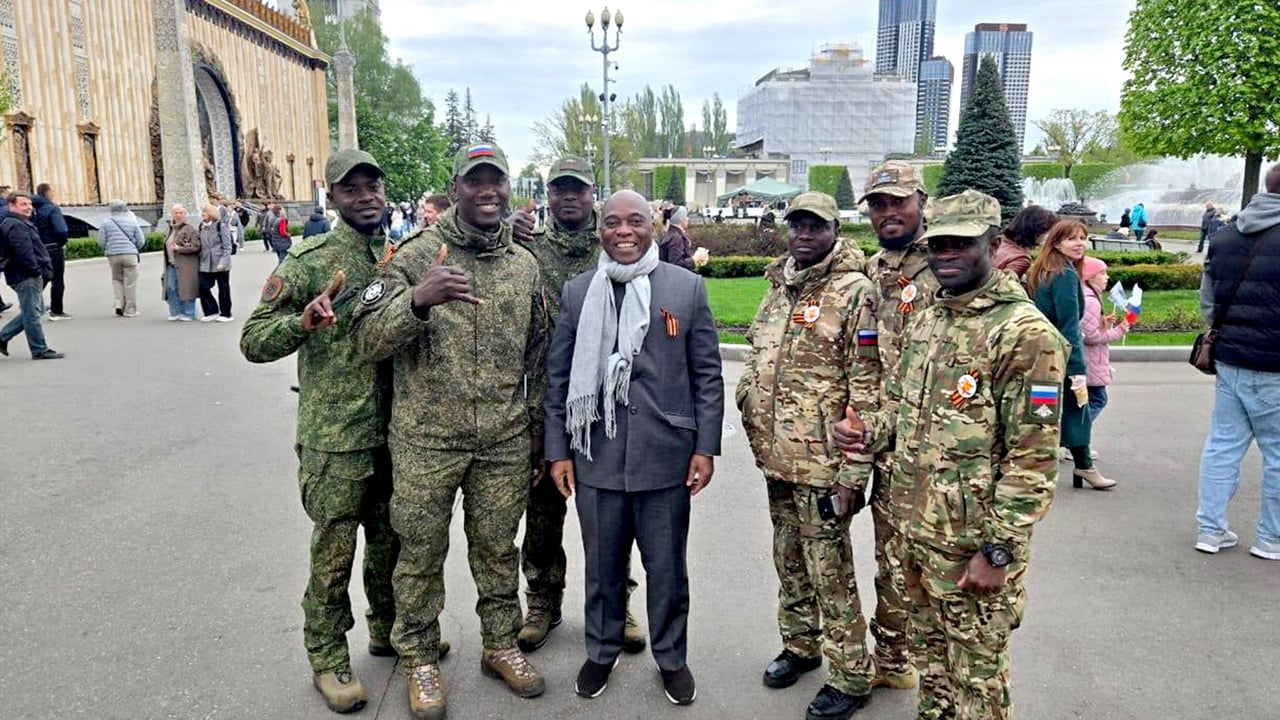

During an unannounced three-day visit to Moscow in early May 2026, Côte d’Ivoire’s Minister of Foreign Affairs, Ahoua Don Mello, engaged in high-stakes diplomatic exchanges away from the public eye. His itinerary deliberately avoided major announcements, signaling a strategic pivot in Abidjan’s foreign policy approach.
Diplomatic maneuvering behind closed doors
The minister’s journey unfolded amid growing geopolitical tensions, with regional alliances shifting and new economic partnerships emerging across Africa. While the official agenda remains undisclosed, insiders reveal discussions centered on bilateral trade, energy cooperation, and security partnerships. The absence of press releases suggests a focus on confidential deliberations rather than headline-grabbing declarations.
Observers note that this trip reflects Côte d’Ivoire’s broader strategy to diversify its international alliances beyond traditional partners. Moscow’s growing influence in West Africa has made it a key player in the region’s evolving diplomatic landscape, prompting Abidjan to reassess its global engagements.
Shifting alliances and regional implications
The timing of Don Mello’s visit coincides with renewed interest from global powers in securing trade agreements and resource access across the continent. Côte d’Ivoire, as a regional economic hub, finds itself at the center of these negotiations. By fostering ties with Moscow, Abidjan may be positioning itself to leverage alternative partnerships in energy, defense, and infrastructure development.
Analysts highlight the delicate balance Côte d’Ivoire must maintain between its traditional Western partners and emerging alliances. The absence of public statements suggests a deliberate effort to avoid provoking reactions from established allies while exploring new opportunities.
What’s next for Côte d’Ivoire’s foreign policy?
As Africa’s second-largest economy, Côte d’Ivoire’s diplomatic decisions carry significant weight. The outcomes of Don Mello’s Moscow meetings could shape the country’s economic trajectory for years to come. With regional dynamics in flux, Abidjan’s ability to navigate these complexities will determine its future role on the continent.
The minister’s discretion underscores the nuanced nature of modern African diplomacy, where strategic partnerships often unfold away from the spotlight. For now, the full extent of these discussions remains under wraps—but their implications could redefine Côte d’Ivoire’s place in the global arena.


 Boureima Amadou