Mariama Hamani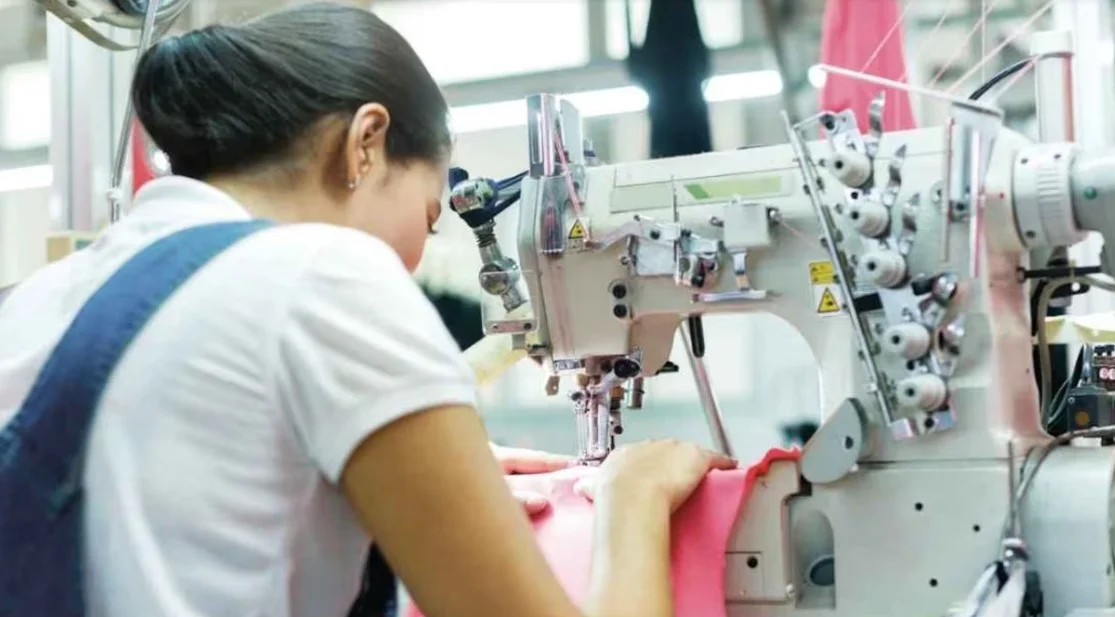
Morocco has forged a groundbreaking partnership with the World Bank, designed to propel the next phase of economic growth while embedding inclusive development at its core. Speaking at the announcement, Minister of Economy and Finance Nadia Fettah emphasized the urgent need to expand job opportunities for both young people and women across urban and rural landscapes.
The new framework represents a pivotal moment for the Kingdom, Fettah noted, highlighting its unique structure that harmonizes public and private financing with targeted reforms and shared strategic vision. «This partnership isn’t just about funding—it’s about building a sustainable ecosystem where every segment of society can thrive,» she explained.
This initiative aligns seamlessly with Morocco’s New Development Model, a bold blueprint aimed at fostering a more dynamic, equitable, and resilient economy. With youth and female employment remaining critical hurdles, the collaboration is poised to address systemic barriers head-on.
Three strategic pillars to transform Morocco’s economy
The partnership is built on three interconnected pillars:
- Boosting business competitiveness: Streamlining regulatory bottlenecks, fostering market competition, and unlocking financing avenues for small and medium-sized enterprises to fuel job creation.
- Building inclusive urban and rural hubs: Bridging geographical divides by enhancing market access and essential services in both cities and remote areas, ensuring no community is left behind.
- Empowering human capital: Investing in education reforms, expanding universal healthcare coverage, and broadening social protection systems to nurture a skilled, resilient workforce.
To execute this vision, the World Bank will deploy a multi-faceted approach, leveraging loans, technical expertise, and strategic private capital mobilization. «Together, we’re not just investing in infrastructure or policies—we’re investing in people,» Fettah added.

 Boureima Amadou