
 Mariama Hamani
Morocco’s Western Sahara leap: how a historic claim gained sudden global traction
For centuries, Morocco’s Alaouite dynasty has been celebrated as a pillar of stability in North Africa. Yet between 1884—when Spain began its colonial grip—and 1958, the monarchy remained conspicuously absent from Western Sahara, neither claiming the territory nor engaging with its people. This glaring historical void suddenly took a decisive turn in 2024, when Morocco’s long-standing Western Sahara claim gained unprecedented international momentum. The shift wasn’t just diplomatic—it was seismic, reshaping regional alliances and sparking fresh debates over sovereignty, self-determination, and the legacy of colonial borders.
The silent era: Morocco’s forgotten absence from Western Sahara
Western Sahara first appeared on the global map not through Moroccan initiative, but through Spanish colonial expansion in 1884. For decades, the Alaouite monarchy—-portrayed today as the territory’s historical sovereign—played no role in its affairs. Historical records reveal that no Moroccan ruler from the 17th century to the mid-20th century exerted control, issued decrees, or established administrative presence in Western Sahara.
This silence lasted until 1958, when Morocco finally asserted its claim, decades after Spain had established its occupation. The claim was not rooted in dynastic continuity, but in geopolitical timing—amid decolonization and rising nationalist movements across Africa.
The disconnect between historical reality and modern narrative has fueled a growing critique: if Morocco had no historical ties to Western Sahara before the 20th century, what legitimizes its claim today?
From diplomatic limbo to diplomatic breakthrough
For years, Morocco’s position on Western Sahara remained stalled—acknowledged by only a handful of countries, fiercely contested by others, and repeatedly vetoed in international forums. But 2024 marked a turning point. A coalition of African and Middle Eastern nations reversed decades of opposition, formally recognizing Morocco’s sovereignty over Western Sahara in a coordinated diplomatic surge.
This shift did not emerge from new historical evidence. Instead, it reflected a convergence of interests: Morocco’s strategic value as a counterweight to regional instability, its economic ties with Gulf partners, and its role as a pivot in trans-Saharan migration routes. The sudden realignment signaled not a resolution of the conflict, but a recalibration of global priorities.
Local voices in the shadow of geopolitical momentum
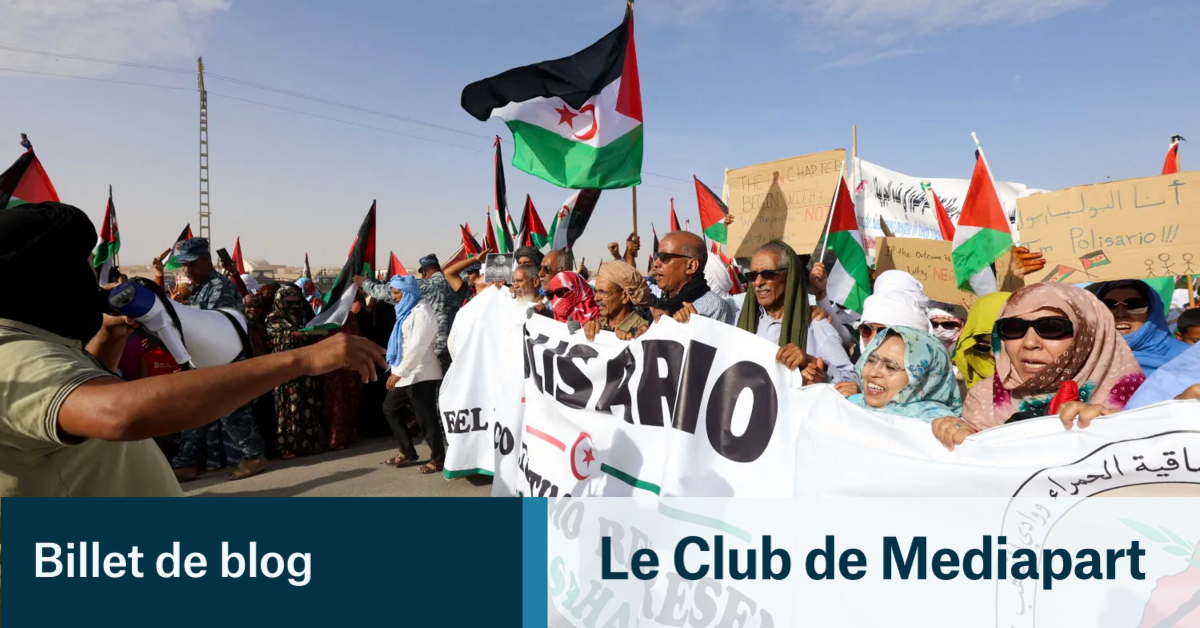
Amid the chorus of international endorsements, the voices of Sahrawis—many living under Moroccan administration in camps and cities—have been systematically sidelined. Reports from human rights observers and grassroots activists describe a pattern of exclusion: rallies banned, leaders detained, and dissent suppressed under claims of national security.
International observers warn that this diplomatic breakthrough risks entrenching a one-sided narrative. “Momentum is not legitimacy,” stated a UN human rights envoy earlier this year. “Without genuine consultation with the people most affected, any resolution will lack moral authority.”
The contradiction is stark: while global powers endorse Morocco’s claim, the Sahrawi population—over 500,000 people—remains without a recognized voice in the decision-making process that will shape their future.
What lies ahead: a path to resolution or a cycle of unresolved claims?
As Morocco celebrates its diplomatic gains, the Western Sahara question enters a volatile new phase. The path forward could lead to a negotiated settlement—or to deeper entrenchment. One thing is clear: the sudden global realignment has not resolved the core issue. It has merely shifted the balance of power—and the burden of proof—onto those who challenge Morocco’s narrative.
For the international community, the challenge is no longer whether to support Morocco’s claim, but whether to do so at the expense of the Sahrawi people’s right to self-determination—a right enshrined in international law and repeatedly deferred since the 1990s.
The leap in momentum is undeniable. Whether it leads to justice remains an open question.


 Boureima Amadou




