Boureima Amadou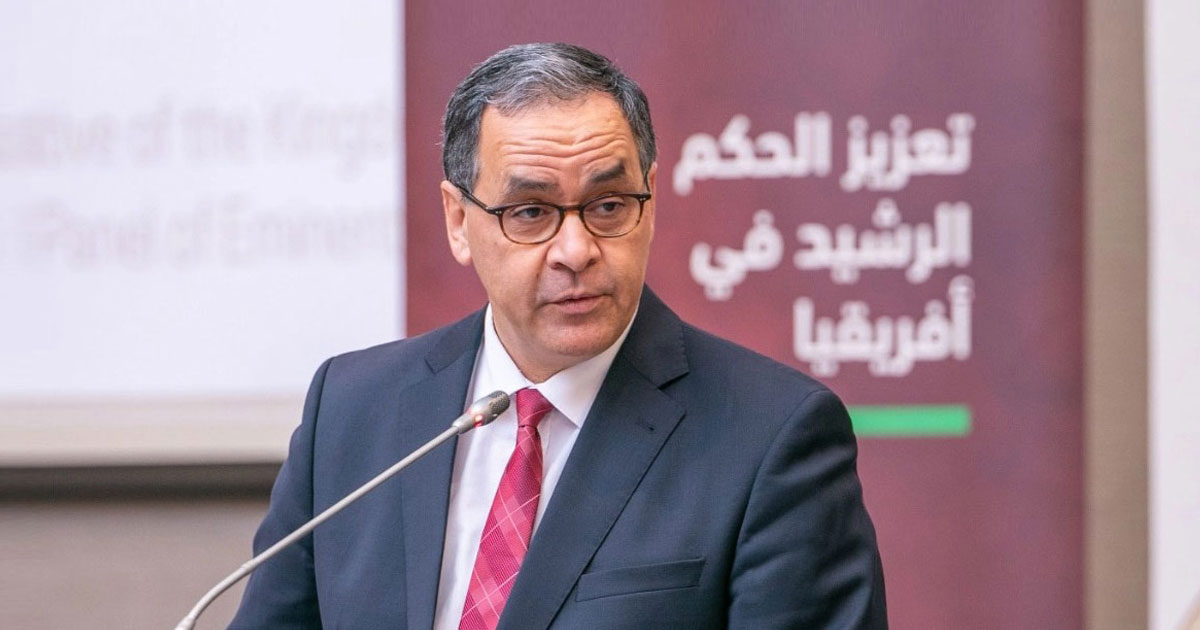
Morocco has once again expressed its firm commitment to a political resolution for the situation in Libya, this time before the African Union Peace and Security Council (AU PSC).
Speaking at an AU PSC meeting on Libya, Ambassador Mohamed Arrouchi, Morocco’s permanent representative to the African Union and the United Nations Economic Commission for Africa, reiterated the kingdom’s backing for national reconciliation efforts and inter-Libyan dialogue initiatives. The goal, he explained, is to consolidate achievements and encourage consensus among Libyan parties.
Arrouchi emphasised that the Skhirat Agreement, signed on 17 December 2015 as part of the reconciliation process under United Nations auspices, remains a credible framework and foundation for a lasting political solution to the Libyan crisis. He called for preserving Libya’s unity, sovereignty and territorial integrity as prerequisites for sustainable stability.
The diplomat also expressed Morocco’s appreciation, under the leadership of His Majesty King Mohammed VI, for the African Union’s sustained and ongoing efforts toward peace, security and stability on the continent — particularly those aimed at fostering a political solution to the Libyan crisis.
Arrouchi recalled the meetings held in Tripoli and Zenten that led to the signing of an agreement on 7 January 2026 in the Libyan capital between representatives of the Government of National Unity and the eastern-based government.
The ambassador further highlighted Morocco’s consistent role in accompanying Libya’s political process, working to bring the viewpoints of various Libyan parties closer together. Those parties, he noted, trust the kingdom’s mediating role.
These efforts, he observed, are carried out in line with international legality, the conclusions of the Skhirat Agreement and the Bouznika understandings, with the aim of fostering a Libyan-led solution acceptable to all sides. Morocco, he said, stresses the need to continue working toward a political settlement of the crisis, away from military options.



 Mariama Hamani