Mariama Hamani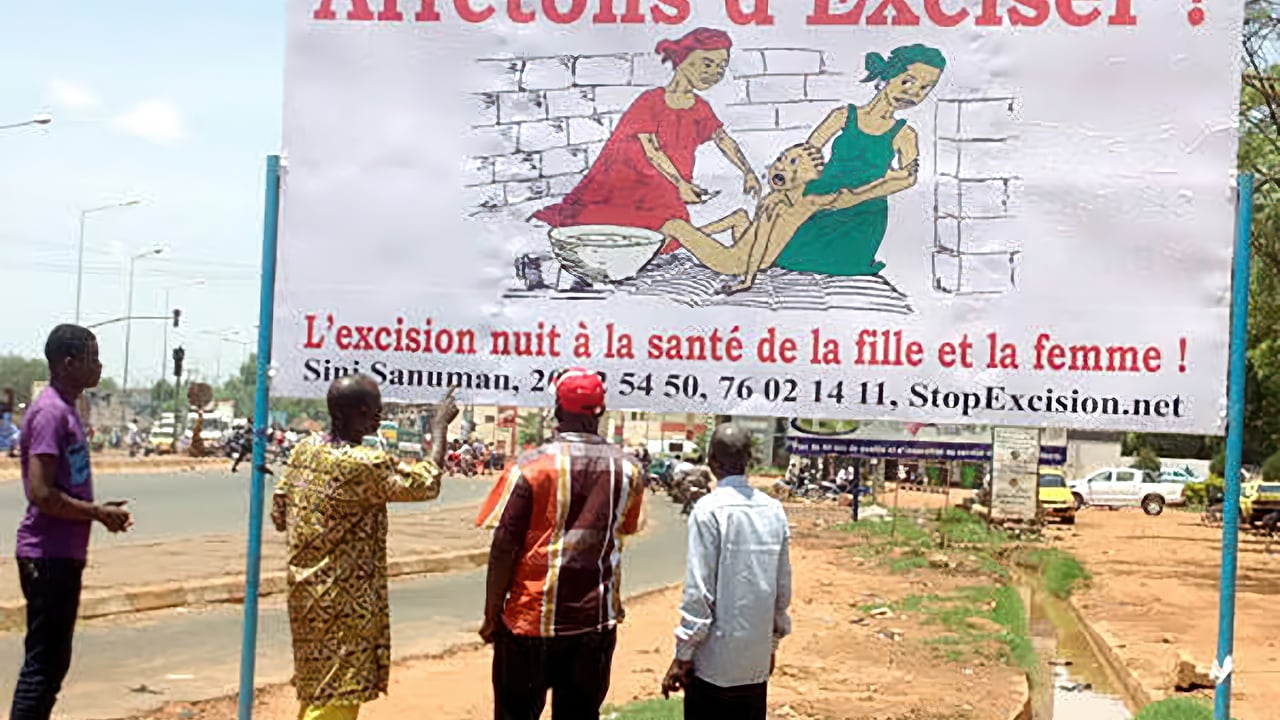

The discussion surrounding female genital mutilation (FGM), often referred to as excision, continues to be a profound and sensitive topic across Mali. This deeply entrenched practice sparks ongoing public discourse, bringing to the forefront the complex interplay between tradition, public health, and human rights within the nation’s African current affairs landscape.
In this delicate societal landscape, President Assimi Goïta’s administration is actively engaged in efforts to manage the intensity of this debate. The government’s approach seeks to navigate the contentious issue, attempting to “contain” the dialogue in a manner that acknowledges diverse viewpoints while addressing the critical concerns raised by anti-FGM advocates. This involves a careful balancing act, reflecting the broader challenges of African governance in a region grappling with social change.
Campaigns advocating for the abandonment of FGM, such as those highlighted by public billboards seen across the nation, are a visible part of this evolving discussion. These initiatives confront long-standing customs, aiming to raise awareness about the severe health consequences and human rights implications associated with the procedure. The administration’s task is therefore not merely to take a stance but to skillfully guide the national conversation, fostering an environment where progress can be made without exacerbating social divisions.

 Boureima Amadou