
 Boureima Amadou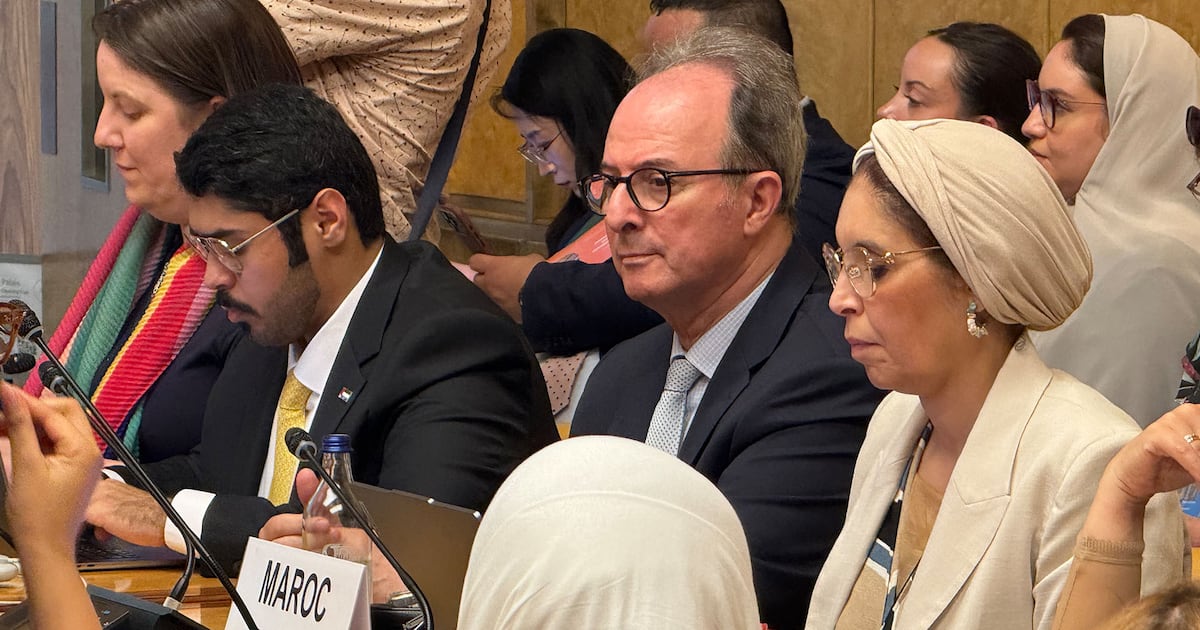
Rabat champions global human rights accountability at UN forum
At a high-level meeting themed “Beijing After 30 Years: Rallying the UN Human Rights System for Gender Equality and Women’s Empowerment”, Morocco took center stage to showcase its model of human rights governance and advocate for sweeping reforms within the United Nations framework.
Rabat’s EPU initiative sets global benchmark
El Habib Belkouch, speaking on behalf of Morocco’s delegation, emphasized the strategic value of active participation in the United Nations Human Rights Council. He highlighted how these platforms serve as vital instruments for tracking both national and international human rights developments. A key example cited was Morocco’s hosting of an international symposium commemorating the 20th anniversary of the Universal Periodic Review (UPR)—a groundbreaking global initiative that established new standards for accountability within the UN system.
The event yielded actionable recommendations designed to enhance the efficiency of one of the UN’s most effective accountability mechanisms. “This was not an isolated effort, but a deliberate step within a broader strategy to strengthen and streamline international human rights mechanisms,” Belkouch noted.
Toward a unified and effective human rights governance
Looking ahead, Morocco is preparing to host another landmark conference to assess the various components of the UN human rights system. This includes evaluating the roles of special procedures—rapporteurs and working groups—as well as conventional mechanisms. The goal is to foster greater institutional coherence in a landscape where overlapping mandates and thematic redundancies—particularly in areas like child rights—have diluted effectiveness.
Belkouch framed the current global context as a “crisis period”, yet one that paradoxically presents an opportunity for bold reform. “Overcoming this crisis requires charting a positive path forward—consolidating progress, reinforcing human rights protections, and countering the growing skepticism toward these principles in multiple regions,” he stressed.
National mechanisms emerge as the future of human rights enforcement
The Moroccan official also spotlighted the Kingdom’s pioneering approach to national implementation mechanisms for international recommendations. This model, increasingly recognized as a development benchmark, has drawn significant interest from countries such as South Korea, the Netherlands, and the United Arab Emirates, which have initiated exchanges to adopt similar frameworks.
>“The real test of human rights progress lies not in drafting recommendations, but in their effective implementation. National mechanisms are where this vision becomes reality,” he asserted.
Belkouch further noted that this agenda was a cornerstone of Morocco’s contributions to last year’s Glion Forum, reaffirming its commitment to shaping the future of international human rights governance while promoting a more efficient and cohesive system.








