Boureima Amadou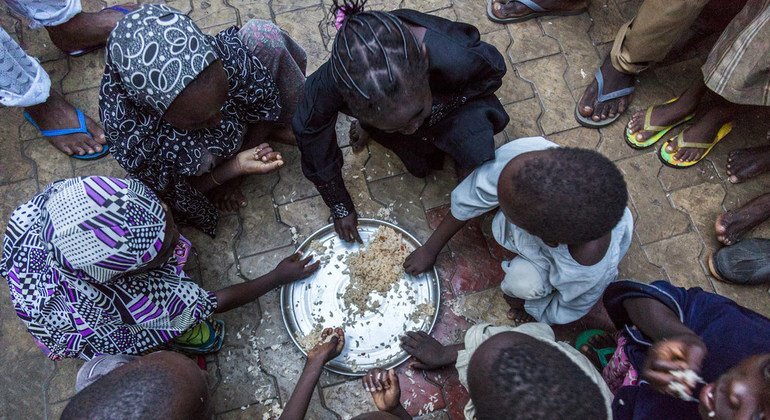
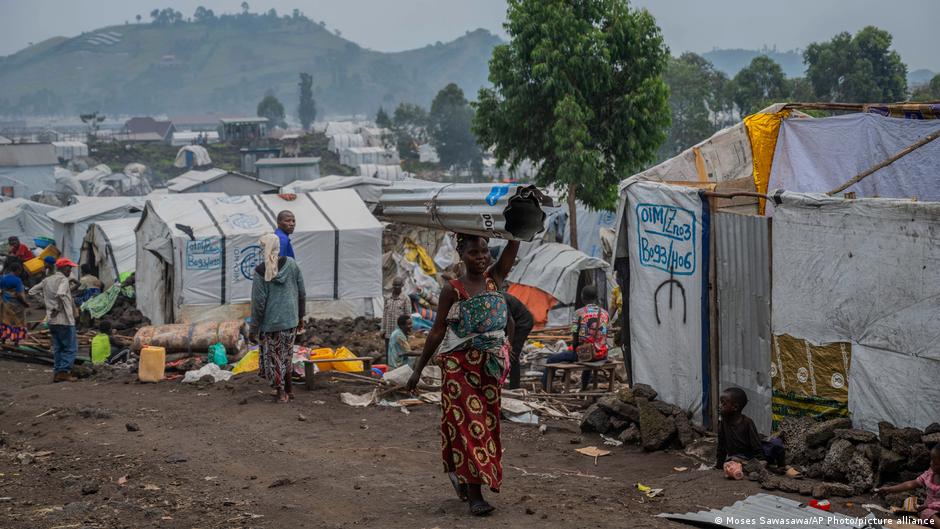
A catastrophic combination of escalating violence and significant funding shortfalls is pushing millions of people into a dire food emergency across West and Central Africa. According to The African Tribune, the World Food Programme (WFP) has issued a stark warning: 55 million residents are at risk of critical famine this summer, including over 13 million children whose lives are in immediate jeopardy.
To prevent a humanitarian disaster, the United Nations agency is urgently requesting more than $453 million in funding over the next six months. Recent Africa breaking news reports indicate that over three million people will face Phase 4 (Emergency) food insecurity this year. This figure is more than double the 1.5 million people affected in 2020, highlighting a rapidly deteriorating situation in African current affairs.
Four specific nations—Nigeria, Chad, Cameroon, and Niger—account for 77% of these alarming statistics. Notably, in Borno State, Nigeria, approximately 15,000 individuals are at risk of catastrophic famine (IPC-5) for the first time in nearly a decade.
“The funding reductions we witnessed in 2025 have intensified hunger and malnutrition throughout the region,” stated Sarah Longford, WFP Deputy Regional Director for West and Central Africa. She noted that as needs outpace available resources, there is a growing risk of young people falling into despair.
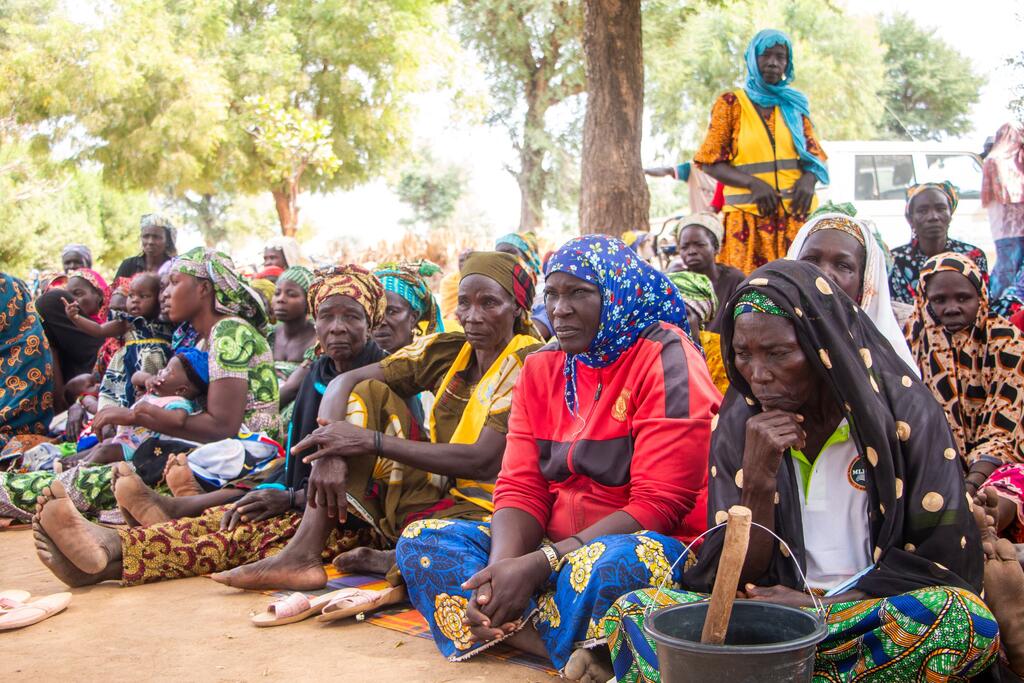
Focus on Mali, Nigeria, and Cameroon
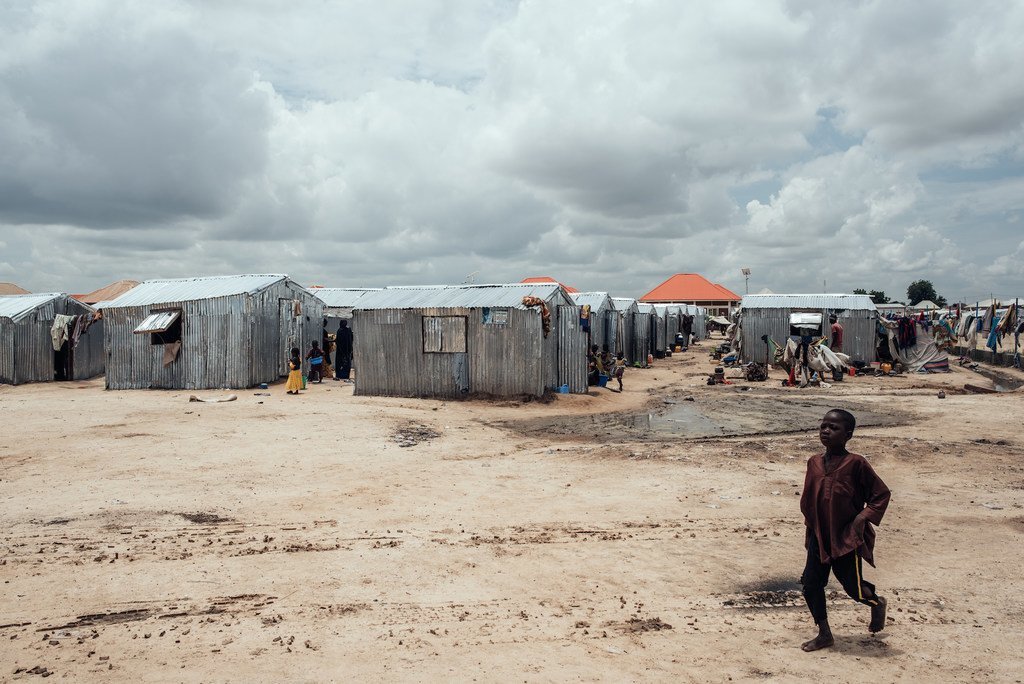
A toxic mix of rising conflict, mass displacement, and economic instability has worsened continent news regarding famine. However, the withdrawal of humanitarian aid is now pushing communities past their breaking points.
- Mali: Reduced food rations led to a 64% spike in acute hunger in some areas, while regions with full support saw a 34% decrease. Insecurity threatens the survival of 1.5 million vulnerable citizens.
- Nigeria: Funding gaps in 2025 forced cuts to nutrition programs, impacting 300,000 children. Malnutrition has reached “critical” levels in several northern states. Projections suggest only 72,000 people may receive aid in February, compared to 1.3 million last year.
- Cameroon: Over half a million people could lose access to life-saving assistance if emergency funds are not secured immediately.
13 million children at risk of starvation
Jean Martin Bauer, the WFP Director of Food Security Analysis, highlighted that 13 million children face extreme risk this year. He emphasized that nutrition programs must be the top priority to treat and prevent malnutrition. English Africa news outlets report that the IPC-5 classification in northeast Nigeria indicates that mortality rates are already far above normal levels.
“People are literally dying of hunger,” Bauer warned, stressing the need to ensure aid reaches the most vulnerable populations before it is too late.
The urgent need for $453 million
These recurring crises demonstrate the need for a more proactive approach in African governance. To break the cycle of famine, the WFP advocates for increased investment in resilience and anticipatory measures by national governments and their partners.
The immediate requirement of $453 million is essential to maintain life-saving operations. “Supporting communities in crisis is vital to ensure that rampant hunger does not fuel further displacement and conflict,” Longford added.
Effective solutions are available
The WFP has already implemented successful long-term strategies, such as school feeding and infrastructure development. Since 2018, resilience programs have rehabilitated 300,000 hectares of degraded land, turning arid landscapes into fertile soil and protecting four million people from climate shocks.
While the solutions are proven and ready, Bauer concluded that they simply lack the necessary funding to be executed at the required scale.