Boureima Amadou
Escalating border tensions reshape saharan trade routes
Recent cross-border incidents along the Sahelian frontier have exposed deeper fractures in relations between Mauritania and Mali. What once were routine commercial and humanitarian exchanges have now given way to growing insecurity, disrupting vital supply lines that once connected the two nations. These routes, which historically facilitated the movement of goods between Mauritania, Morocco, and northern Mali, now face persistent threats that threaten regional stability.
Key trade arteries that once thrived under the stability of previous decades are now choked by violence. The once-reliable transit corridors that carried food, fuel, and manufactured goods to cities like Gao and Tombouctou have become battlegrounds, leaving northern Malian communities increasingly isolated. The collapse of these commercial lifelines has left markets undersupplied and residents struggling to access basic necessities.
Mauritania’s shifting role in regional stability
For decades, Nouakchott played a pivotal role as a neutral transit hub for goods moving between Morocco and northern Mali. The country’s ports and logistics networks were central to the flow of merchandise, while its open-border policy provided refuge for hundreds of thousands of Malians fleeing conflict since the early 1990s. According to estimates, over 300,000 Malian refugees and asylum seekers have settled in eastern Mauritania, particularly in the Mbera camp and surrounding villages.
This humanitarian openness also reinforced regional security cooperation. Mauritanian authorities, through early counterterrorism measures and robust border controls, succeeded in limiting the spread of armed groups into their territory. The country was widely seen as a stabilizing force, offering Mali both economic and diplomatic support during times of crisis.
From cooperation to confrontation
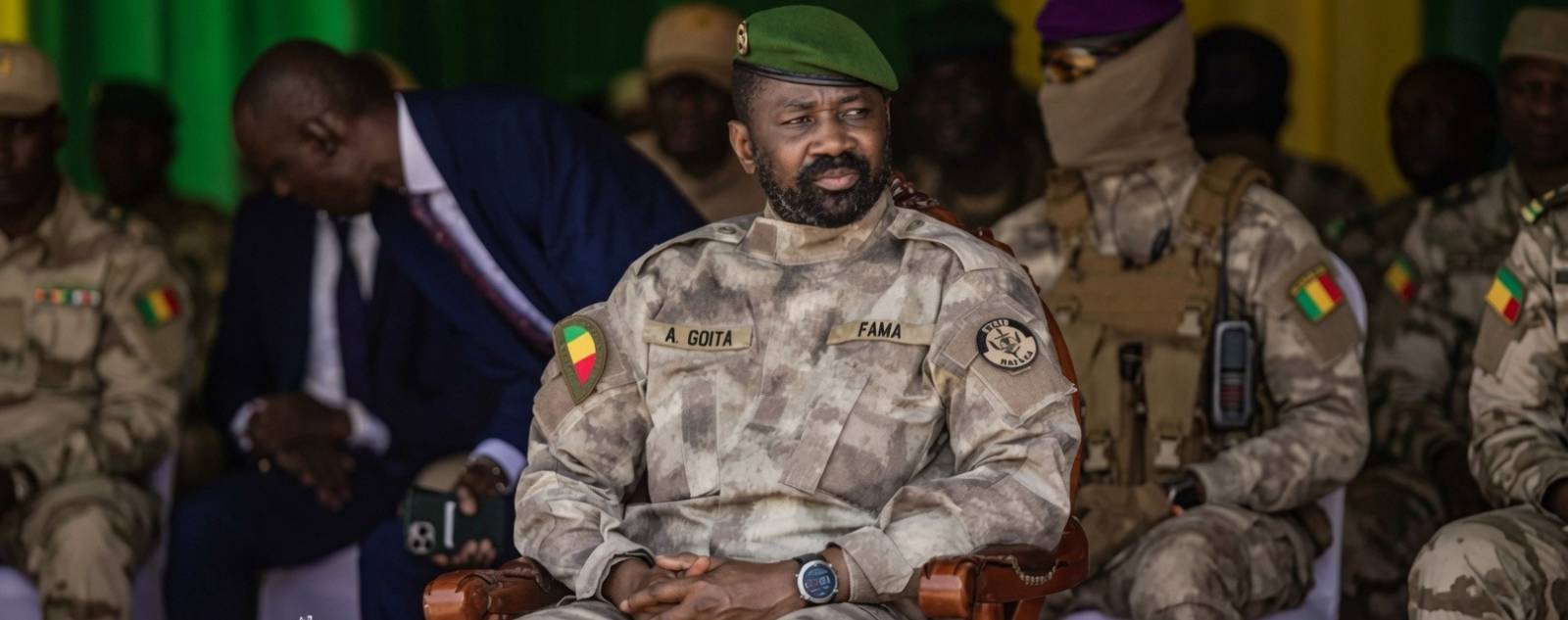
However, the dynamics between the two nations have shifted dramatically in recent years. The Malian transitional government’s security policies, combined with the growing presence of foreign military partners, have strained relations. Border communities—once bound by centuries-old trade networks—now face a rising tide of tensions, including arrests, armed clashes, and accusations of civilian collaboration with militant factions.
These developments have eroded the trust that once underpinned cross-border interactions. Local networks, including merchants, pastoralists, and traditional leaders, have seen their influence wane. As confidence collapses, armed groups have exploited the power vacuum, further destabilizing the very zones that once facilitated commerce and human movement.
Today, the roads linking Mali to Mauritania are among the most volatile in the Sahel. Trade convoys face regular ambushes, while commercial traffic has dwindled to a fraction of its former volume. The economic fallout is particularly severe for northern Mali, where markets now struggle to replenish stocks of food and essential goods.
A fractured alliance reshapes regional alliances
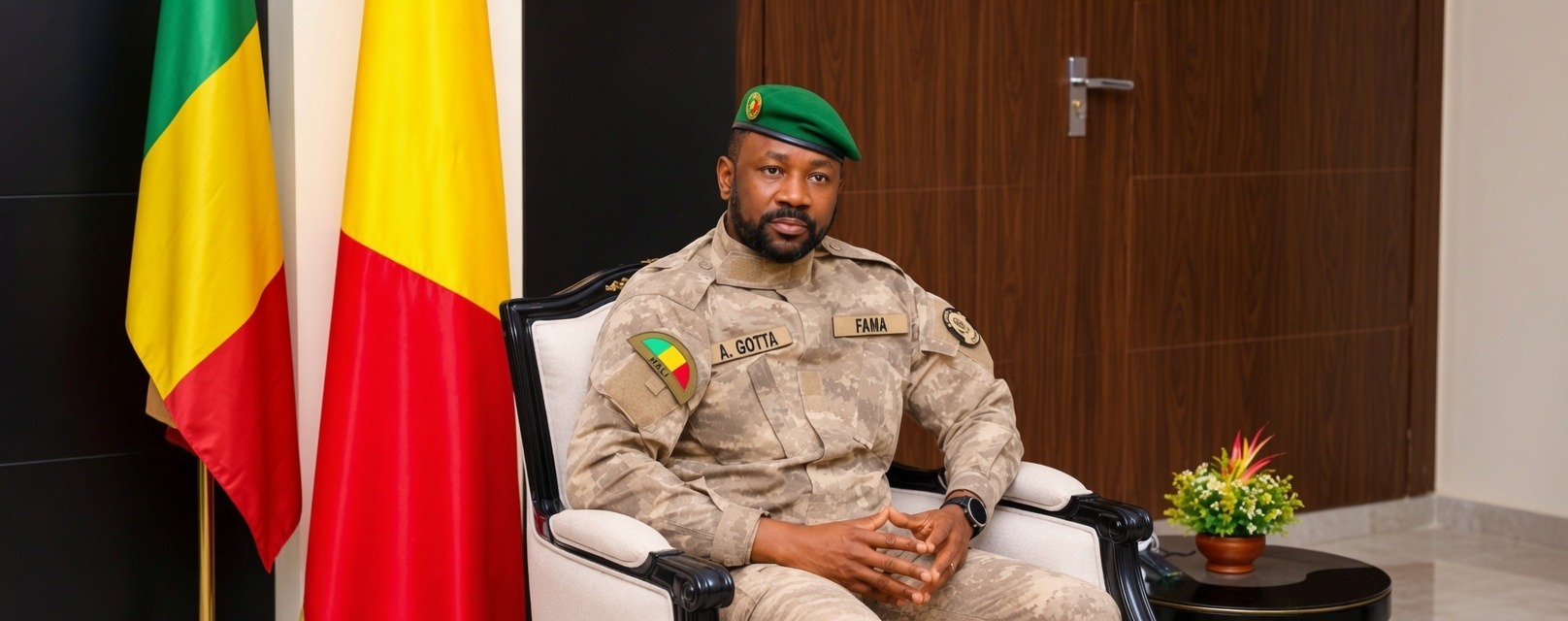
Once a key ally in Bamako’s security and economic strategy, Mauritania has gradually distanced itself from Mali’s transitional leadership. This shift reflects broader realignments in regional politics, driven by escalating insecurity and diverging strategic priorities. While Nouakchott once prioritized stability and open dialogue, the current climate has fostered a more cautious, and at times adversarial, approach toward its southern neighbor.
The consequences are clear: the collapse of shared security frameworks and the paralysis of once-vibrant trade routes underscore a troubling new reality. Northern Mali, already grappling with humanitarian crises, now faces even greater isolation, its survival increasingly dependent on fragmented and unreliable supply chains.


 Mariama Hamani