Boureima Amadou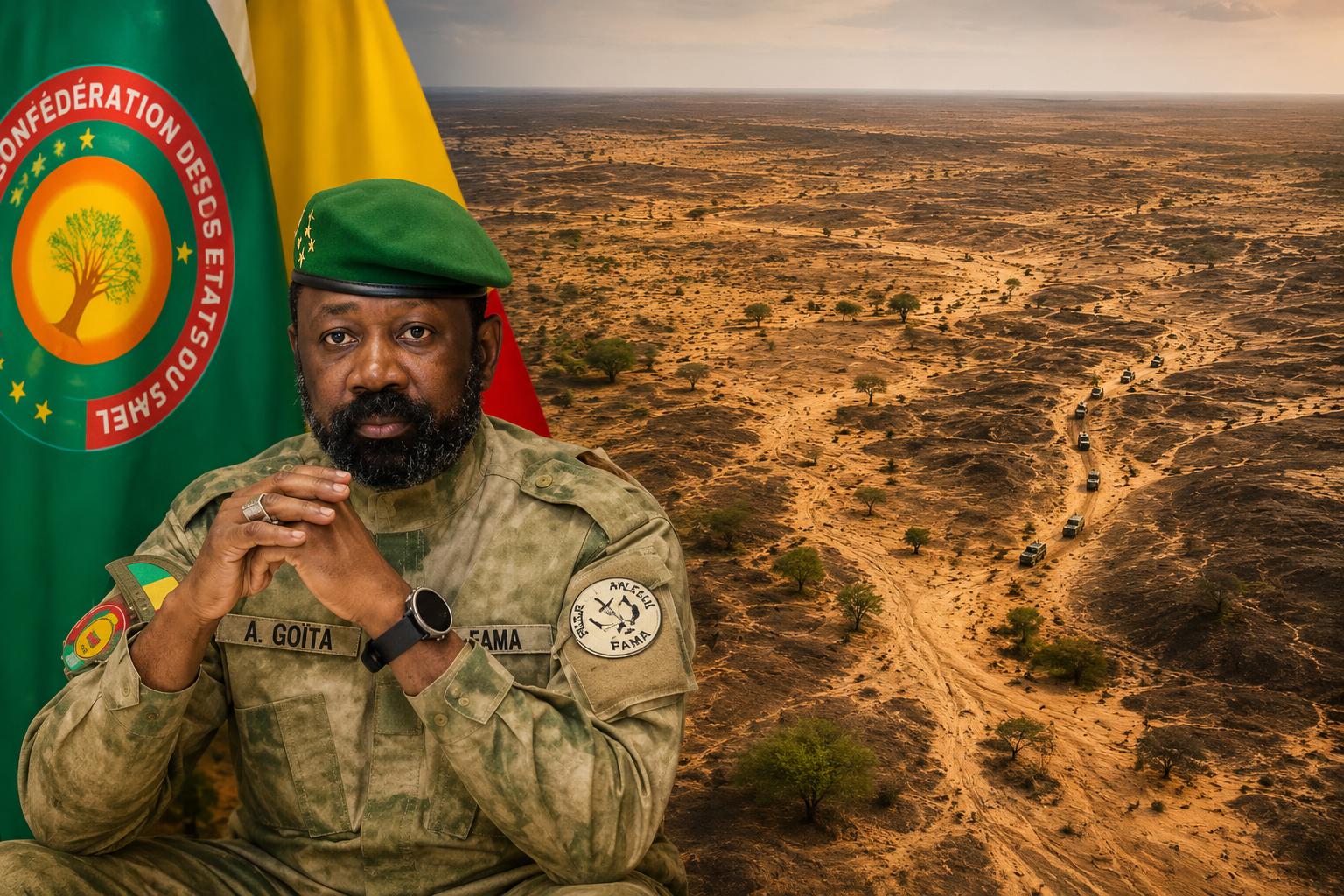
Yesterday, fierce fighting erupted in Tin Araban, close to Tabankort, as a large military convoy from the Malian Armed Forces (FAMa) and their Russian-affiliated Africa Corps allies clashed with a coordinated rebel and terrorist alliance. The escalation underscores a rapidly worsening security crisis in the region, with Bamako’s transitional government notably silent on the unfolding disaster.
The Gao-Anéfis corridor has become the epicenter of an unusually intense confrontation. Reports confirm that a substantial military convoy, comprising around 60 vehicles—including logistics trucks, armored units, and ground troops—departed Gao earlier in the week with a critical mission: to reinforce and resupply the strategically vital outpost of Anéfis in the Kidal region, which has been under relentless pressure from hostile armed groups.
Ambush in the desert: a coordinated strike
The convoy’s advance came to a brutal halt near Tin Araban, a barren stretch of desert roughly 100 kilometers south of Anéfis. What followed was a meticulously planned ambush, unleashing a barrage of coordinated attacks. Evidence suggests the assailants were a hybrid force, merging the separatist Tuareg fighters of the Azawad Liberation Front (FLA) with jihadist elements from JNIM, the al-Qaeda-affiliated group. The battle raged for most of the day, marked by heavy artillery exchanges and drone strikes, leaving behind a trail of destruction.
Heavy losses emerge behind closed doors
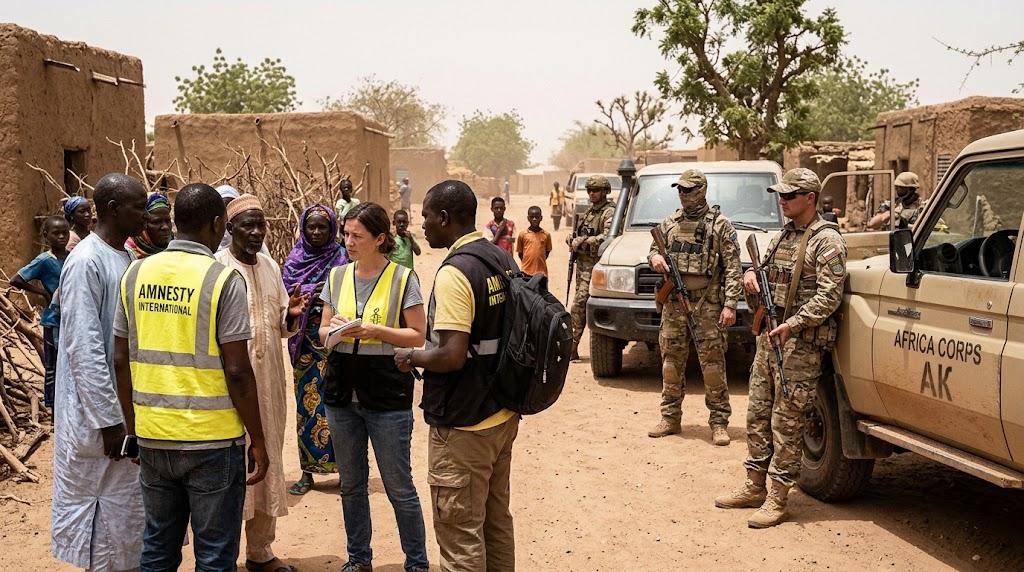
While an independent assessment remains impossible due to restricted access to the area, unverified insurgent communications and fragmented imagery point to significant losses on both sides. Reports indicate that multiple transport vehicles belonging to the FAMa and light armored units operated by Africa Corps instructors—previously associated with the Wagner Group—were either destroyed or seized. Aerial reconnaissance drones were also reportedly lost, alongside dozens of casualties.
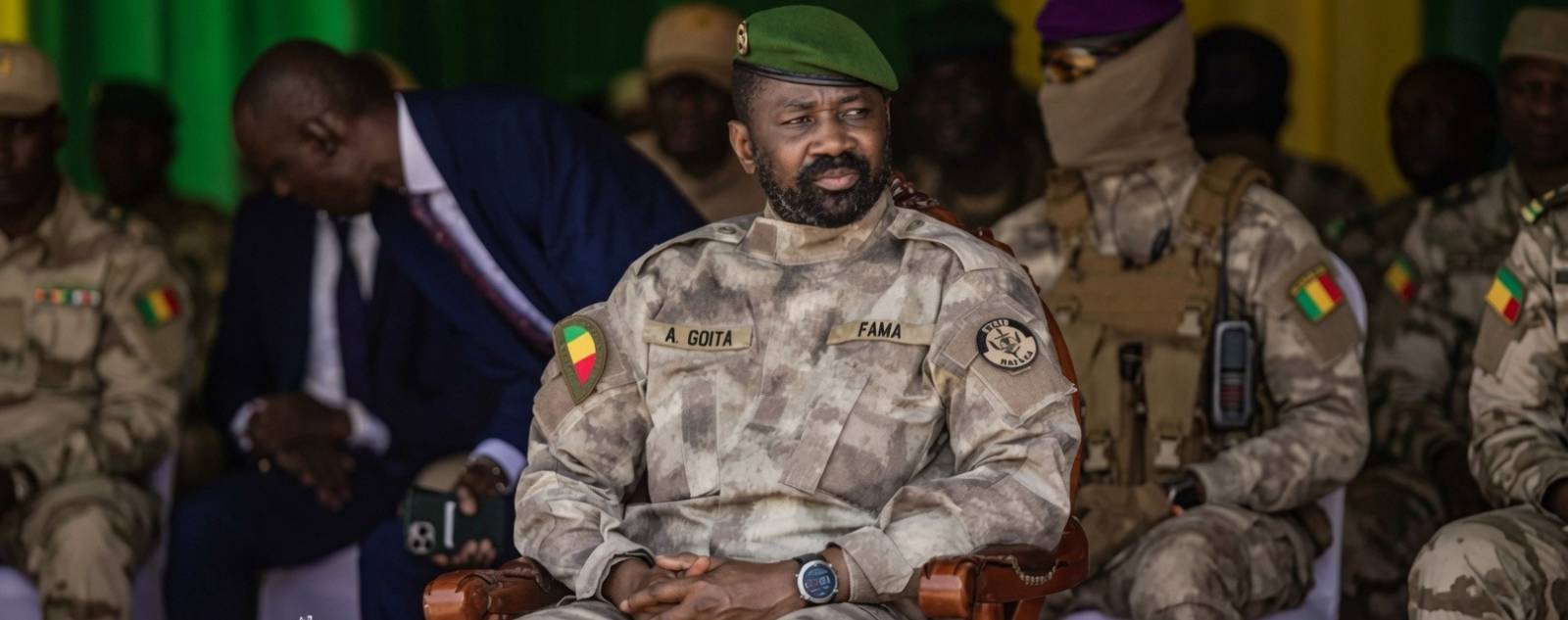
The Malian authorities have yet to release any official statement 24 hours after the outbreak of hostilities near Tabankort. The Directorate of Information and Public Relations of the Armed Forces (DIRPA) and the transitional government in Bamako have maintained a deliberate silence, one that stretches far beyond routine operational discretion.
This lack of disclosure is not a mere oversight or a tactical delay—it reflects a calculated effort to obscure the true state of national security. By avoiding acknowledgment of military setbacks or the intensity of combat in the North, the transitional leadership in Bamako appears determined to uphold an official narrative of unstoppable progress for the FAMa, even as the reality on the ground contradicts every claim.
Anéfis: the pivot of the northern offensive
The stakes of this confrontation extend far beyond the immediate tactical outcome. Bamako’s ability to maintain and secure supply lines between Gao and Kidal is pivotal to its long-term presence in northern Mali. If the blockade on the convoy is confirmed and reinforcements fail to reach Anéfis, the garrison could face isolation, potentially opening the door to a major counteroffensive by northern coalition forces. A territorial reality that the political rhetoric of the capital will struggle ever more to conceal behind layers of military secrecy.


 Mariama Hamani