Mariama Hamani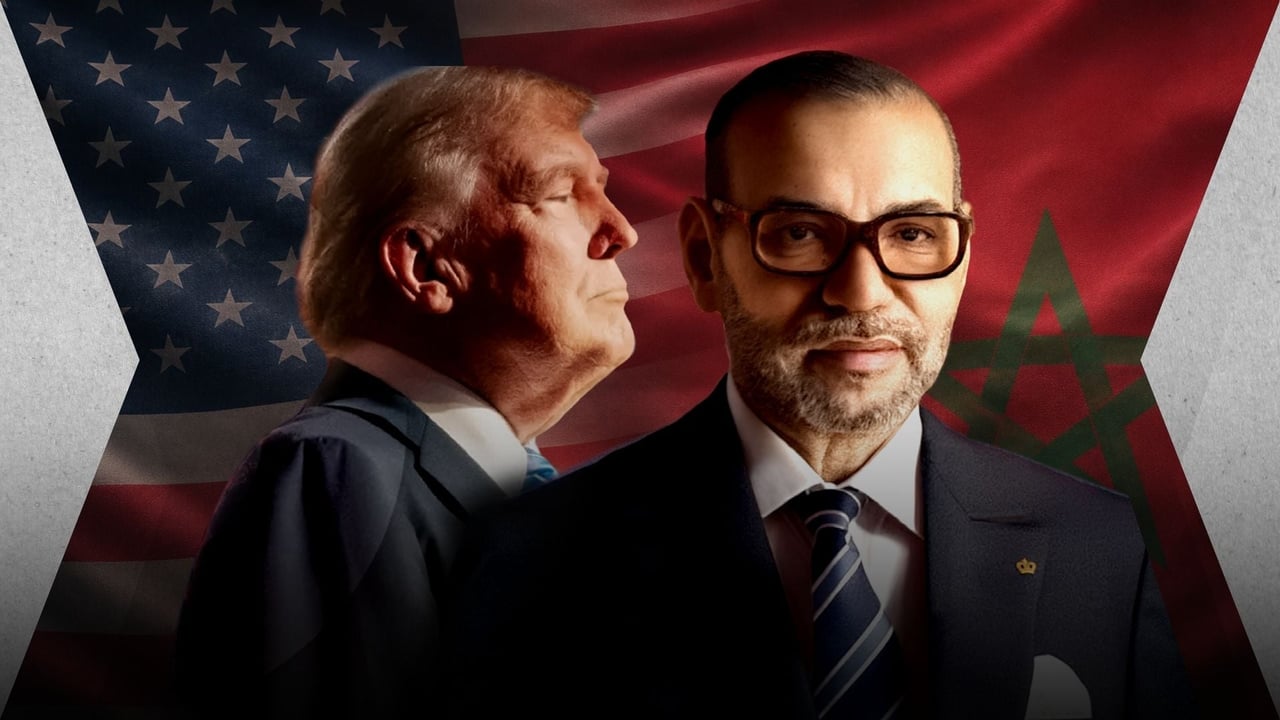
The enduring bond between Morocco and the United States stretches back over two and a half centuries, rooted in mutual interests that have shaped their diplomatic and economic ties. This alliance, built on shared strategic visions, continues to evolve, reflecting the dynamic needs of both nations in a rapidly changing world.
a historical foundation built on trust
Since the late 18th century, Morocco and the United States have maintained one of the oldest and most resilient diplomatic relationships in African and American history. The 1777 recognition of Morocco’s sovereignty by the newly formed United States marked the beginning of a partnership that has stood the test of time, surviving global conflicts and geopolitical shifts.
key milestones in the alliance
- The 1787 Treaty of Friendship: One of the earliest treaties signed by the United States, establishing official diplomatic relations and paving the way for future cooperation.
- Strategic economic exchanges: Over the decades, trade between the two nations has flourished, with Morocco emerging as a key partner in North Africa for American businesses.
- Security and defense collaboration: Joint military exercises, intelligence sharing, and counterterrorism efforts have strengthened their alliance, particularly in addressing regional security challenges.
modern-day collaboration and mutual benefits
The relationship between Morocco and the United States today is far more than a historical footnote—it is a dynamic partnership that delivers tangible benefits to both sides. From economic investments to cultural exchanges, this alliance continues to thrive in the 21st century.
economic ties that drive growth
Morocco’s strategic location at the crossroads of Africa, Europe, and the Middle East makes it an ideal partner for American companies looking to expand their footprint in emerging markets. Key sectors of collaboration include:
- Agriculture and food security: Morocco is a major exporter of agricultural products to the U.S., including citrus fruits, seafood, and processed goods.
- Renewable energy: With ambitious solar and wind projects, Morocco is positioning itself as a leader in clean energy, offering opportunities for American firms in technology and infrastructure.
- Automotive and aerospace: Major American manufacturers have established production facilities in Morocco, leveraging its skilled workforce and proximity to European markets.
diplomatic and geopolitical alignment
The shared commitment to stability and security in North Africa and the wider Sahel region has solidified the partnership between Morocco and the United States. Both nations collaborate closely on issues such as:
- Counterterrorism efforts: Joint initiatives to combat extremist groups and disrupt illicit trafficking networks.
- Regional conflict resolution: Supporting diplomatic solutions to ongoing tensions, including in the Western Sahara.
- Humanitarian aid and development: Funding and implementing projects that address poverty, education, and healthcare challenges in the region.
future prospects and challenges
As global dynamics shift, the Morocco–United States alliance faces both opportunities and challenges. The rise of new global powers, evolving trade policies, and regional instability require adaptability and foresight from both partners. However, the deep-rooted trust and shared interests that have defined this relationship for centuries provide a strong foundation for navigating these changes.
innovating for tomorrow
Looking ahead, the partnership is poised to expand into new areas of collaboration, including:
- Technology and innovation: Leveraging Morocco’s growing tech sector to foster digital transformation and entrepreneurship.
- Climate action: Joint initiatives to combat climate change, with a focus on sustainable agriculture and water management.
- Cultural and educational exchanges: Strengthening people-to-people ties through scholarships, exchange programs, and artistic collaborations.
The enduring alliance between Morocco and the United States is a testament to the power of long-term strategic partnerships. As both nations continue to work together, their collaboration will undoubtedly shape the future of North Africa and beyond.

 Boureima Amadou