Boureima Amadou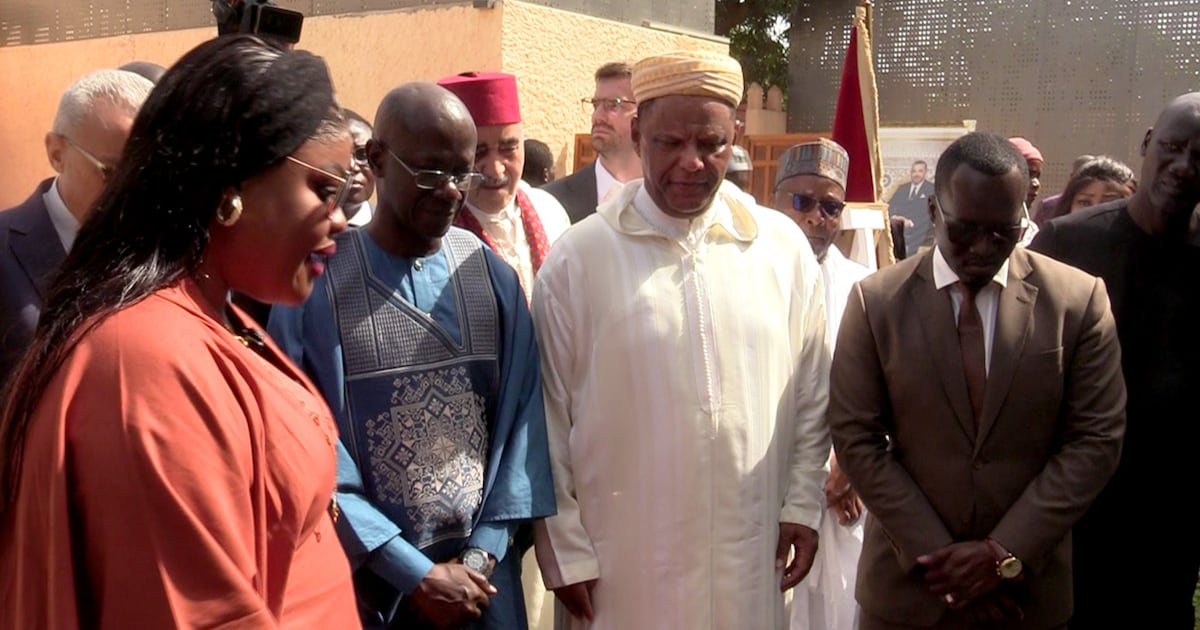
The Moroccan embassy in Dakar served as the elegant setting for the unveiling of the photographic exhibition “Morocco-Senegal: a shared history, a common destiny” on July 14. The event brought together political, diplomatic, and media figures united by a single purpose: to highlight the deep ties that bind these two nations.
Among the distinguished attendees were the Senegalese Minister of Communication and Government Spokesperson, Bakary Sarr; the Presidential Advisor to the Republic, Amadou Tidiane Wone; and Lamine Niang, Director-General of the daily newspaper Le Soleil.
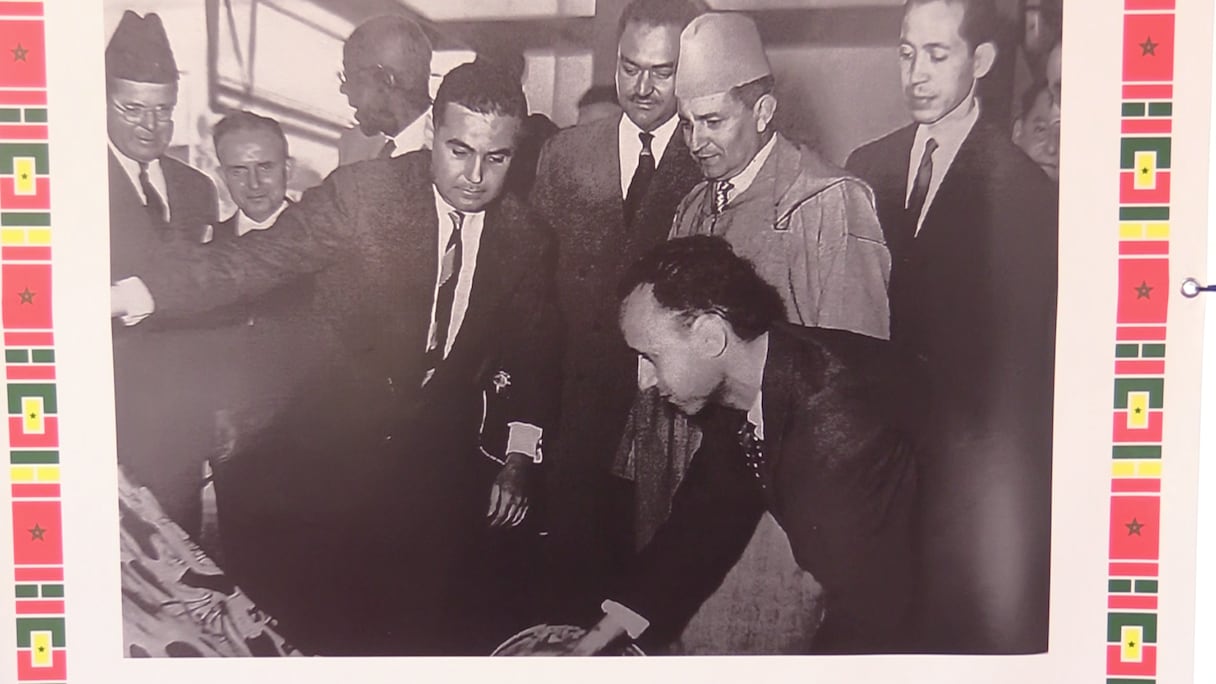
The exhibition showcased a curated collection of vintage photographs, newspaper clippings, and archival documents—primarily sourced from Le Soleil‘s archives—charting the evolution of cooperation between Dakar and Rabat. It revisits pivotal moments in a relationship forged over decades, rooted in historical, political, cultural, and religious connections.
Preserving a legacy for future generations
Morocco’s Ambassador to Senegal, Hassan Naciri, emphasized that the exhibition transcends mere nostalgia. It underscores a shared responsibility to safeguard and pass down this legacy to younger generations. “This exhibition allows us to revisit the defining chapters of an exceptional relationship while reaffirming our duty to protect this common heritage and ensure its transmission,” he remarked. He added, “We must nurture this bond, strengthen it, and ensure its continuity—an inheritance entrusted to us by our monarchs, Senegalese presidents, and all those who contributed to its foundation.”
Education as a cornerstone of cooperation
Lamine Niang, Director-General of Le Soleil, highlighted the exhibition’s role in showcasing the tangible outcomes of this partnership. “This relationship proves that authentic African solidarity is achievable when built on trust and a shared vision, transcending mere interests,” he stated. “Today, thousands of Senegalese students continue their studies in Moroccan universities, while Moroccan students contribute to the vibrancy of Senegal’s higher education institutions.”
The exhibition, beyond its historical significance, stands as a vivid testament to the resilience of Morocco-Senegal ties. Both nations are committed to nurturing this bond, fostering even closer collaboration rooted in a forward-looking vision.



 Mariama Hamani