Mariama Hamani
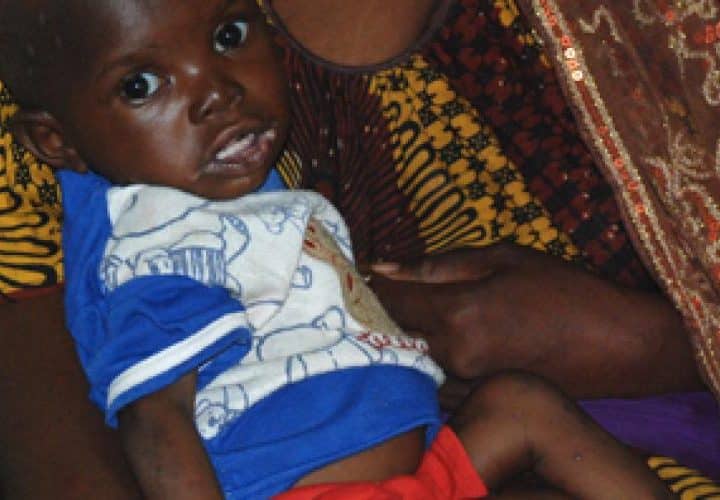
malnutrition in Mali: a critical public health challenge
Nutrition remains one of Mali’s most pressing public health concerns, particularly in the West African nation where over 15 million people call home. Despite ongoing prevention efforts, pockets of severe malnutrition persist across the country. Here’s what you need to know.
Mali faces multiple regions grappling with malnutrition. In response, the Malian government has prioritized nutrition in recent years amid alarming child mortality rates. Nearly one in five Malian children does not survive past their fifth birthday—a statistic that underscores the urgency of addressing malnutrition’s far-reaching consequences for families and the nation.
Within Malian households, closely spaced pregnancies contribute significantly to child and maternal malnutrition. Research shows that larger families experience higher rates of malnutrition, highlighting the need for family planning and nutritional education.
Malnutrition rates exceed global thresholds
Global acute malnutrition affects 15% of Mali’s population—exceeding the World Health Organization’s 10% alert threshold. Chronic malnutrition strikes 38% of children under five, far surpassing the 20% international warning level. These statistics place Mali among the countries with the most concerning nutrition crises worldwide.
Iron deficiency also poses a major threat, with over 80% of children under five and 65% of women affected. This deficiency ranks among the highest globally and carries severe implications: iron deficiency impairs cognitive development and learning capacity in children while increasing risks of maternal and infant malnutrition during pregnancy.
With 40% of Mali’s population impacted by malnutrition, the issue has become one of the country’s most critical health challenges.
Key strategies to combat malnutrition
Mali has implemented a comprehensive nutrition policy to reduce malnutrition rates and improve care access. The strategy includes mobilizing funding and launching targeted interventions.
“This policy is reinforced by action plans designed to secure vital funding for nutrition programs.”
Recent initiatives include universal salt iodization to combat iodine deficiency disorders. While 79% of Malian households now have access to iodized salt, the goal remains 90%.
Since 2005, Mali has conducted bi-annual intensive nutrition weeks (SIAN), covering 95% of the country. These campaigns specifically target children aged 6 to 59 months and have become ingrained in local communities. During SIAN, the government and humanitarian partners promote vitamin A supplementation and deworming tablets to boost child health.
These coordinated efforts—led by the Malian government, UNICEF, and NGOs—have significantly reduced child mortality rates. The SIAN program exemplifies UNICEF’s community-based approach, which trains locals to identify malnutrition signs, detect cases early, and provide immediate care. “To maximize impact, we integrate malnutrition screening into routine health activities,” explains Médiatrice Kiburente Touré. “We continue educating communities on safe water practices and root causes of malnutrition.”
In 2010, only 50% of children with severe acute malnutrition received treatment. Coverage has since improved, but gaps persist.

 Boureima Amadou
 theafricantribune