Boureima Amadou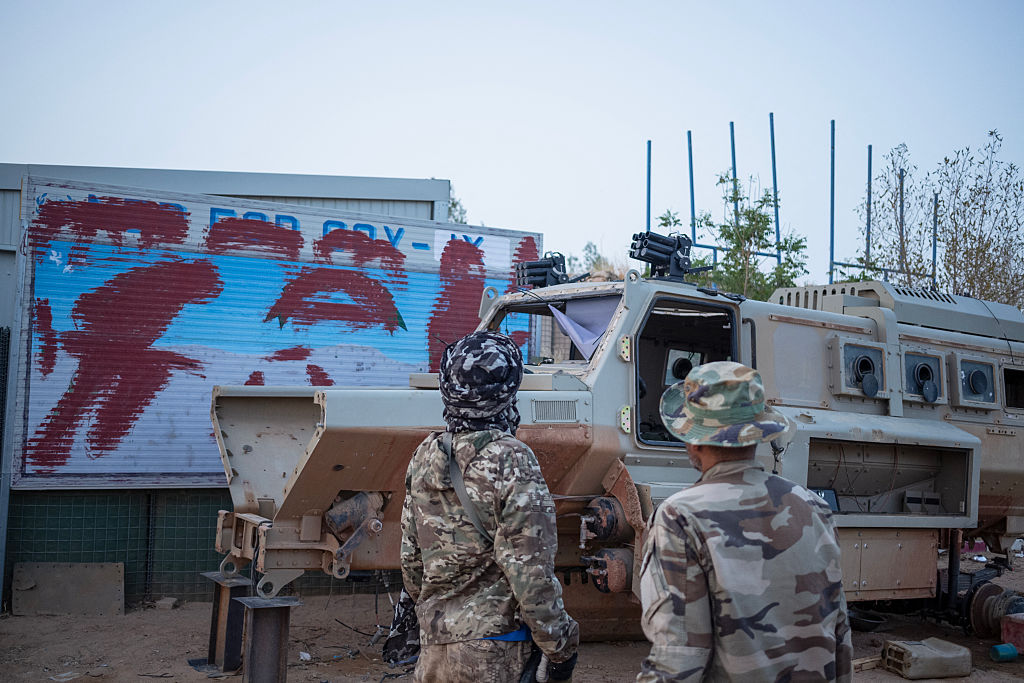
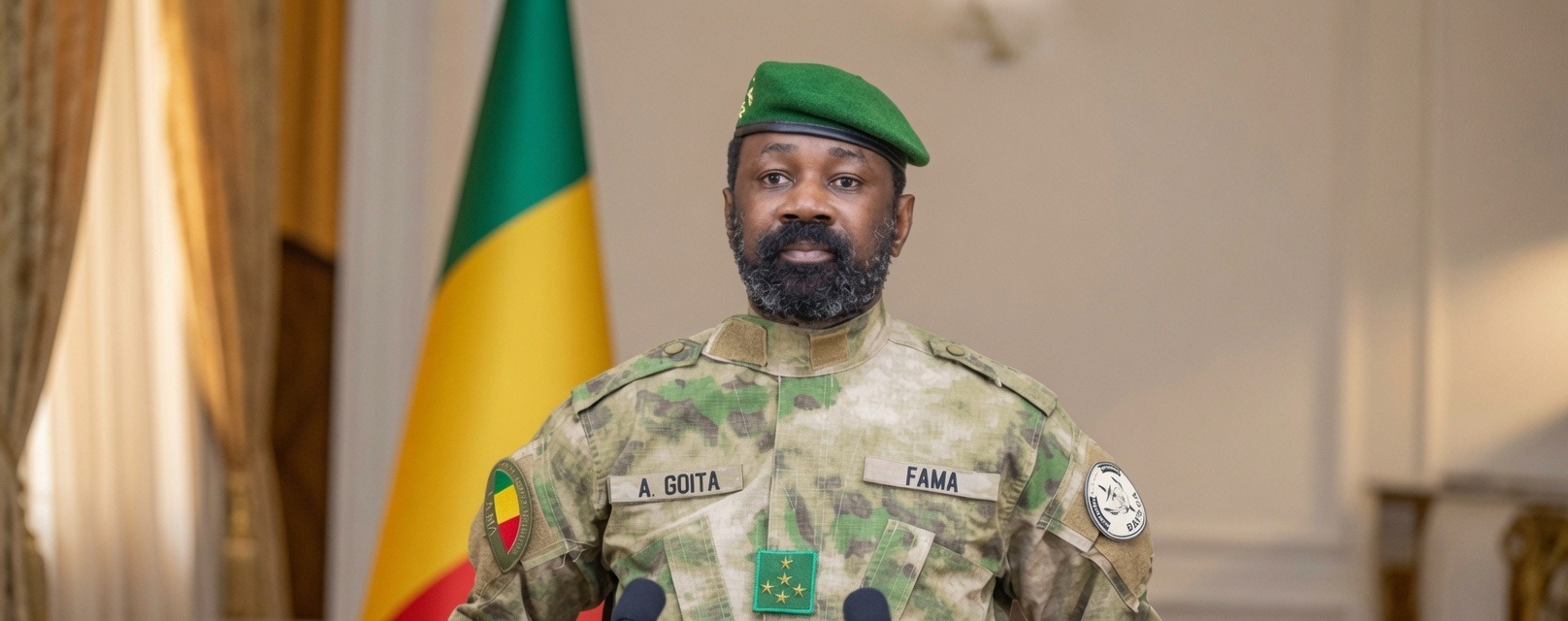
Since the Malian junta invited Russian mercenaries to the country in 2021, the government has prioritized suppressing Tuareg rebels in the North. Experts warn this strategic shift allowed jihadist groups like the Support Group for Islam and Muslims (GSIM) and the Islamic State in the Greater Sahara to expand their influence across Mali, imposing brutal blockades that cripple the economy.
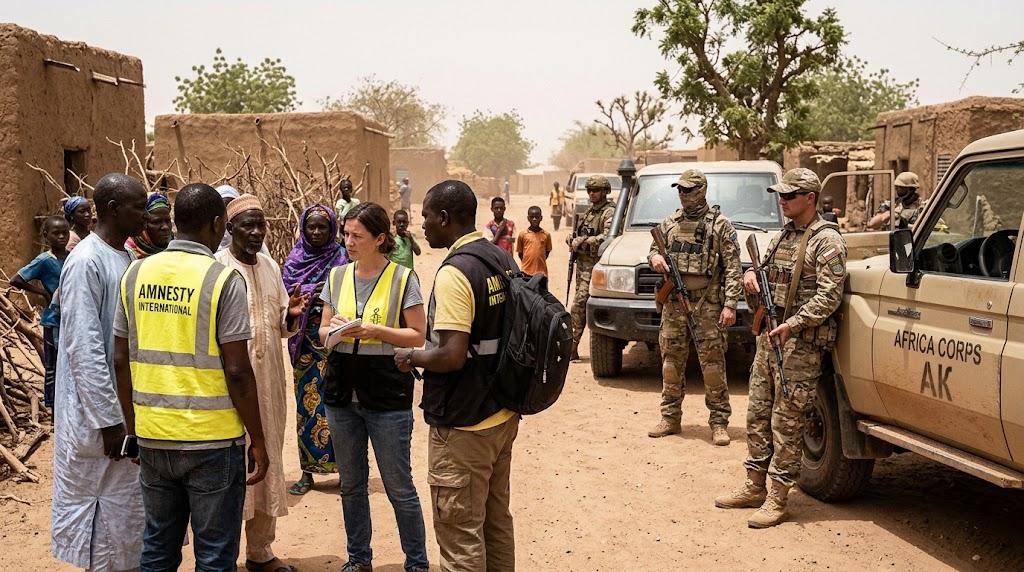
Deploying the Africa Corps alongside Malian forces, the junta’s aggressive tactics led to thousands of civilian deaths—many of them extrajudicial killings targeting ethnic minorities. These massacres, including the notorious Moura massacre, backfired by fueling recruitment for jihadist factions, which now threaten Bamako itself.
Strategic missteps fuel insurgency growth
By early 2024, the junta abandoned the Algiers Accords, a 2015 peace deal with the National Movement for the Liberation of Azawad (MNLA), after reclaiming the Tuareg stronghold of Kidal with Wagner Group assistance. This move coincided with a surge in GSIM and ISGS attacks in central Mali, cutting off critical supply routes from Senegal and Côte d’Ivoire to Bamako.
The junta’s pivot toward Russian mercenaries followed its 2022 break with France, which had led counterterrorism operations in Mali for over a decade. While Barkhane forces had initially helped stabilize the North, the junta’s expulsion of the UN’s MINUSMA peacekeeping mission in late 2023 left a security void that the Africa Corps failed to fill.
Civilian backlash and battlefield failures
The Africa Corps’s brutal tactics, including the Moura massacre where hundreds of Fulani civilians were killed, alienated local populations. This drove many to join jihadist groups, while the junta’s neglect of basic governance—failing to build schools, roads, or infrastructure—further eroded public trust.
By July 2024, the Africa Corps’s reputation as an unstoppable force crumbled when Tuareg fighters ambushed a joint Malian-Africa Corps unit in Tin Zaouatine, inflicting heavy casualties. Wagner’s withdrawal followed shortly after, with its remnants rebranded as the Africa Corps under new leadership.
Analysts note that while the MNLA and GSIM’s long-term goals remain unclear, their current offensive momentum has weakened the junta’s grip on power. The Africa Corps, now operating on a tighter budget of $10 million monthly, restricts its role to drone support and base protection, reducing its combat effectiveness.
April’s coordinated assault by the GSIM and MNLA on Kidal exposed the Africa Corps’s limitations. During the battle, mercenaries fled, allowing the MNLA to seize the city and killing the Malian Defense Minister in a separate attack. With jihadist groups now encircling Bamako, the junta’s survival hinges entirely on these mercenaries—despite their diminished capabilities.
“They have no other option. Cornered by domestic and international pressure, the junta clings to the Africa Corps as its last lifeline.”


 Mariama Hamani