Boureima Amadou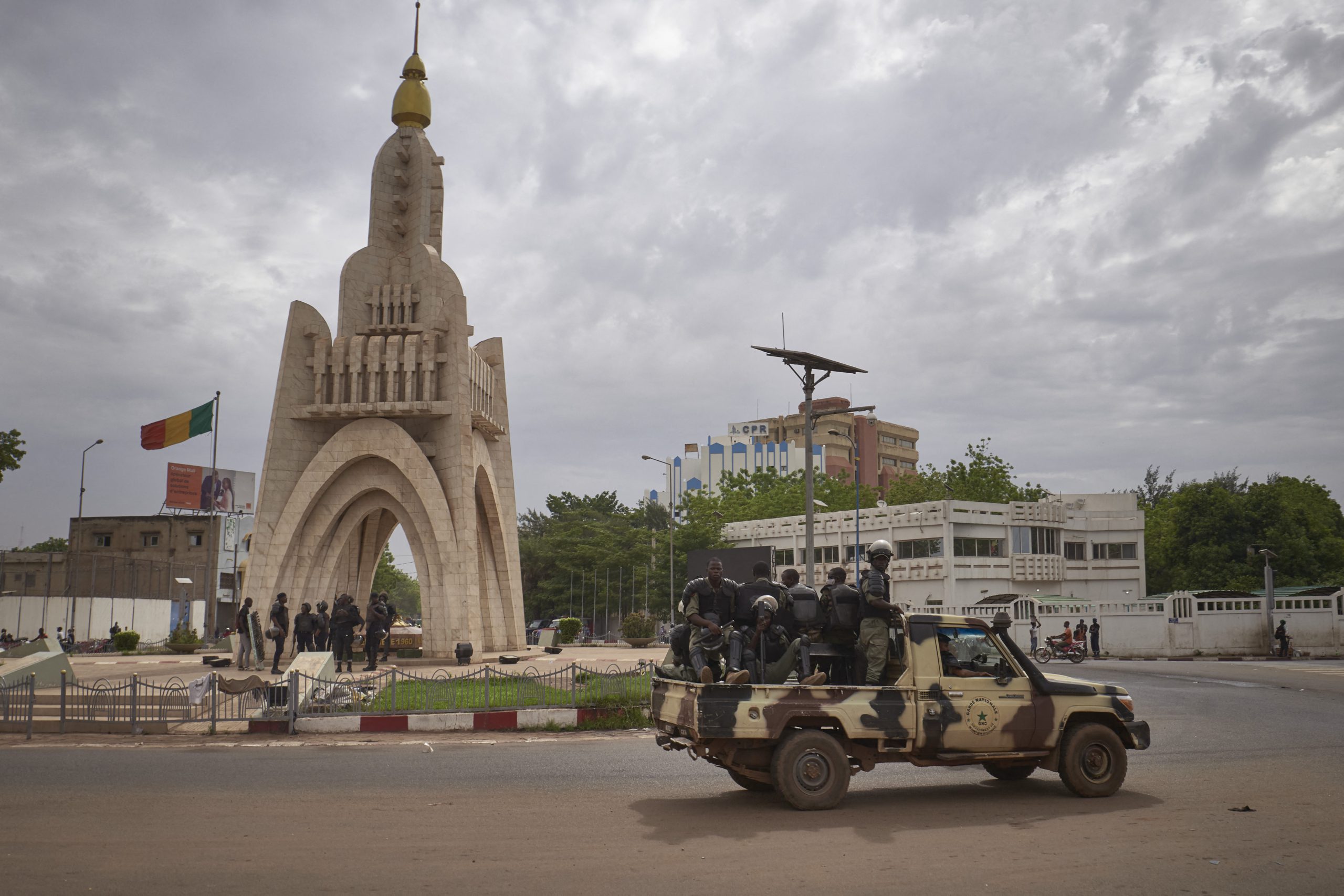
Reacting to Mali’s alarming proposal to dissolve all political parties following consultations on the revision of the Political Parties Charter, Ousmane Diallo, Sahel Researcher at Amnesty International’s West and Central Africa Regional Office, issued a stark warning:
The authorities’ push to dissolve political parties poses a severe threat to fundamental freedoms, particularly the rights to freedom of expression and peaceful assembly. Instead of escalating repression against civil society, opposition figures, and human rights defenders, the transitional government must prioritize compliance with constitutional guarantees and international human rights obligations.
« Dissolving political parties would directly contradict the 2023 Transitional Constitution, which explicitly protects their right to ‘form and operate freely under conditions defined by law,’ » Diallo emphasized. He further cautioned that such a move would undermine Mali’s commitments under key international instruments, including the African Charter on Human and Peoples’ Rights and the International Covenant on Civil and Political Rights, both of which the country has ratified.
Why the proposal violates Mali’s legal and moral obligations
Since seizing power, the military authorities have systematically restricted political freedoms, intensifying repression in 2024. Between April and July, decrees suspended all political party activities and banned media coverage of political events. These measures followed demands from numerous parties for adherence to the Transition Charter and a roadmap for elections to restore constitutional order.
The May 2024 national dialogue—widely boycotted by opposition groups—recommended extending the transition indefinitely under the guise of « national stabilization. » Among its proposals were stricter regulations for party formation and the elimination of public funding for political organizations. In June 2024, 11 opposition leaders were arrested on charges of « conspiring against state authority » and « opposing legitimate governance, » though they were granted provisional release in December 2024.


 Mariama Hamani