Boureima Amadou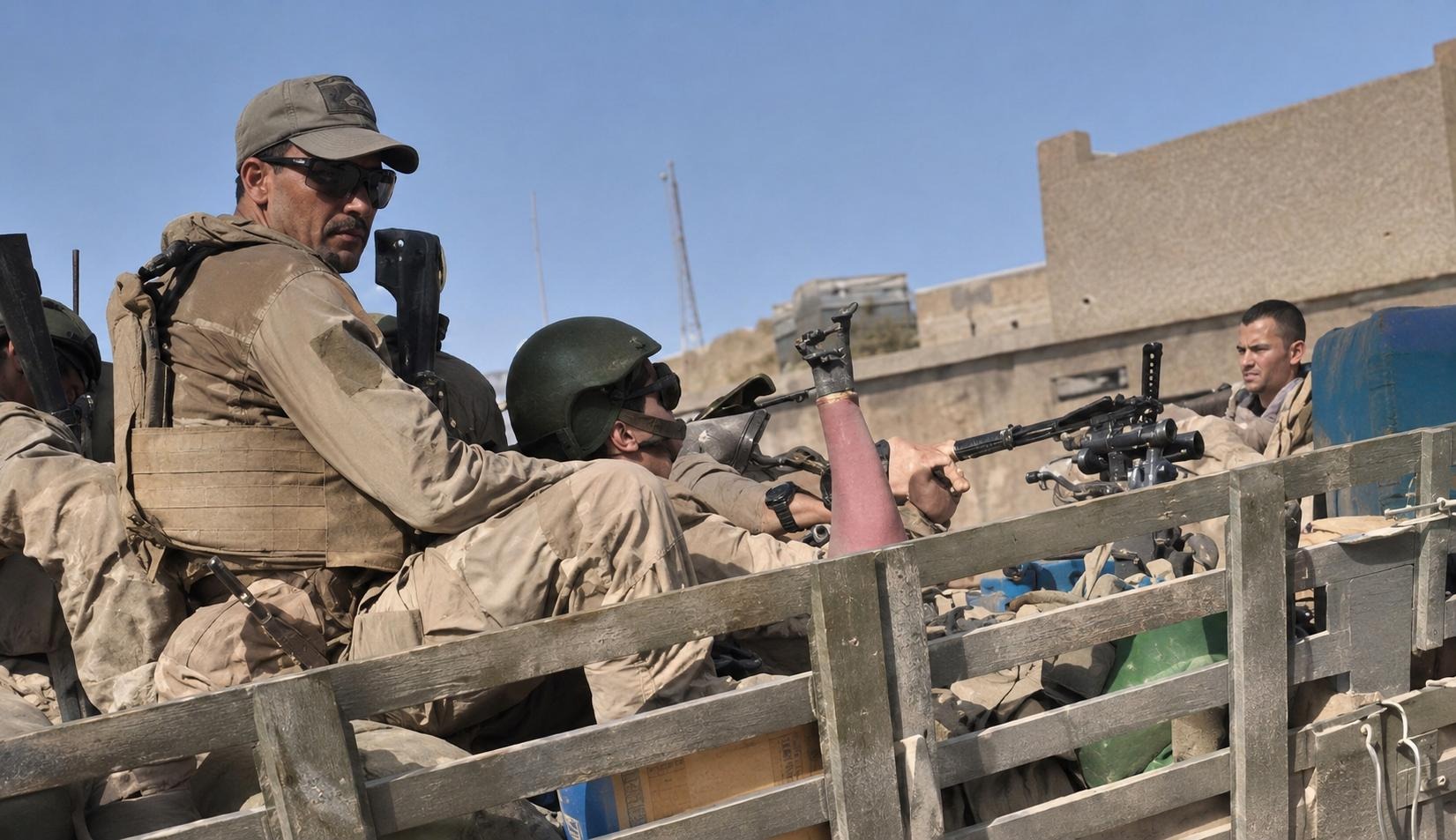
The Mali military suffered a crushing setback on April 26, 2026 when rebel forces seized control of Kidal, a strategic city Bamako had proudly reclaimed just months earlier. Yet the most alarming aspect of this defeat was not the loss itself, but the conduct of the Russian Africa Corps—formerly known as Wagner—whose forces chose self-preservation over solidarity with their Malian partners during the final hours of the battle.
An offensive that shattered defenses in hours
On the weekend of April 25, an unexpected coalition of rebel factions from the National Liberation Front of Azawad (FLA) and Islamist militants from the Group for the Support of Islam and Muslims (JNIM) launched a wide-ranging assault stretching from Kati to Gao. The goal was unmistakable: to overwhelm Malian troops and capture Kidal before reinforcements could arrive.
As enemy pressure mounted, the Russian contingent—long portrayed as an unbreakable fighting force—panicked. Instead of mounting a defense, they focused solely on securing their own escape, exposing a glaring weakness in their commitment to Mali’s sovereignty.
The shameful escape route: a deal with the enemy
One of the most controversial decisions emerged in the closing moments: Russian commanders entered into direct negotiations with rebel leaders to guarantee their safe withdrawal from the city. What followed was a humiliating arrangement that stunned military observers worldwide.
- Unconditional surrender of positions: In exchange for a so-called “security corridor,” Russian forces abandoned key defensive positions and handed over heavy weaponry to rebel hands.
- Abandonment of Malian troops: With their Russian allies gone, Malian soldiers—officially known as the Forces Armées Maliennes (FAMa)—were left exposed, cut off from air support and logistical supply lines in the heart of a war zone.
The collapse of a dangerous illusion
This episode laid bare the true nature of Russia’s involvement in Mali. Far from being a steadfast ally, the Africa Corps operated more like a profit-driven security contractor willing to cut and run when risks escalated beyond acceptable levels.
The evidence suggests a disturbing pattern:
- Profit over partnership: Russia’s presence in Mali is driven by geopolitical influence and access to gold reserves. When danger rises, Moscow’s mercenaries prioritize asset protection over loyalty to Bamako.
- Questionable allegiances: Reports indicate that Russian operatives may have even coordinated with jihadist factions to ensure their own safe passage during the final assault on Kidal, raising serious doubts about their reliability as a counterterrorism partner.
What Kidal teaches Mali and its allies
The April 2026 withdrawal marks the definitive end to the myth of Russia as Mali’s savior. By choosing self-interest over defense of a shared objective, the Africa Corps demonstrated that it cannot be trusted as a long-term strategic partner. For Malian leaders, this incident underscores the urgent need to reassess alliances and build resilience through reliable, committed international support.