Boureima Amadou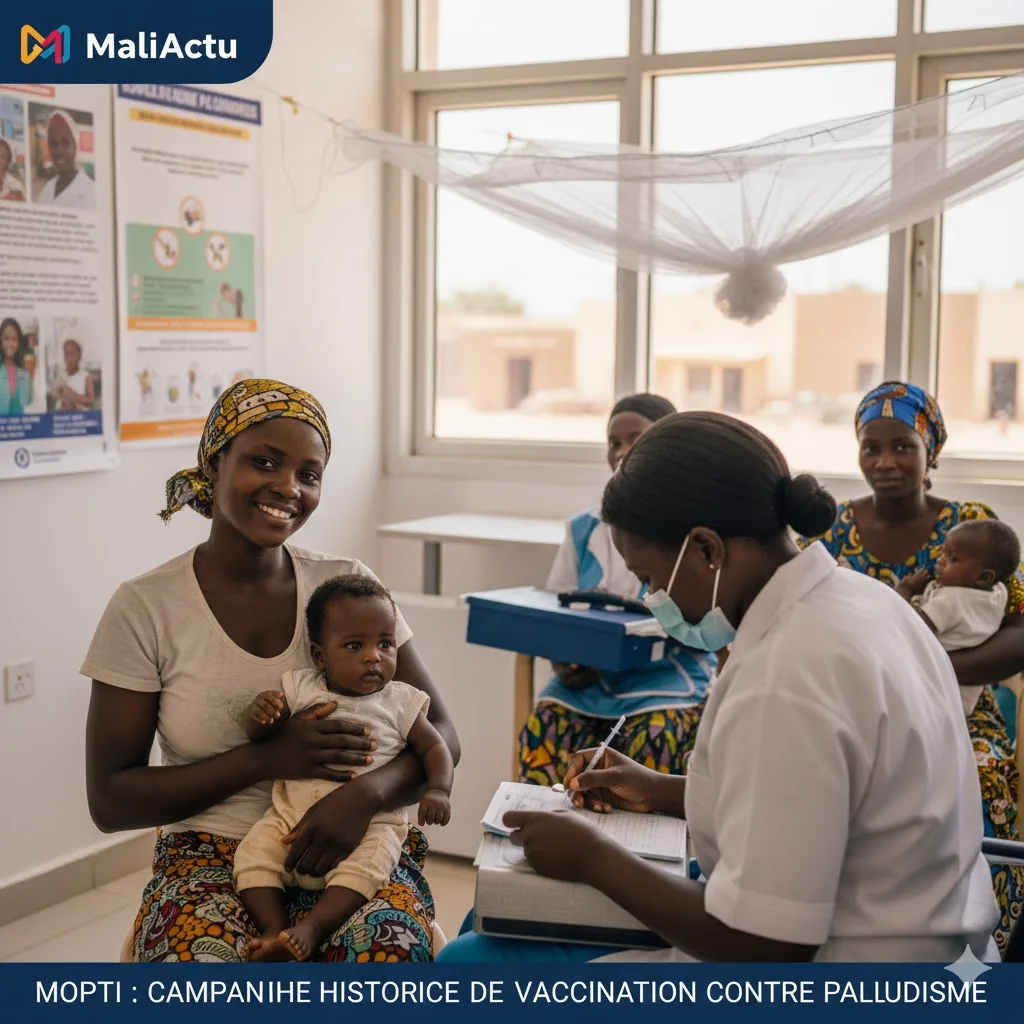

Malaria control in Mali has reached a transformative phase with the integration of the R21/Matrix-M vaccine, endorsed by the World Health Organization (WHO). In the regions of Kayes and Mopti, this cutting-edge immunization strategy—dubbed “hybrid”—is already shielding thousands of children from the deadly disease. Here’s a closer look at how this medical breakthrough is reshaping public health in West Africa.
The Mali government, in partnership with the WHO, Gavi, and UNICEF, has embedded the R21/Matrix-M vaccine into its Expanded Programme on Immunization (EPI). This initiative targets 19 high-risk districts across five regions, with Kayes and Mopti serving as the first battlegrounds for this innovative approach. By leveraging seasonal timing and age-specific dosing, Mali is setting a new standard in malaria prevention.
The hybrid strategy: a game-changer in malaria prevention
The “hybrid” approach adopted by Mali diverges from traditional vaccination methods. It merges two critical components to optimize protection:
- Age-targeted dosing: Ensures young children develop immunity early in life.
- Seasonal administration: Doses are administered just before the rainy season, when mosquito populations—and malaria transmission—peak.
This dual strategy maximizes the vaccine’s efficacy, bridging gaps in immunity during the most vulnerable periods.
Kayes and Mopti: frontline regions in Mali’s malaria fight
The selection of Kayes and Mopti as pilot zones wasn’t arbitrary. These regions, among the 19 prioritized districts, face intense malaria pressure, making them ideal testing grounds for the R21/Matrix-M vaccine’s real-world performance. Despite logistical hurdles in Mopti, seamless coordination between health services and partners ensured smooth distribution. Meanwhile, community engagement in Kayes has been pivotal in ensuring timely booster doses, critical for sustained protection.
A complementary shield, not a standalone solution
Health authorities are clear: the R21/Matrix-M vaccine is a powerful tool, but it doesn’t replace existing malaria control measures. For maximum effectiveness, it must be paired with proven strategies:
- Long-lasting insecticidal nets (LLINs): Essential for nighttime protection against mosquito bites.
- Seasonal Malaria Chemoprevention (SMC): Works in tandem with the vaccine to provide a layered defense during peak transmission months.
A milestone toward reducing child mortality
The ultimate goal of this vaccination drive is to slash malaria-related deaths among children under five—the age group most susceptible to severe infection. Success in Kayes and Mopti will pave the way for nationwide expansion, potentially transforming Mali into a model for malaria elimination in Africa.