Boureima Amadou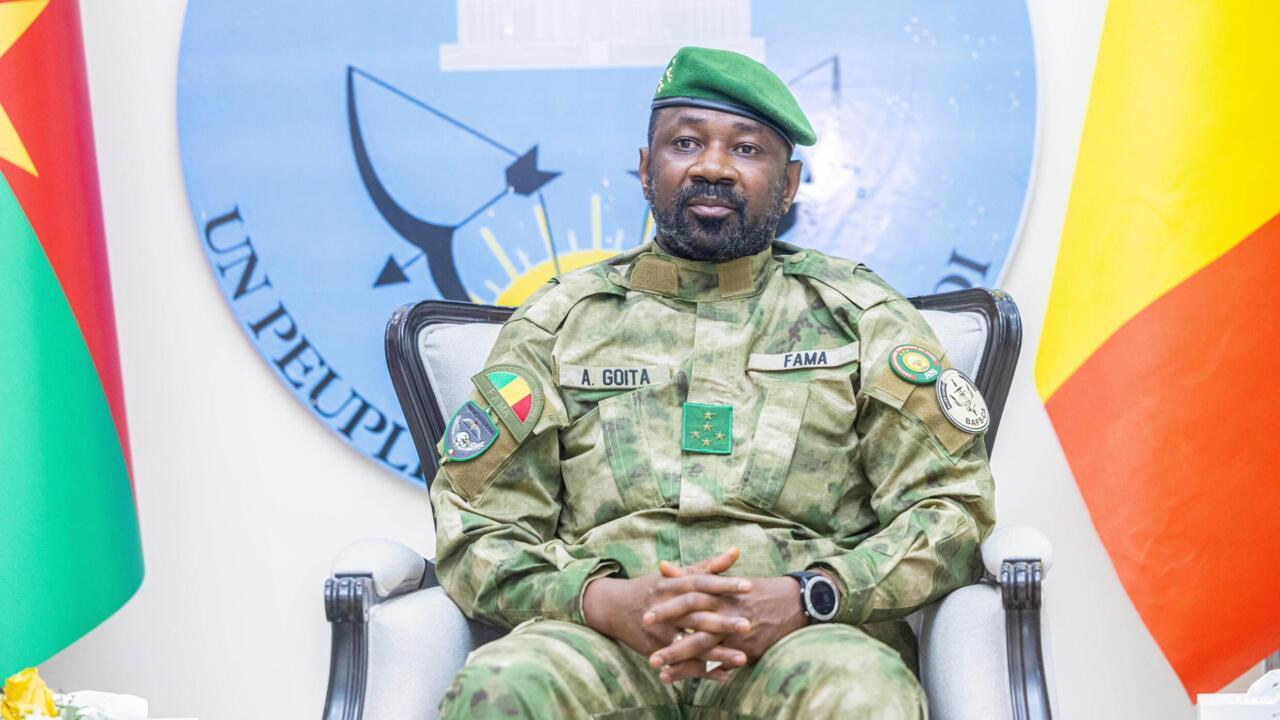
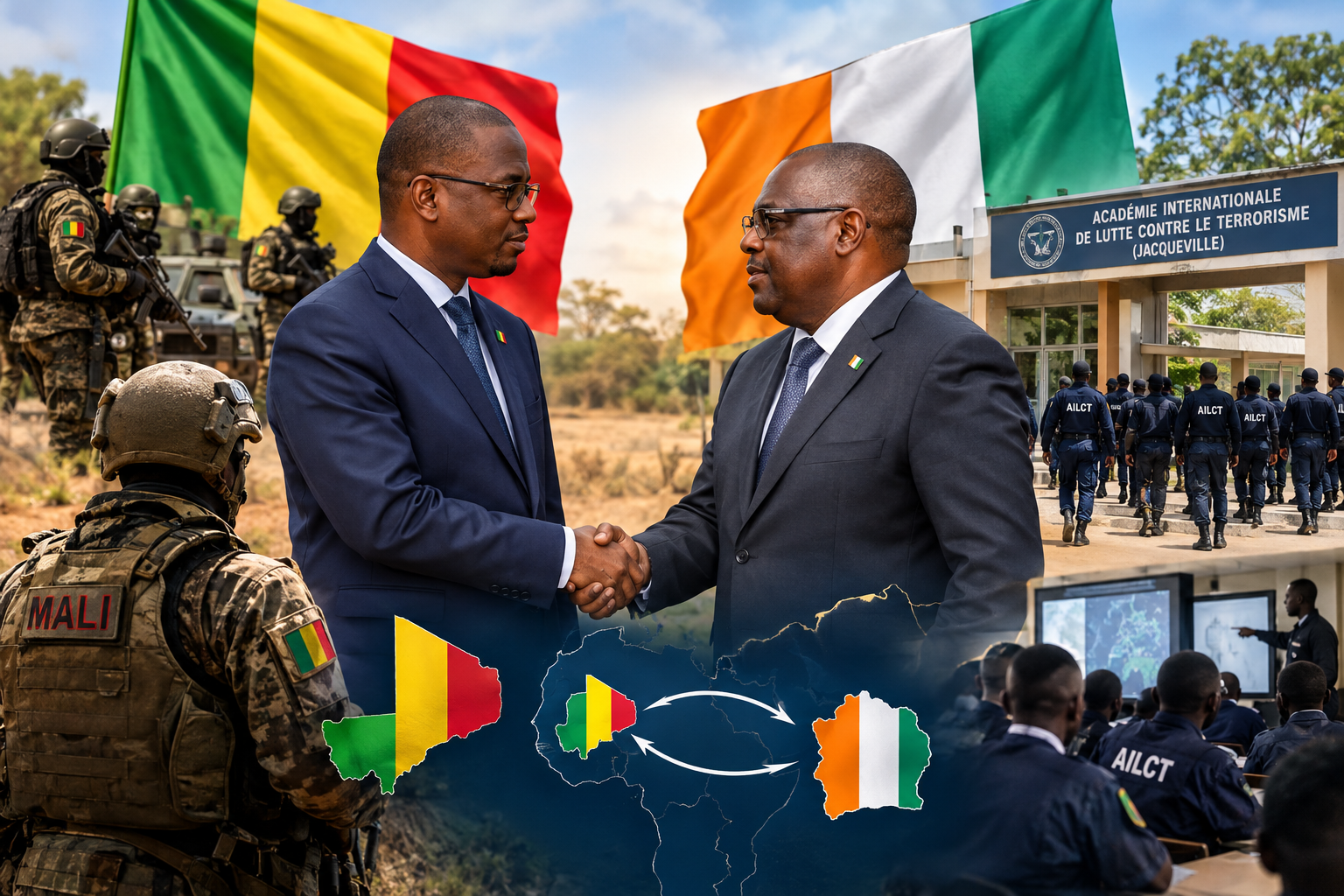
The resumption of diplomatic relations between Bamako and Algiers has sent ripples across the Sahel. After more than a year of escalating tensions, Mali and Algeria announced the restoration of ambassadorial ties and the reopening of shared airspace. The sudden thaw came as a surprise to many, with no prior signals indicating a potential resolution. Observers are now questioning the true drivers behind this détente—could it be the influence of Moscow, or perhaps the quiet mediation of Niamey?
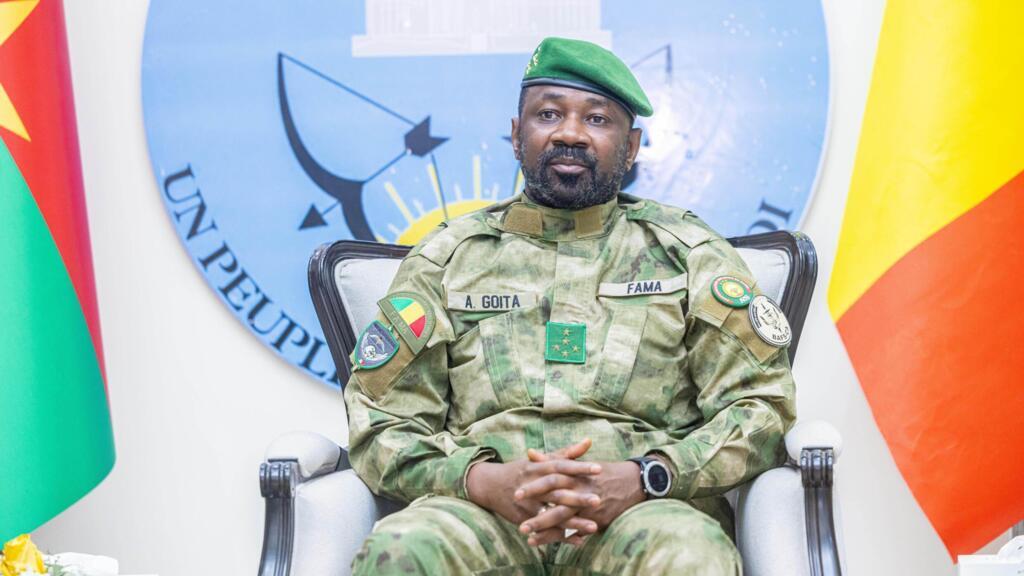
While speculation swirls about external actors, the role of Algeria’s southern neighbor appears pivotal. Niger, which itself recently mended fences with Algiers, has been quietly brokering discussions between the two capitals. The timing of Niamey’s rapprochement with Algiers in early 2025 aligns closely with the Mali-Algeria thaw. However, Moscow’s involvement seems less direct, despite potential backchannel communications between Algiers and the Kremlin.
Breaking the cycle of confrontation
Mali’s military leadership has long rejected dialogue with armed groups operating in the north, insisting on a purely military response. This stance broke from the 2015 Algiers Peace Accord, a deal negotiated with Algerian mediation that promised autonomy to northern regions. Now, with the diplomatic door reopening, could Bamako reconsider its hardline position?
Michaël Béchir Ayari, primary analyst on Algeria at the International Crisis Group and author of the upcoming report Algeria-Mali: Consolidating Détente, weighs in:
« Any lasting agreement must prioritize political logic over military force. That much is clear. A full return to the Algiers Accord seems unlikely, but a new political initiative—particularly concerning talks with the FLA—could emerge. The Malian state is fragmenting, and no party, including Algeria, stands to gain from Mali’s collapse.»
Ayari cautions that progress will be fragile. « Even if a deal exists, its enforcement depends on several factors: restored security coordination, intelligence sharing, and Algeria’s leverage over certain FLA factions. But obstacles remain—spoilers on the ground, public opposition, or resistance within Mali’s regime could derail the process. Still, the fact that both sides are stepping back from confrontation is a positive sign.»
Balancing act: Algeria’s delicate regional role
Algeria has long walked a tightrope in Mali, maintaining ties with both Bamako and armed groups to preserve its influence. Since the 1980s, Algiers has sought to balance relations, knowing that leaning too heavily on one side risks alienating the other—and potentially fueling separatist sentiments in its own southern regions.
The accusation that Algiers harbors leaders of the Jama’at Nusrat al-Islam wal Muslimin (JNIM)—an al-Qaeda affiliate—and the FLA is nothing new. « Algeria doesn’t directly support armed groups, but it tolerates certain activities to retain influence, » explains Ayari. « Their goal isn’t to destabilize Mali but to ensure their own security and prevent spillover.»
The presence of Mahmoud Dicko, the exiled Malian cleric advocating for the military regime’s downfall, adds another layer of tension. « If the détente holds, Dicko will likely stay quiet. Extradition isn’t on the table. But if the deal collapses, we’ll hear from him again,» Ayari predicts.
Regional fallout and unanswered questions
The recent Malian recognition of Morocco’s Western Sahara plan has further complicated Algeria’s stance. While Algiers hasn’t retaliated harshly, the move was « poorly received, » says Ayari. « Many assumed Morocco promised something in return, but it delivered little. Algiers won’t reverse its recognition of the Sahrawi Arab Democratic Republic, but its involvement in the dossier will remain minimal.»
Looking ahead, the durability of this thaw remains uncertain. « Joint communiqués don’t always translate to lasting change, » notes Ayari. « Setbacks are possible—a resurgent JNIM, internal Malian tensions, or unforeseen regional shifts could reignite hostilities. For now, both sides are testing the waters, and the next steps will reveal whether this détente is substantive or merely a fleeting diplomatic maneuver.»


 Mariama Hamani