Boureima Amadou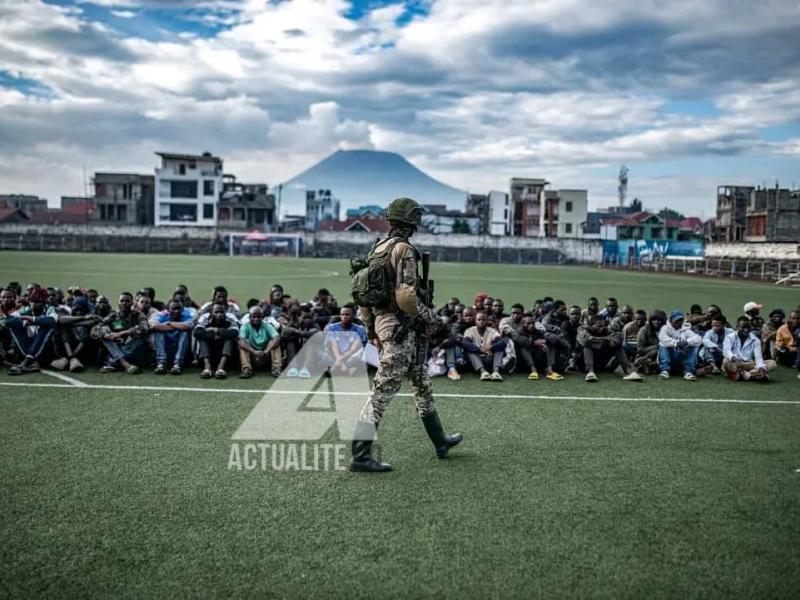
M23 resumes deadliest armed group role in eastern DRC, KST reports
The M23 rebel movement has reclaimed its position as the most lethal armed group in eastern Democratic Republic of Congo (DRC), according to the latest Kivu Security Tracker (KST) report released in June. The findings reveal that the group accounted for at least 114 civilian deaths and 17 abductions during the month—a stark increase from previous assessments.
Sharp rise in civilian casualties linked to new offensives
The surge in violence is directly tied to the M23’s renewed military campaigns in the Masisi and Rutshuru territories. Civilian communities accused of collaborating with rival armed factions, including the Wazalendo and the Democratic Forces for the Liberation of Rwanda (FDLR), have borne the brunt of these operations. In one of the most harrowing incidents, at least 48 bodies were recovered in the village of Bibwe, Masisi territory, following an M23 assault targeting FDLR positions. Witness accounts indicate that most victims perished from shrapnel wounds from artillery fire.
Expanding footprint and shifting violence dynamics
June saw a total of 115 armed clashes documented by KST, with the M23 initiating 46 of these engagements—representing 40% of all recorded incidents for the month. This escalation underscores the group’s growing operational capacity and determination to consolidate control over key strategic zones in eastern DRC.
The report also highlights a 19% decrease in overall security incidents across Ituri, North Kivu, and South Kivu provinces compared to May, with 247 incidents recorded in June versus 305 in the preceding month. However, this reduction masks a dangerous recomposition of violence, as the M23’s aggressive tactics have intensified local humanitarian crises.
Other armed groups adapt to shifting conflict landscape
While the M23’s offensive actions dominated headlines, other armed factions in the region adjusted their strategies in response to evolving circumstances. The Allied Democratic Forces (ADF) continued to perpetrate widespread abuses against civilians, accounting for at least 62 civilian deaths and 57 abductions in June alone. Notably, the ADF’s operational reach has expanded beyond its traditional strongholds in Beni and Butembo, extending into Haut-Uele province.
The Popular Revolution Convention (CRP) in Ituri demonstrated a temporary lull in activity following the declaration of a unilateral ceasefire in May. This pause appears aimed at facilitating potential negotiations with the Congolese government, mediated by Ugandan authorities. Meanwhile, the Cooperative for Development of Congo (CODECO) announced its transformation into a political-military movement, seeking greater political recognition and internal cohesion.
Image: Civilians detained by AFC/M23 rebels in Goma
The KST report serves as a critical barometer for tracking security trends in eastern DRC. Its findings underscore the urgent need for coordinated regional and international interventions to mitigate the humanitarian fallout of ongoing conflicts and protect vulnerable civilian populations.

 Mariama Hamani