Boureima Amadou
Unveiling Faso Mêbo: A Reconstruction Agency Under Scrutiny
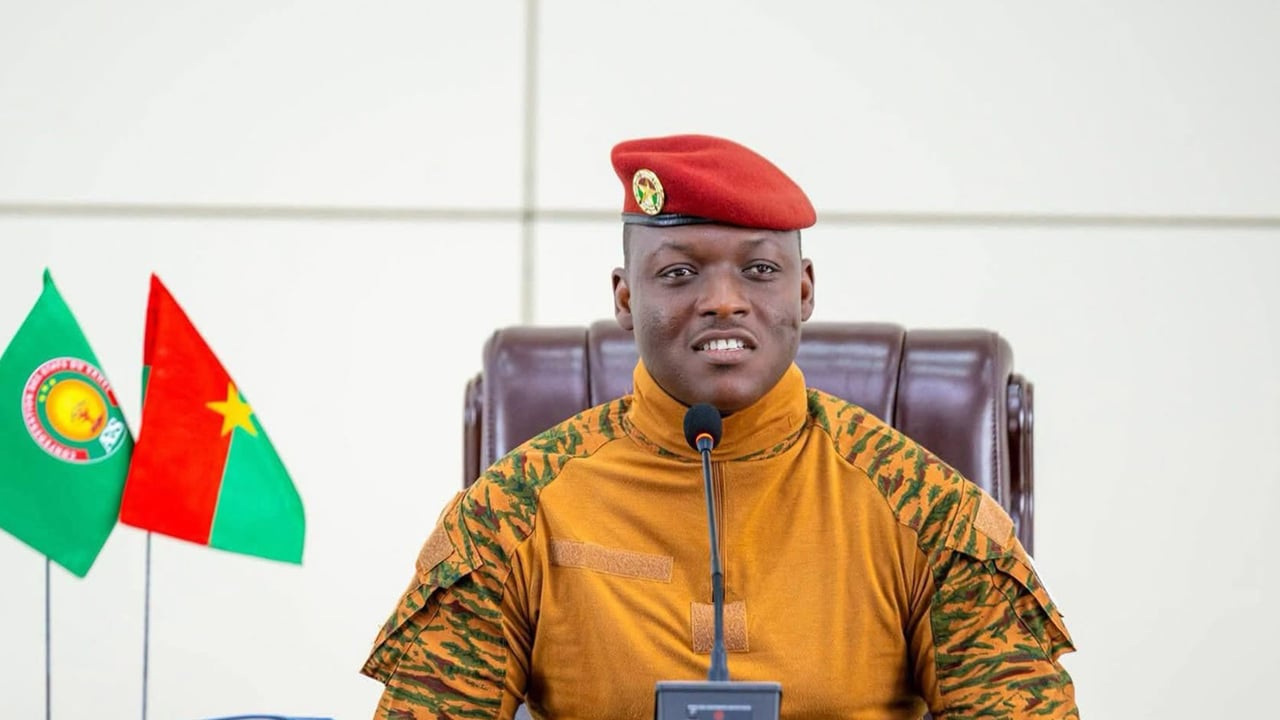
The Faso Mêbo agency, established under the leadership of Captain Ibrahim Traoré as a cornerstone of Burkina Faso’s transitional governance, has become a focal point of debate. While state communications emphasize national resilience and public engagement, concerns persist regarding the agency’s financial stewardship and the transparency of its operations.
The Illusion of Progress
Faso Mêbo’s portfolio includes high-profile infrastructure projects—paved roads, rehabilitated drainage systems, and urban redevelopments—particularly in Ouagadougou, Bobo-Dioulasso, and Koudougou. These initiatives, often framed as participatory national efforts, have bolstered the agency’s public image. Yet, economic analysts argue that the emphasis on visible outcomes may obscure deeper accountability issues.
« The labor-intensive nature of these projects belies their reported costs, » noted a Burkinabè economist. « The focus on tangible results diverts attention from the critical question: where do the mobilized funds truly go? »
Financial Anomalies and Lack of Oversight
Critics highlight Faso Mêbo’s opaque procurement processes, including allegations of non-competitive contract awards, inflated material costs, and poorly documented budget allocations. These irregularities, according to insiders, disproportionately benefit a narrow circle of officials and military figures.
The agency asserts that its operations adhere to strict financial controls, yet independent verification remains elusive. Independent auditors and civil society groups have repeatedly called for external oversight mechanisms to ensure public funds are used as intended.
A Climate of Suppression
The ability to scrutinize Faso Mêbo’s work is further constrained by a broader climate of intimidation. Journalists, activists, and legal professionals who have questioned the agency’s practices report facing threats, forced redeployments to conflict zones, or worse. Human rights organizations document cases of enforced disappearances and restrictions on civic freedoms, fostering an environment where dissent is perilous.
Patriotism vs. Accountability
Some analysts describe Faso Mêbo’s approach as « infrastructural populism »—a strategy that leverages tangible improvements to garner public support while sidelining governance concerns. While community-driven projects enjoy broad approval, detractors argue that national progress cannot be measured solely by visible development. Transparency and fiscal responsibility remain indispensable pillars of any credible reconstruction effort.

 theafricantribune