Boureima Amadou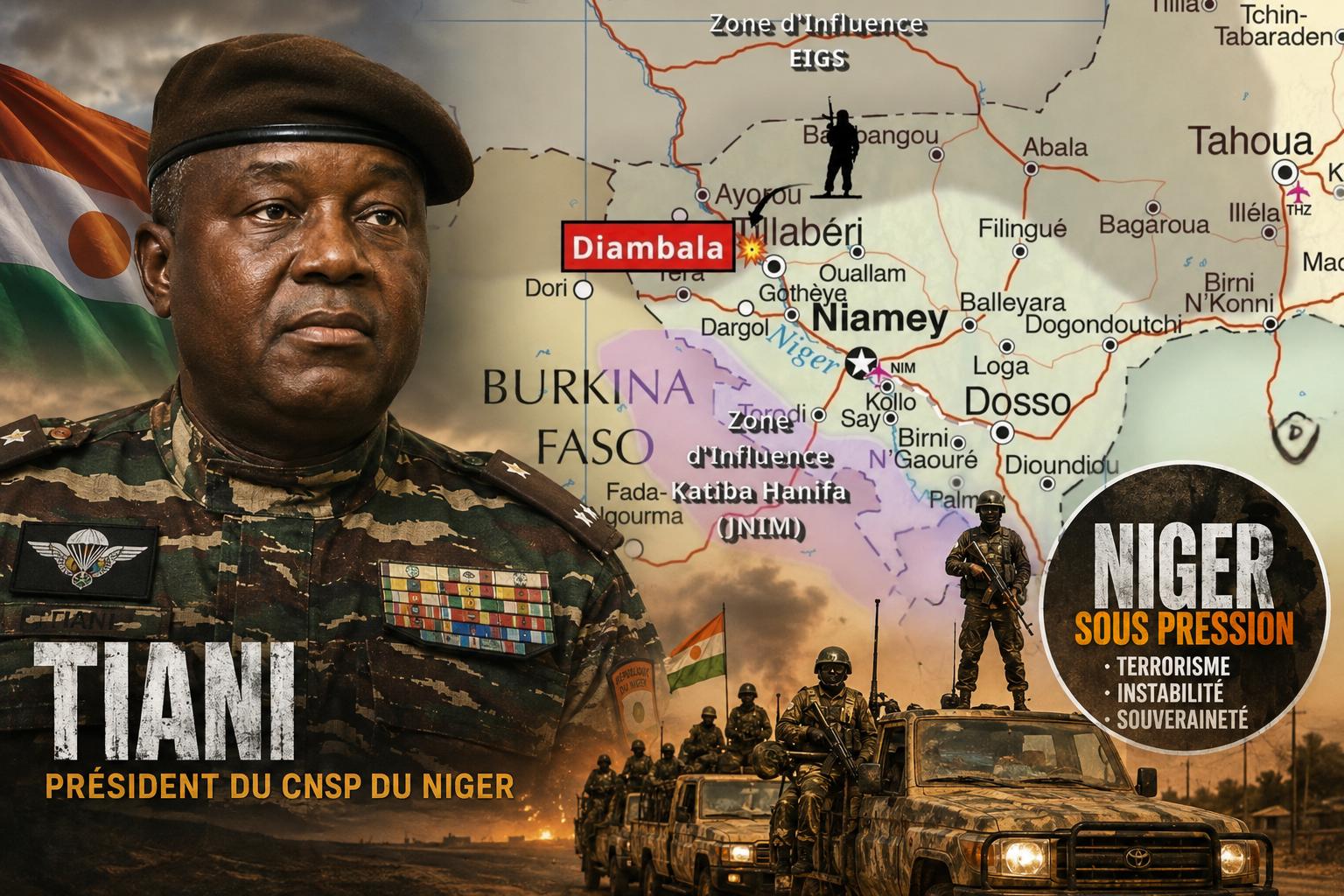
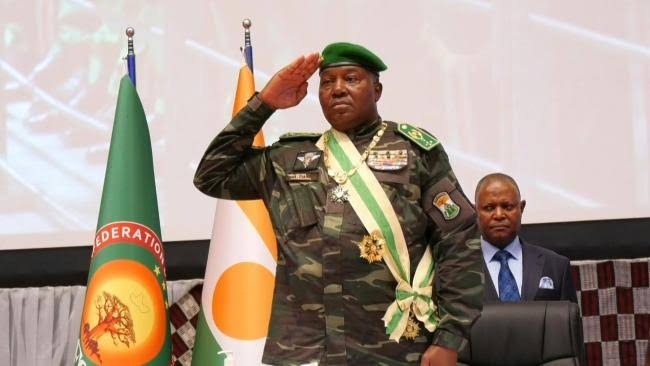
The security crisis in Niger remains highly critical in the western part of the country. While the military government increases its efforts to mobilize public backing for its leader, General Abdourahamane Tiani, fresh attacks in the Tillabéri region serve as a stark reminder of the relentless threat posed by armed groups.
On September 2, 2026, armed assailants targeted several villages within the Tillabéri department. Local reports indicate that the communities of Darbani, Diamballa, and Namarigoungou were hit during these coordinated raids.
In Diamballa, tragedy struck when two young girls drowned in a pond while desperately trying to escape the violence. Another resident sustained gunshot wounds. Meanwhile, in Namarigoungou, a man lost his life to the attackers. The armed group also plundered the three targeted villages, stealing a significant number of livestock.
The wave of violence continued the following day. On Thursday, September 3, another armed incursion occurred in Zibane, located in the rural commune of Anzourou within the Tillabéri department. Local self-defense militias engaged the attackers, resulting in at least one casualty among the militia forces, according to initial assessments.
A daily struggle under constant threat
These recent incidents highlight the deep vulnerability of a region that frequently faces incursions by armed elements. Situated in the volatile tri-border area connecting Niger, Mali, and Burkina Faso, Tillabéri remains one of the primary epicenters of instability in the country.
For rural populations, these recurrent assaults represent more than just an immediate danger to their lives. They severely disrupt agricultural and pastoral activities, force families to flee their homes, and further weaken communities already struggling with severe economic and social hardships. This ongoing instability raises critical questions about African governance and the ability of the state to protect its citizens outside major urban centers.
The junta mobilizes support for General Tiani
This grim security reality stands in sharp contrast to the government’s intense public relations campaign. In the wake of a recently reported failed coup attempt, the ruling authorities and their allies have launched major communication drives to build public support for General Abdourahamane Tiani.
Through organized rallies, messages of solidarity, and public appeals to stand behind the head of the regime, the government is actively seeking to solidify its political legitimacy and project an image of national unity.
However, the contrast remains striking. While official propaganda emphasizes national cohesion and unwavering support for the military leadership, the rural population of Tillabéri continues to live under the constant shadow of armed raids and fear.
Bridging the gap between political rhetoric and safety
Securing public allegiance has become a paramount objective for the administration in this tense political climate. Yet, for the vulnerable populations living in these high-risk areas, the most urgent demand is basic security: the freedom to move, farm, and raise livestock without the constant fear of being attacked.
The latest events in Tillabéri demonstrate that the fight against armed groups is far from over. Beyond the political staging and the calls to back General Tiani, the fundamental question remains: what concrete, long-term measures will the administration implement to protect those facing daily violence?

 Mariama Hamani