Mariama Hamani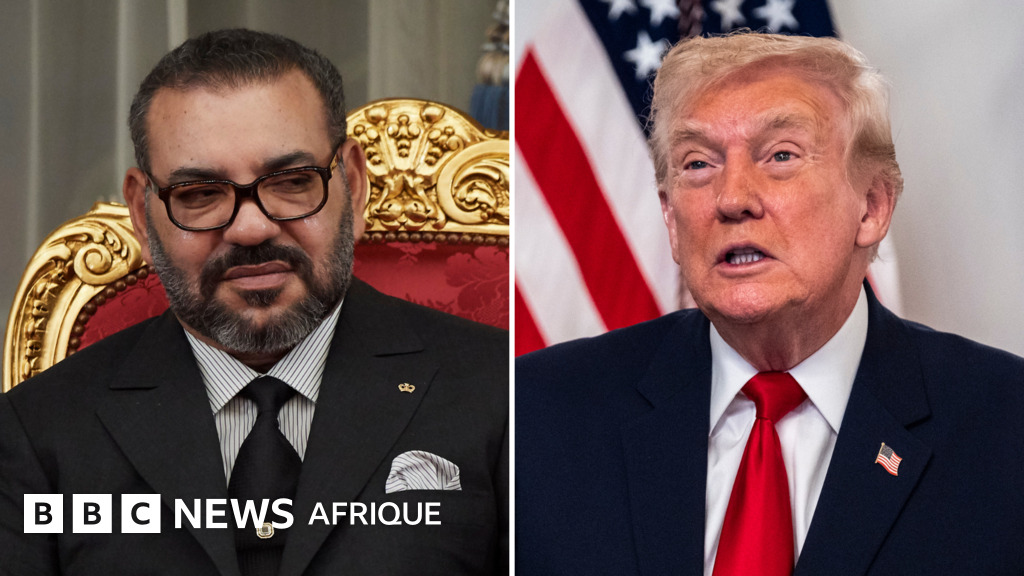
The enduring partnership between the United States and Morocco: a catalyst for stability in North Africa
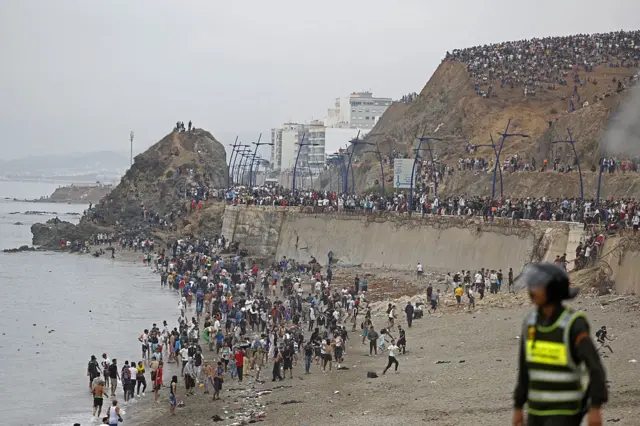
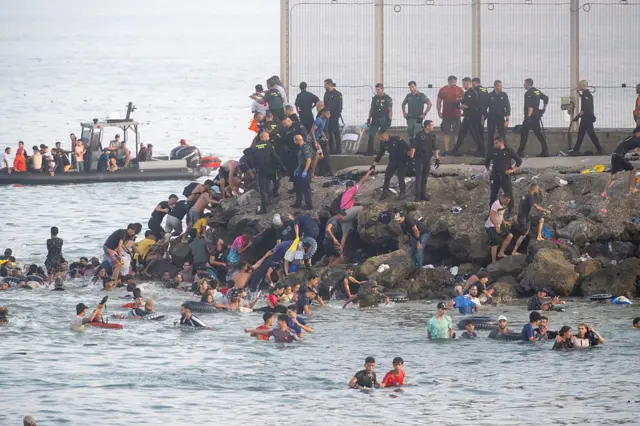
From a two-century-old friendship treaty to strategic military cooperation, the bond between Washington and Rabat has evolved into a cornerstone of North African security. This alliance has taken center stage in recent weeks following a mass migration surge toward the Spanish enclave of Ceuta, which claimed over 140 lives and strained relations between Morocco, Spain, and the United States.
Roots of a centuries-old relationship
The foundations of this alliance were laid long before the United States became a global power. In 1777, just one year after declaring independence from Britain, the newly formed American republic sought secure trade routes in the Mediterranean. Sultan Mohammed III of Morocco responded by granting U.S. ships unrestricted access to Moroccan ports—a decision later cemented in the Treaty of Peace and Friendship, signed in Marrakech in 1786.
This agreement, which remains in force today, is often cited as the U.S.’s oldest continuous treaty. “Morocco’s strategic location at the crossroads of Europe, Africa, and the Islamic world made it invaluable for America’s early diplomatic and commercial ambitions,” explains historian Timothy W. Kneeland of Nazareth College in New York. The treaty not only shielded American vessels from Barbary corsairs but also positioned Morocco as a gateway for U.S. trade expansion.
From colonial shadows to modern partnership
Despite Morocco’s 1912 division into French and Spanish protectorates, Washington maintained a cautious neutrality until recognizing the new colonial order. Full diplomatic relations resumed in 1956, immediately after Morocco’s independence, when the U.S. opened its embassy in Rabat within three months. This swift recognition underscored America’s commitment to supporting emerging African nations.
Military ties: a bulwark against extremism
The partnership deepened substantially after the September 11 attacks. In 2004, Morocco was designated a Major Non-NATO Ally by the U.S., granting it priority access to advanced military technology. This status reflected Rabat’s pivotal role in counterterrorism efforts across the Sahel and North Africa.
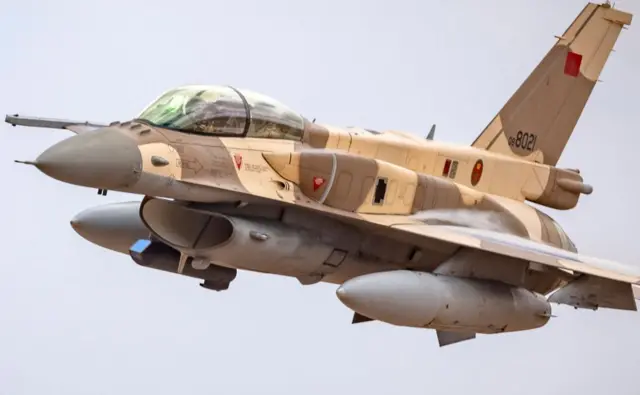
Morocco hosts African Lion, the U.S. Africa Command’s largest annual military exercise, and co-leads the Africa group within the global coalition against ISIS. Data from the Stockholm International Peace Research Institute reveals that between 2021 and 2025, the U.S. supplied 60% of Morocco’s major arms imports—far surpassing Israel (24%) and France (10%).
Economic and diplomatic leverage
The 2006 U.S.-Morocco Free Trade Agreement was a landmark for Africa, eliminating tariffs and fostering economic growth. By 2025, bilateral trade had surged to $7.4 billion—nearly eight times the $927 million recorded in 2005. While modest for the U.S., this growth positioned Morocco as a key trade partner in North Africa.
Diplomatically, the alliance reached its zenith in 2020 when the U.S. recognized Moroccan sovereignty over the Western Sahara—a move tied to the normalization of Morocco-Israel relations. The U.S. continues to advocate for Rabat’s autonomy plan as the sole viable solution to the conflict.
Ceuta’s crisis: a test of transatlantic loyalties
The sudden influx of over 70,000 migrants into Ceuta exposed fractures in the U.S.-Morocco-Spain triangle. While Spain accused Morocco of deliberately easing border controls, Washington’s response revealed its unwavering alignment with Rabat. “The Trump administration framed the crisis as a failure of Spanish immigration policy, not an act of Moroccan aggression,” notes policy analyst Sarah Yerkes.
This stance underscored the resilience of U.S.-Morocco ties, particularly amid Spain’s refusal to allow American military operations in Iran from its bases. The incident highlighted Morocco’s growing importance as a U.S. partner in regional security, especially as alternative logistics routes become critical.
In a symbolic gesture, King Mohammed VI renamed a 1,000-kilometer highway in the Western Sahara the Donald J. Trump Highway, honoring the U.S. president’s pivotal support for Morocco’s territorial claims.
The U.S.-Morocco alliance, forged over centuries, now stands as a linchpin of stability in North Africa—balancing security concerns, economic interests, and geopolitical strategy in an era of shifting alliances.

 Boureima Amadou